



Why Loving Your Plants Too Much Can Hurt Them
You see a wilting leaf and your first instinct is to water it. It’s a natural reaction, but often the wrong one. Overwatering is the number one cause of houseplant demise, and it all happens below the surface. Plant roots need to breathe; they require
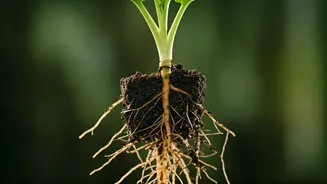
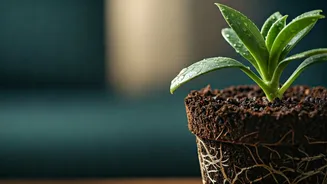
pockets of air in the soil to absorb oxygen. When soil is constantly waterlogged, those air pockets disappear, and the roots essentially suffocate. This oxygen-deprived environment becomes a breeding ground for fungi and bacteria, leading to a condition called root rot. Once the roots start to decay, they can no longer absorb the water and nutrients the plant needs to survive, which is why an overwatered plant can look wilted and thirsty, even when sitting in soggy soil.
The Telltale Signs of Overwatering
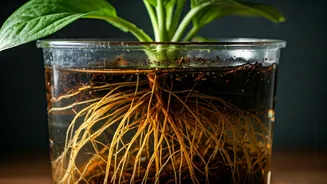
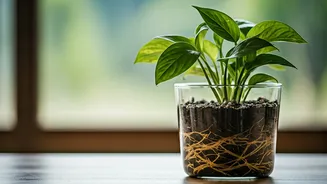
The symptoms of overwatering can be confusing because they sometimes mimic those of an underwatered plant. However, there are key differences. Look for leaves that are turning a soft, limp yellow all over the plant, not just the older ones at the bottom. The soil might also have a musty or sour smell, a clear sign of decay. You may notice fungus gnats buzzing around, as they are attracted to consistently damp soil. Other signals include mushy stems near the base, water-soaked spots or blisters on the leaves (oedema), and stunted growth. Healthy roots should be firm and white or light-coloured; rotten roots will be brown or black, soft, and mushy to the touch.
Ditch the Schedule, Check the Soil
The single most important habit for any plant parent is to stop watering on a fixed schedule. A plant's water needs change with the season, light, humidity, and pot size. The most reliable method is the finger test: stick your index finger about two inches into the soil. If the soil feels dry at that depth, it’s time to water. If it still feels moist, wait. For deeper pots, a simple wooden chopstick or skewer works like a cake tester. Push it towards the bottom of the pot, leave it for a minute, and pull it out. If it comes out clean and dry, it’s watering time. If it has damp soil stuck to it, hold off.
The Right Way to Water Your Plants
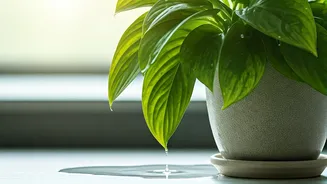
When you do water, do it thoroughly. Avoid giving small, frequent splashes, as this only moistens the top layer and encourages shallow root growth. The goal is to saturate the entire root ball. Pour water evenly over the soil surface until it begins to flow freely from the drainage holes at the bottom of the pot. This ensures all the roots get a drink and also helps flush out any mineral buildup from the soil. After a thorough watering, be sure to empty any excess water from the saucer or cache pot. Letting a plant sit in a pool of water is one of the fastest routes to root rot.
Emergency Care for a Drowning Plant
If you suspect you've already overwatered, don't panic. First, stop watering and move the plant to a spot with good air circulation and bright, indirect light to help the soil dry out. If the soil is completely saturated, you may need to take more drastic action. Gently remove the plant from its pot and inspect the roots. Using clean scissors, trim away any roots that are brown, black, and mushy. Prune off heavily yellowed or damaged leaves as well. It’s often best to repot the plant in fresh, dry, well-draining soil in a pot with adequate drainage holes. After repotting, wait a few days before watering again to let the roots recover from the shock.