


What Exactly Is Sourdough Discard?
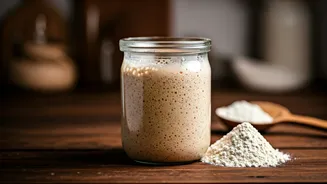
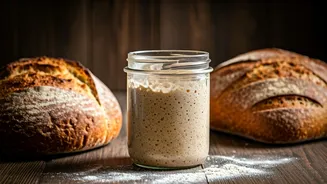
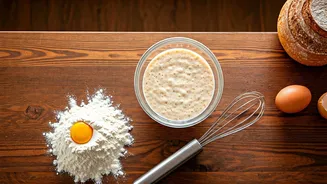
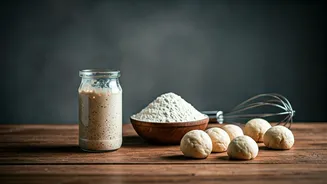
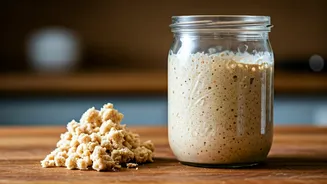
To understand the discard, you first have to understand the heart of sourdough: the starter. A starter is a living culture of wild yeast and beneficial bacteria, a bubbling mix of flour and water that needs to be fed regularly to stay healthy and active.
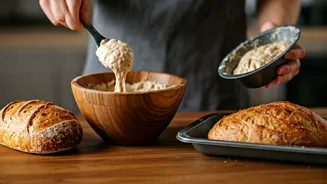
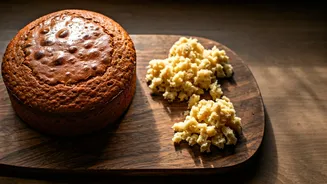
Before each feeding, a portion of the starter must be removed. This is done to keep the culture manageable—otherwise, you'd quickly have an unmanageable quantity—and to maintain the right balance of microorganisms for optimal flavour and leavening power in your bread. This removed portion is what's known as the 'discard'. The name is a misnomer, implying it's trash. In reality, it's a flavour-packed, fermented ingredient, just one that isn't active enough on its own to raise a loaf of bread.
From Kitchen Waste to Culinary Treasure
Tossing out flour and water every day, even in small amounts, can feel incredibly wasteful. For bakers who maintain their starter on the counter, this can add up quickly. This is where the zero-waste philosophy comes into play. Zero-waste cooking is a practice focused on minimizing or eliminating all food waste. It champions using every part of an ingredient, a principle that turns sourdough discard from a problem into a resource. Rather than seeing it as a byproduct to be thrown away, the trend reframes discard as a valuable, pre-fermented ingredient. This simple shift in perspective is a powerful act against food waste, which is a significant contributor to greenhouse gas emissions globally. By finding a use for discard, home bakers are making a small but meaningful contribution to a more sustainable food system.
A Universe of Flavourful Possibilities
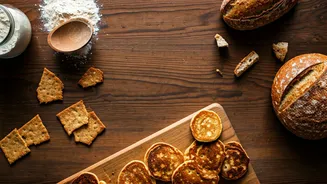
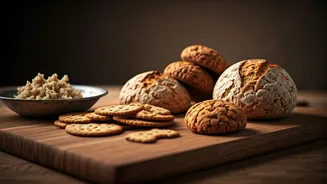
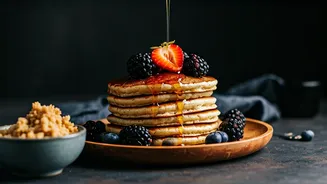
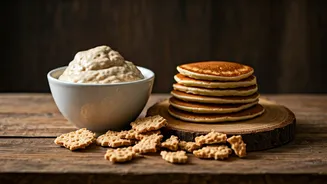
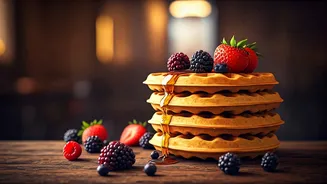
The beauty of sourdough discard lies in its versatility. Because it's not potent enough for leavening bread, it shines in recipes where it can add a tangy depth of flavour and a tender texture, usually with the help of a chemical leavener like baking soda. The possibilities are nearly endless. Think fluffy pancakes and waffles, where the discard's acidity creates an incredible texture and taste. It can be used to make crispy, addictive crackers with just a bit of olive oil and salt. Bakers are using it in muffins, quick breads, pizza dough, and even fresh pasta, adding a complex, slightly sour note that you can't get from any other ingredient. This is not just about avoiding waste; it's about creating food that is genuinely more delicious. The discard adds a layer of flavour that elevates simple recipes into something special.
More Than Just Saving Scraps
The sourdough discard trend embodies the core principles of the zero-waste movement, which is about more than just composting and recycling. It’s a mindset shift towards conscious consumption and resourcefulness. Using discard is a practical application of root-to-stem or nose-to-tail thinking, but for baking. It’s about valuing the entire process, not just the final loaf of bread. This practice also reconnects us with more traditional, resourceful ways of cooking, where nothing was wasted. Furthermore, baking with discard offers health benefits. The fermentation process makes the flour easier to digest and can lower the glycemic index of baked goods. It’s a holistic approach that benefits our kitchens, our bodies, and the planet.
The Rise of a Conscious Movement
It’s no surprise that this trend is gaining momentum now. In an era of increasing environmental awareness, people are actively seeking ways to live more sustainably. Using sourdough discard is an accessible, tangible action that anyone with a starter can take. It doesn't require a major lifestyle overhaul, just a bit of creativity in the kitchen. This trend is part of a larger cultural movement towards slow food, mindful consumption, and an appreciation for the craft of making things from scratch. It resists the convenience of industrial food systems and instead celebrates a collaborative process between the baker and a living culture. By turning discard into delicious food, bakers are not just reducing waste; they are participating in a quiet revolution, one pancake and cracker at a time.