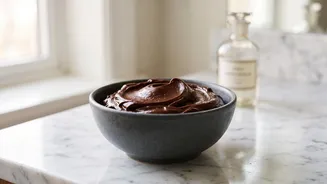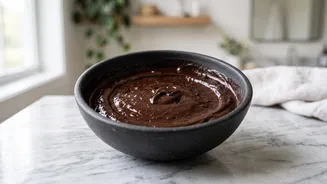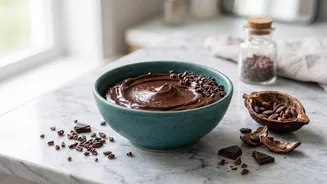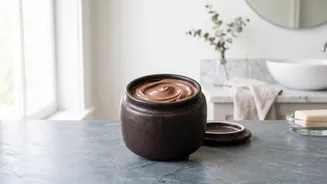



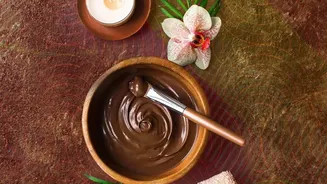

The idea of a chocolate face mask sounds like pure indulgence. It’s decadent, smells incredible, and feels like a spa day at home. But before you raid the pantry, what questions should you be asking about this viral DIY beauty treatment?
The Sweet Claims: What Are the Supposed Benefits?
The hype around
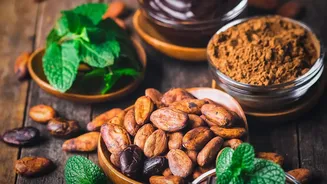
chocolate face masks centres on the core ingredient: cocoa. Cocoa powder is packed with antioxidants called flavonoids. These powerful compounds are known to be beneficial when consumed, helping protect cells from damage. When applied topically, proponents claim these antioxidants can help fight skin-damaging free radicals, reduce inflammation, and improve circulation for a healthy glow. Some also suggest that cocoa can boost collagen production, helping with skin firmness, and that its natural fats offer hydrating properties. Recipes often combine cocoa with other kitchen staples like honey, yoghurt, or coconut oil to enhance these effects.
The Expert Opinion: Does Science Back This Up?
Here's where things get complicated. Much of the scientific research on cocoa's skin benefits involves consuming it, not slathering it on. Studies have shown that ingesting high-flavanol cocoa can improve skin hydration, texture, and even offer some protection against UV light. There is evidence that the key antioxidants in cocoa, like catechin and epicatechin, can penetrate the outer layer of the skin when applied topically. However, dermatologists are skeptical about how much benefit you can get from a homemade mask. The concentration of active ingredients is unknown, and the particle size in pantry cocoa powder may be too large to be effectively absorbed by the skin. So while the ingredients have potential, a DIY concoction is not a scientifically formulated product.
The Sticky Truth: What Are the Potential Risks?
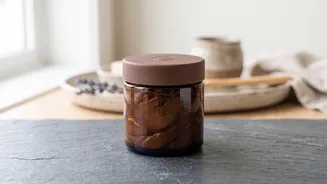
Just because an ingredient is 'natural' doesn't mean it's harmless for your skin. Depending on the recipe, a chocolate mask can do more harm than good. If you use chocolate bars or sweetened cocoa mix, the sugar and dairy can clog pores and lead to breakouts, especially for those with acne-prone skin. Even natural ingredients like coconut oil are known to be comedogenic, meaning they can clog pores. There's also the risk of allergic reactions or irritation. Furthermore, homemade masks lack preservatives, which means they can become a breeding ground for bacteria if not used immediately. Unlike professionally formulated products, DIY recipes are not tested for safety, stability, or the correct pH balance for your skin.
Not All Chocolate Is Created Equal
If you are curious and want to try a chocolate mask despite the risks, the type of chocolate you use matters immensely. Avoid milk chocolate or any pre-made chocolate syrup. These are high in sugar, dairy, and other additives that are not skin-friendly. If you're going to experiment, use pure, unsweetened cocoa powder or a very high-cacao dark chocolate (at least 70%). These have the highest concentration of the beneficial antioxidant compounds and the least amount of potentially pore-clogging sugar. Remember to do a patch test on a small area of your skin first to check for any adverse reactions before applying it to your entire face.
The Store_Bought Alternative:' A Safer Bet?
For those who want the benefits of cocoa without the risks of a kitchen experiment, the best option is to look for professionally formulated skincare products that contain cocoa extract. Cosmetic scientists formulate these products to ensure the active ingredients are stable, effective, and able to penetrate the skin. They are pH balanced, non comedogenic, and tested for safety and allergic potential. These products whether they are masks serums or moisturisers can deliver the antioxidant and anti inflammatory benefits of cocoa in a vehicle that is actually designed for your face providing a much more reliable and safer experience than a DIY mask.