




Decoding the 'Premium' Promise
The term 'premium' on a packet of millets can be confusing. Is it a rare variety? Is it organically grown? Or is it just a fancy package with a higher price tag? The truth is, 'premium' is often a marketing term rather than a standardised label. True
quality in millets, however, is determined by a few key factors: the variety of the millet, its processing method, its freshness, and whether it's certified organic. A premium experience comes from choosing a millet that is nutritionally dense and suits your health needs, not just from buying the most expensive packet.
Unpolished vs. Polished: The Critical Choice
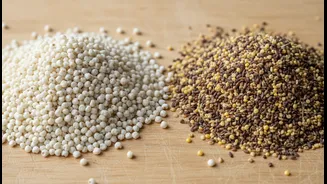
The single most important factor for nutritional value is whether the millet is unpolished or polished. Unpolished millets retain their outer bran layer, which is a powerhouse of dietary fibre, vitamins, and minerals. Polishing removes this layer to make the grain look smoother and whiter, but this process strips away a significant amount of its nutrients—up to 70% of its fibre, iron, and calcium. Unpolished millets have a lower glycemic index, which helps in managing blood sugar levels, aids digestion, and keeps you feeling full for longer. While polished millets cook faster, for genuine health benefits, unpolished is always the superior choice.
The Organic Question
Many 'premium' millets are marketed as organic. An authentic organic certification, like the FSSAI's 'Jaivik Bharat' logo, ensures the millet was grown without synthetic pesticides and fertilisers. Millets are naturally hardy crops that often require minimal chemical inputs, making them well-suited for organic farming. However, certification can be a difficult process for farmers. While a certified organic product offers peace of mind, its absence doesn't automatically mean the product is of low quality. Look for the official logo to be sure you're getting what you pay for. If it’s not certified, it’s worth buying from trusted vendors or local farmer cooperatives who can vouch for their farming practices.
Know Your Millet Variety
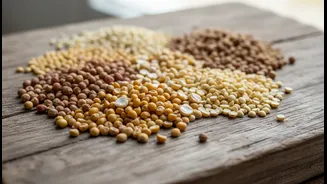
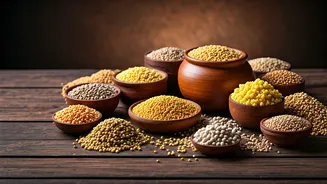
India is home to a wide range of millets, each with its own unique nutritional profile and taste. Understanding the basics can help you make a 'premium' choice for your specific needs. Finger Millet (Ragi) is packed with calcium, making it great for bone health. Foxtail Millet (Kangni) is rich in protein and smart carbs, while Pearl Millet (Bajra) is high in iron. Little Millet and Kodo Millet are high in fibre and help strengthen the nervous system. Instead of focusing on a generic 'premium' tag, choosing the right type of millet for your dietary goals is a smarter approach.
A Smart Shopper's Checklist
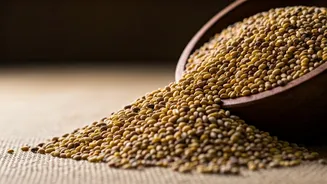
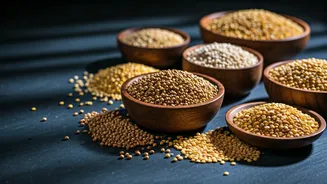
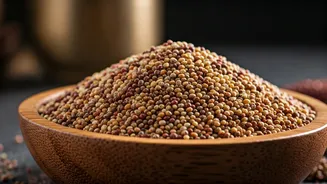
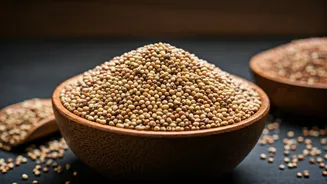
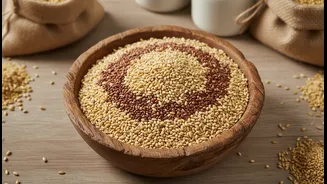
When you're at the store, ignore the marketing and become a label detective. First, check the processing: look for the word 'unpolished'. Unpolished millets have natural colour variations—like yellowish Foxtail or reddish-brown Kodo—unlike the uniform white of polished grains. Second, check the packaging date; fresher millets are better. They should be stored in airtight containers away from moisture. Third, ensure the packet is well-sealed and free of insects or debris. Finally, look for the FSSAI license number on the label, which is a basic mark of safety and compliance.