






From Empty Forests to New Hope
In the mid-2000s, a shocking reality sent waves of alarm through India’s conservation community. Sariska Tiger Reserve in Rajasthan and Panna Tiger Reserve in Madhya Pradesh were officially declared to have zero tigers. Decades of conservation work had
been undone by organised poaching, leaving behind ecologically incomplete forests. The challenge was immense: could a home be rebuilt for the national animal in a place that had lost it completely? The answer came through one of the most ambitious wildlife projects ever undertaken in the country—the reintroduction of tigers into these empty habitats.
The Science of Relocation
Bringing tigers back is not as simple as freeing them in a forest. It’s a painstaking scientific process. Beginning in 2008 for Sariska and 2009 for Panna, tigers were carefully selected from other reserves with healthy populations, like Ranthambore and Kanha. Each tiger was chosen for its genetic health and age, sedated, fitted with a satellite collar for monitoring, and transported hundreds of kilometres to its new home. The initial phase was fraught with tension; these were pioneers in an unfamiliar territory. Their survival depended entirely on whether the restored reserves could truly provide a safe and nurturing environment.
More Than Just Tigers: Restoring an Ecosystem
The core of this success story lies in a simple ecological truth: to save the predator, you must first save its prey. Before any tigers arrived, conservationists worked tirelessly to restore the reserves themselves. A primary focus was 'prey base augmentation'. This involved breeding herbivores like chital (spotted deer), sambar, and nilgai in enclosures and releasing them into the wild to build a robust food source. Ecologists estimate a single tiger needs a territory with around 500 prey animals to thrive. Simultaneously, habitat management was crucial. This included removing invasive plant species, developing grasslands to support herbivores, and creating and maintaining water sources to ensure year-round availability. The goal was to transform the reserves back into thriving ecosystems where a food chain could naturally re-establish itself.
Winning Over the Human Neighbours
A restored habitat is incomplete without the support of the people living around it. Human-wildlife conflict and poaching threats often have roots in local communities who feel alienated from conservation efforts. A key pillar of the reintroduction program was community partnership. Initiatives were launched to engage villagers, offering them alternative livelihoods and making them stakeholders in the tiger’s return. In some areas, local people were enlisted as 'Van Mitra' or 'friends of the forest', acting as the first line of defence and an invaluable intelligence network against potential threats. This built trust and created a social fence of protection around the reserves, a crucial element for long-term success.
The Ultimate Proof: Breeding Success
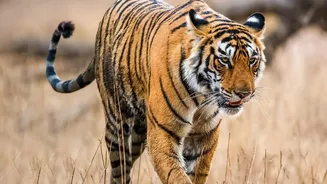
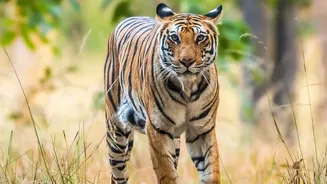
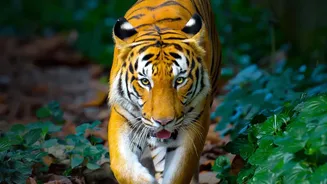
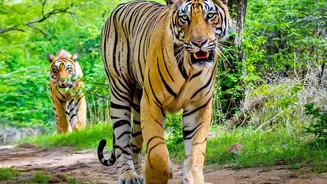
The ultimate test of a successful reintroduction is not just survival, but breeding. A thriving, secure environment is one where tigers feel safe enough to establish territories, mate, and raise cubs. The first signs of success were electrifying. When the first litter of cubs was spotted on camera traps in Panna a few years after reintroduction, it was celebrated as a monumental victory. It was proof that the ecosystem was healthy enough to support a new generation. Today, Panna’s population has soared from zero to over 70 tigers. Sariska, which also started from zero, now has a population of 30 tigers. These numbers represent more than just statistics; they represent a functioning, self-sustaining ecosystem brought back from the dead.