




First, Read the Light
Before buying a single plant, become a light expert—of your own balcony. The biggest mistake new plant parents make is choosing a plant that isn't suited to their available light. 'Direct light' means unfiltered sun rays are hitting the leaves, while
'indirect light' is diffused or reflected. A plant that needs full sun will fail in a shady corner, and a shade-lover will scorch on a sun-drenched ledge. Spend a day observing your space. Does it get intense, direct sun for several hours? Or is it mostly bright but shaded? This simple observation is the foundation of your future garden.
Matching Plants to Your Balcony
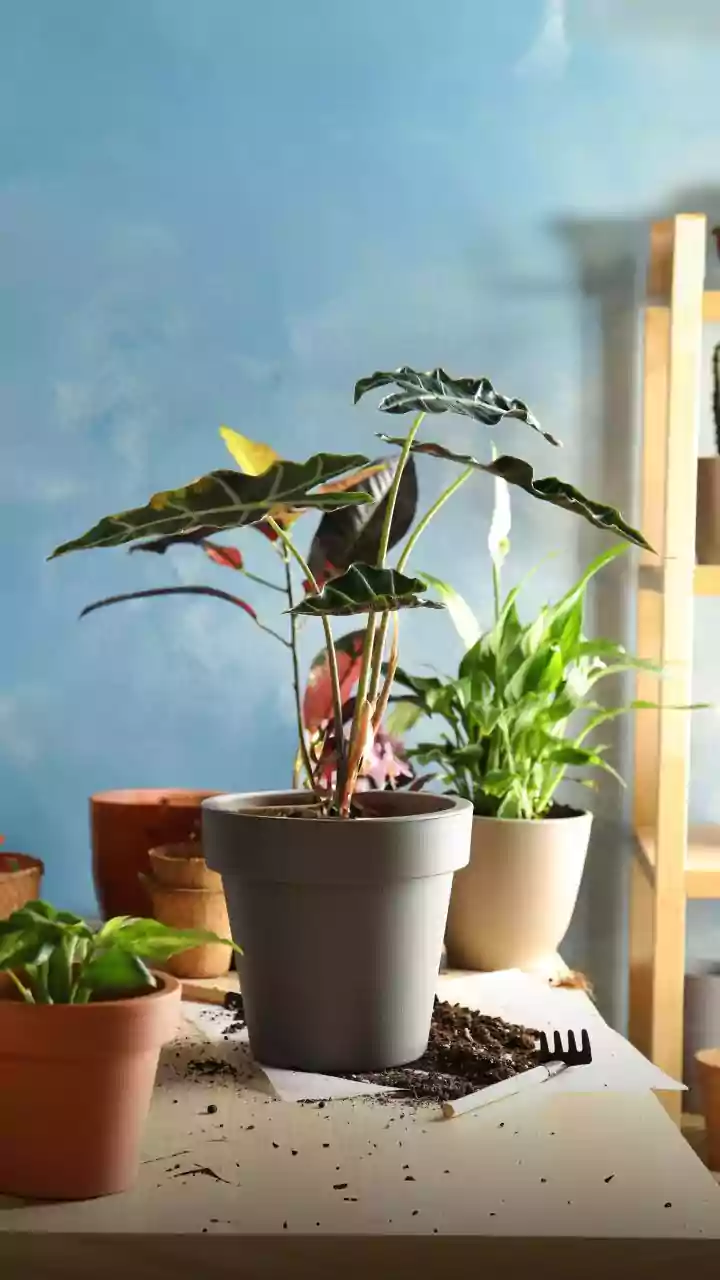
Now that you know your light, you can choose your green companions. For sunny, hot balconies that receive hours of direct light, consider hardy bloomers like Bougainvillea, Hibiscus, or Portulaca (Moss Rose). For balconies with bright, indirect light, options like Money Plants, Snake Plants, and Begonias are excellent choices. These plants are known for being relatively low-maintenance and are well-suited to container life in many Indian climates. Starting with the right plant in the right spot sets you up for an easy and rewarding experience.
The Golden Rule of Watering
Forget rigid schedules like 'water every two days'. The single most important skill to learn is how to check your soil for moisture. The 'finger dip test' is the easiest method: stick your index finger about two inches into the soil. If the soil feels dry at that depth, it's time to water. If it feels moist, wait. Overwatering is the most common cause of plant death because wet, soggy soil deprives roots of oxygen. Learning to read your soil's needs, rather than watering on a strict calendar, is the key to happy, healthy plants.
How and When to Water
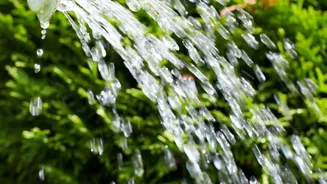
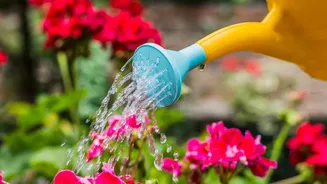
The best time to water your plants is in the early morning, between 6 a.m. and 10 a.m. This gives the plant a supply of water to face the heat of the day and allows the leaves to dry, which helps prevent fungal diseases. When you do water, do it thoroughly. Pour water slowly at the base of the plant until you see it running out of the drainage holes at the bottom of the pot. This ensures that the entire root system gets a drink, encouraging deep, strong root growth. A light sprinkle on the surface will only moisten the top layer, leaving the deeper roots thirsty.
Signs of Trouble: Overwatering vs. Underwatering
Confusingly, both overwatered and underwatered plants can look wilted and sad. So how do you tell the difference? Check the leaves and the soil. An overwatered plant often has yellowing leaves and feels soft or limp, and the soil will be consistently soggy. An underwatered plant's leaves will feel dry and brittle, and the soil will be bone-dry and may even pull away from the sides of the pot. The soil is your ultimate clue. Always check it before taking action to avoid making the wrong diagnosis.