

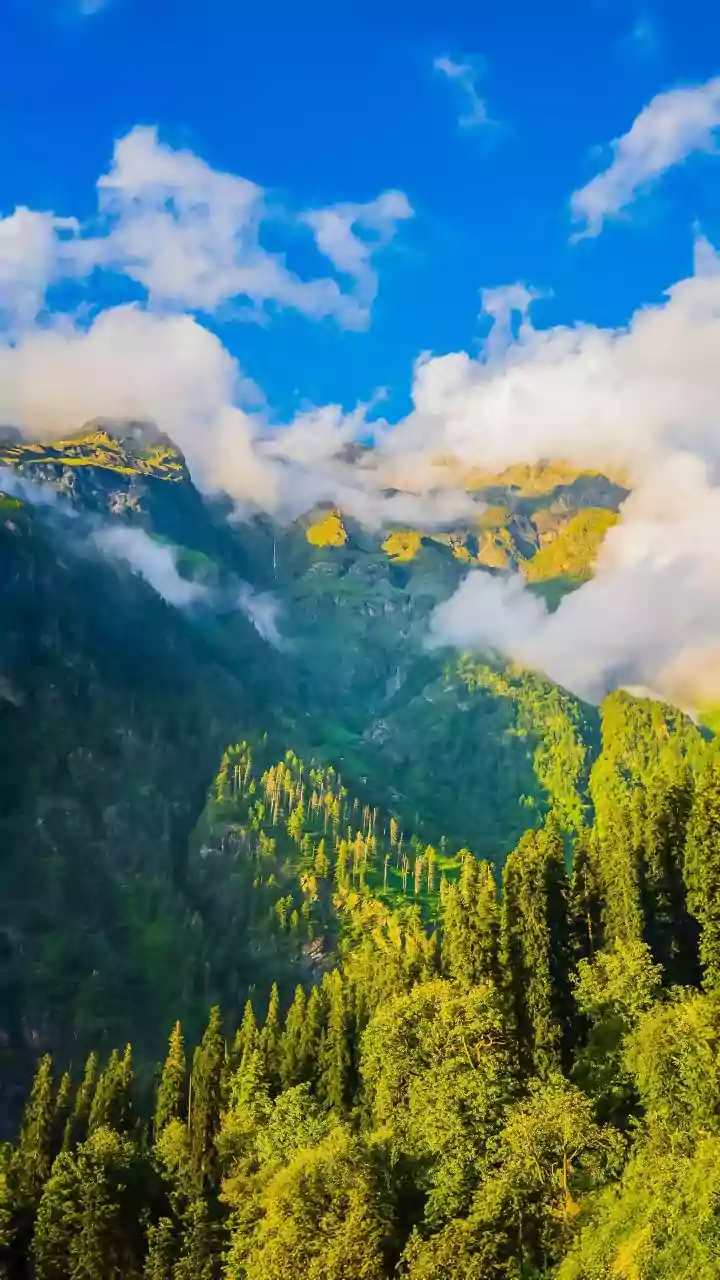





Why Autumn is the Perfect Season
The months of September to November are ideal for visiting Tirthan Valley. The monsoon has passed, leaving behind lush greenery, clear blue skies, and comfortable temperatures perfect for exploring. This post-monsoon period means fewer tourists, allowing
for a more peaceful and intimate experience with nature. The crisp air and the golden hue of the foliage create a picture-perfect setting for photography and quiet reflection by the riverside. It's a season of tranquility before the deep winter snows arrive.
Getting to This Himalayan Gem
Tirthan Valley is well-connected yet feels wonderfully remote. The most common route is a road trip from Delhi, which is approximately 500 kilometres and takes about 12-14 hours. The journey takes you via Chandigarh and Mandi. The crucial turn-off is at Aut, right before the main tunnel to Kullu; you must take the road towards Larji and Banjar instead of entering the tunnel. Alternatively, you can take an overnight Volvo bus from Delhi to Aut and hire a local taxi for the remaining 30-kilometre journey into the valley. For those preferring to fly, the nearest airport is Bhuntar (Kullu-Manali), about 48 kilometres away, from where taxis are available.
Choosing Your Offbeat Base
While Jibhi has gained popularity, the essence of an offbeat trip lies in exploring quieter villages. Consider staying in Gushaini, often called the gateway to the Great Himalayan National Park, which offers a mix of adventure and serenity. Other lesser-known hamlets like Nagini, Sharchi, and Pekhari provide an authentic Himachali experience away from the tourist trail. These villages are dotted with traditional homestays and lodges that offer stunning views and a chance to experience local life up close. For a truly secluded feel, look for stays in villages like Shoja, which offers panoramic Himalayan vistas.
Immersive Experiences Beyond Sightseeing
Tirthan's charm lies in its slow, immersive activities. Spend your days trout fishing in the crystal-clear Tirthan River; permits and gear can be easily arranged by local guesthouses. Take leisurely walks through dense pine forests to discover hidden waterfalls like the Chhoie Waterfall, a 45-minute hike from Nagini village. Explore the unique architecture of Chehni Kothi, a 1500-year-old tower built in the traditional Kathkuni style. Birdwatching is another rewarding activity, as the valley is a designated Important Bird Area. In the evenings, simply relax by a bonfire, listening to the sounds of the river.
Trekking in the Great Himalayan National Park
Tirthan Valley is the entry point to the Great Himalayan National Park (GHNP), a UNESCO World Heritage Site. For an offbeat adventure, you can embark on short treks into the park's eco-zone. A popular day hike is the trail to the GHNP gate, which is a gentle walk offering beautiful scenery. For any trek entering the core zone of the park, obtaining a permit from the forest office at Sai Ropa is mandatory, and hiring a registered local guide is required. These treks take you through pristine wilderness, offering a chance to witness the region's rich biodiversity firsthand.
Practical Tips for Your Trip
To make the most of your offbeat escape, a little preparation goes a long way. Carry enough cash, as ATMs in smaller villages like Gushaini and Banjar can be unreliable. Pack in layers; even in autumn, evenings can get quite cold, so warm jackets are essential. Sturdy walking shoes are a must for exploring the trails and villages. Most importantly, book your accommodation in advance, especially if you are aiming for popular homestays, to ensure you get the experience you are looking for.