





The New Consumption Heartland
The long-held image of non-metro India as a market exclusively for value-driven, mass-market products is rapidly becoming outdated. Today, the most exciting growth for premium brands—from high-end smartphones and electronics to designer apparel and gourmet
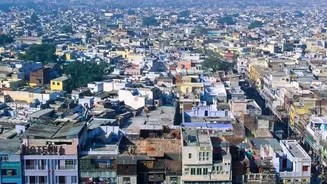
foods—is emerging from cities like Lucknow, Jaipur, Indore, and Guwahati. This is not just a fleeting trend but a structural change in India's economy. Reports from 2026 indicate that non-metro markets are expanding at twice the rate of metro cities in some e-commerce segments. Major online retailers now see over half of their luxury sales and customer base coming from beyond the major urban centres, signalling a fundamental realignment of the country's economic geography.
What's Fuelling the Premium Shift?
This boom is powered by a potent combination of rising incomes and unprecedented access. A significant expansion of India’s high- and middle-income brackets is underway. Projections for fiscal year 2026 show that households earning over ₹8 lakh annually now constitute a substantial portion of the population, with this segment expected to grow significantly by 2031. This growing affluence is no longer confined to the big cities. Simultaneously, the digital revolution has flattened the country. Thanks to high internet penetration and the reach of e-commerce platforms, a consumer in a smaller town now has the same access to global trends and products as someone in Mumbai or Delhi. Social media and online influencers, in particular, have become powerful discovery tools, creating aspirations and shaping purchase decisions in these new markets.
From Daily Goods to Luxury Buys
The demand for premium products spans a wide array of categories. The trend of 'premiumization' is visible even in fast moving consumer goods (FMCG), where consumers are upgrading to higher quality, branded products. But the appetite extends far beyond daily necessities. There is a marked increase in demand for high value items like premium home appliances, AI powered smart devices, and flagship smartphones. In fashion, consumers are seeking out global styles and are willing to pay more for quality, durability, and brand credibility. Even the market for imported and gourmet foods is expanding beyond metros, driven by exposure to international cuisines through travel and digital content. These are often thoughtful, well researched purchases, frequently tied to milestones like weddings or festivals, rather than impulse buys.
How Brands Are Responding
Companies that once focused their strategies exclusively on metropolitan hubs are now recalibrating. Recognizing the immense potential, brands are increasing their marketing spends in Tier -2 and Tier -3 cities, with some allocating 30 -45% of their budgets to these regions. The strategy is not just about distribution; it's about connection. Successful brands are using localized marketing, regional influencers, and vernacular content to build trust and relatability. While e -commerce provides the crucial access, many are also investing in physical retail stores in these cities. These stores serve as 'validation hubs' where customers can experience the product firsthand, bridging the gap between online discovery and offline purchase. The most effective approaches combine digital engagement with a deep understanding of local culture and purchasing habits.