


A Taste of Tradition
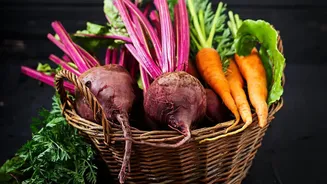
Kanji is a traditional fermented beverage originating from North India, particularly states like Punjab and Uttar Pradesh. At its core, it's a simple concoction of water, black carrots, and coarsely ground mustard seeds, with salt and sometimes chilli
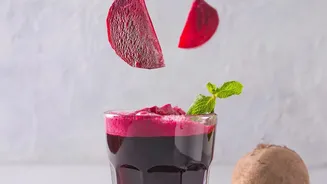
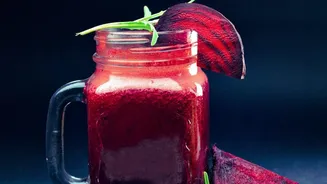
powder for flavour. When black carrots aren't in season, beetroot is often used, giving the drink its signature vibrant purple or deep red hue. The mixture is traditionally placed in a glass or ceramic jar and left to ferment in the sun for several days. This natural process gives Kanji its distinct tangy, sour, and slightly pungent taste, which many describe as an acquired but rewarding flavour. For generations, it has been a household staple, especially during the winter months and the festival of Holi.
The Gut Health Connection
The resurgence of Kanji is intrinsically linked to the growing global conversation around gut health and probiotics. The fermentation process is what turns this simple drink into a nutritional powerhouse. It encourages the growth of beneficial bacteria, making Kanji a natural probiotic that aids digestion and helps maintain a healthy gut microbiome. A healthy gut is linked to a stronger immune system, as a significant portion of the body's immune cells are located in the digestive tract. Beyond probiotics, the drink is also a source of antioxidants, particularly anthocyanins from the black carrots, which help fight oxidative stress. It is low in calories and believed to support detoxification and weight management.
From Household Staple to Urban Elixir
So, why is this age-old drink suddenly trending in India's cities? The answer lies in a broader cultural shift towards wellness and a renewed appreciation for traditional wisdom. As consumers become more health-conscious, they are moving away from sugary, carbonated beverages and seeking out functional drinks that offer tangible benefits. The Indian probiotic drinks market is expanding rapidly, with a projected compound annual growth rate (CAGR) of over 16% between 2026 and 2034. Kanji fits perfectly into this trend. It's natural, plant-based, and rooted in Indian heritage, appealing to a modern desire for authenticity. This revival is sometimes called the "Turmeric Latte Syndrome," where traditional recipes gain new prestige as they are embraced by contemporary wellness culture.
Kanji in the Modern Marketplace
Before the recent trend, many Indians were already consuming probiotics through homemade drinks like chaas (buttermilk) or Kanji without labelling it as such. Now, this humble homemade drink is going mainstream. Once confined to home kitchens and seasonal festivals, Kanji is appearing on the menus of trendy cafes and restaurants in cities like Delhi-NCR. Some entrepreneurs are even bottling and selling it, making the traditional beverage accessible to a wider urban audience in a convenient, ready-to-drink format. While commercially produced kombucha has dominated the probiotic drink space, the comeback of regional staples like Kanji signals a deeper movement—a return to balance and a rediscovery of the wellness practices embedded in India's own culinary heritage.