





A New Chapter for a 200-Year-Old Party
Every September, Munich hosts the world's largest folk festival, a 16-day spectacle of Bavarian culture that draws over six million people. The 191st Oktoberfest, running from September 19th to October 4th, 2026, continues a tradition that began as a royal
wedding in 1810. But this year, a remarkable travel trend is reshaping the festival's international character. According to travel intelligence from Amadeus, air bookings from India to Munich for the festival period have surged by nearly 60% compared to the previous year. This makes India the fastest-growing major market for the event, outpacing even other rising countries like Japan and Canada.
Why the Sudden Oktoberfest Craze?
The boom in Indian visitors is part of a broader shift in travel preferences. Indian globetrotters are increasingly seeking immersive, experience-rich holidays over conventional sightseeing tours. Oktoberfest fits this mould perfectly. It’s a single, vibrant event in one city, making it an easy-to-plan, high-impact European trip that requires just one Schengen visa. Travel data reveals two main types of Indian attendees: younger, Gen Z travellers on short, spontaneous trips focused on the festival's energy, and millennials who integrate the festival into a larger European tour of cities like Prague, Vienna, and Budapest. This trend also reflects a rise in solo travel, which accounts for 47% of all international air bookings for the festival.
A First-Timer’s Guide for Indian Visitors
Planning is crucial. Flights and hotels should be booked months in advance, as prices in Munich can double or triple during the festival. Direct and one-stop flights are available from major hubs like Delhi and Mumbai. Indian passport holders must secure a Schengen visa, and it's wise to apply well ahead of time as processing slows during peak season. Entry to the festival grounds and most tents is free. The real cost lies in food, drink, and accommodation, with a daily budget of €80 to €150 per person being a realistic estimate for a good experience. While many assume you need a ticket, what you really might want is a table reservation, which are booked months in advance. However, a large portion of seats are kept for walk-ins, especially on weekday mornings.
Beyond the Beer: Food and Festivities
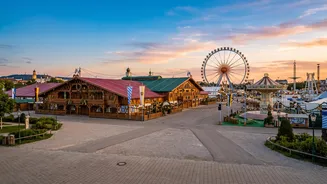
While Oktoberfest is famous for its beer—served only by six traditional Munich breweries—and meat dishes, vegetarians will not go hungry. In recent years, every major tent has started offering substantial vegetarian and even vegan options. Look for Bavarian classics like Käsespätzle (cheese noodles akin to mac and cheese), giant pretzels (Wiesn Brezn), potato dumplings, and sauerkraut strudel. The festival is much more than its beer tents. The grounds, known as the Theresienwiese or "Wiesn," feature a massive funfair with roller coasters and Ferris wheels, colourful parades, and open-air concerts where all the tent bands play together. The opening weekend includes a grand parade of landlords and brewers, while the first Sunday features a traditional costume and riflemen's parade.
Essential Etiquette and Pro Tips
To blend in, embrace the atmosphere. While optional, many attendees wear traditional attire—dirndls for women and lederhosen for men. Carry cash (Euros), as many stalls and even some tents prefer it. Remember that Oktoberfest beer is stronger than typical lagers, often around 6% ABV, so pacing yourself is key. A few rules are strictly enforced: bags are limited to a small size (under 3 litres), and attempting to take one of the heavy one-litre beer mugs (a 'Maß') will result in a fine. Finally, don't be shy. The spirit of 'Gemütlichkeit'—a German concept of warmth, friendliness, and good cheer—is all about sharing tables with strangers and singing along, even if you don't know the words.