



The Protein Puzzle in Plants
Protein is a vital macronutrient, essential for everything from muscle repair to hormone production. Proteins are made of building blocks called amino acids. Our bodies need 20 different amino acids, nine of which are called "essential" because we must
get them from food. Animal-based foods like meat, eggs, and dairy typically contain all nine essential amino acids in the right proportions, earning them the label "complete proteins." Most plant-based foods, however, are considered "incomplete." This doesn't mean they are bad protein sources; it simply means that most are low in one or more of the essential amino acids. For a vegetarian diet to be truly effective, it's important to ensure all essential amino acids are consumed.
The Science of Synergy
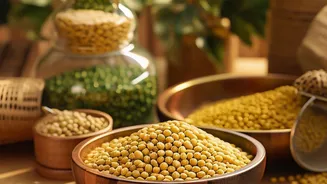
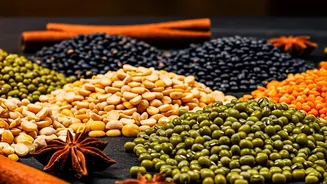
This is where the magic of combining foods comes in. The concept is called protein complementation. Think of it like two friends helping each other out. Cereals like rice and wheat are generally low in the essential amino acid lysine but have adequate amounts of methionine and cysteine. Pulses, which include all our dals, chickpeas, and beans, have the opposite profile: they are rich in lysine but low in methionine and cysteine. When you eat them together, their amino acid profiles complement each other. The lysine from the dal fills the gap in the rice, and the methionine from the rice fills the gap in the dal. This combination creates a meal with a complete amino acid profile, making the protein quality comparable to that of animal sources.
Classic Indian Pairings
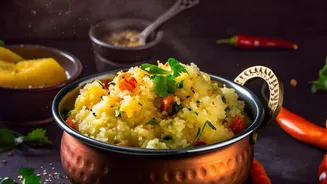
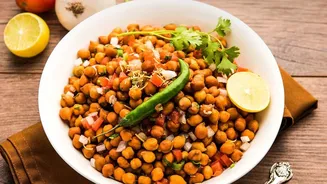
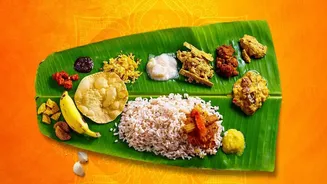
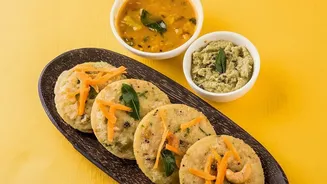
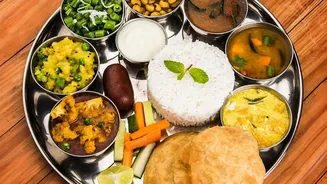
The wisdom of this nutritional strategy is deeply embedded in traditional Indian cuisine. You've likely been practicing protein complementation your entire life without even knowing it. The most classic example is dal and rice (dal chawal). This simple, comforting meal is a nutritional powerhouse because of this synergy. The same principle applies to dal and roti, where the wheat in the roti complements the lentils in the dal. Other beloved combinations across the country also follow this rule, including idli or dosa (made from rice and urad dal) served with sambar (made with toor dal), and khichdi, the ultimate one-pot meal of rice and moong dal. Even rajma chawal and chole bhature are perfect examples of pairing a legume with a cereal to create a high-quality protein meal.
Perfecting Your Protein Plan
You don't need to be overly scientific or precise with your combinations. For a long time, it was believed that complementary proteins had to be eaten in the same meal to be effective. However, modern nutritional science suggests that as long as you consume a variety of plant protein sources throughout the day, your body can store and combine the amino acids as needed. So, if you have dal for lunch and roti for dinner, you're still getting the benefit. The key is variety. Including a mix of different dals, beans, whole grains like wheat, rice, bajra, and jowar, as well as nuts and seeds, ensures your body gets the full spectrum of essential amino acids it needs to thrive. This approach makes a vegetarian Indian diet not just sustainable, but exceptionally nutritious.