




The First Line of Defence: Two Pilots
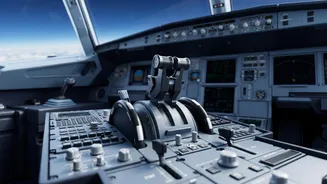
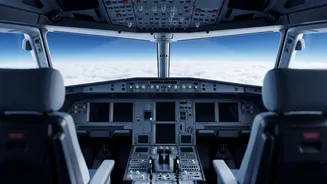
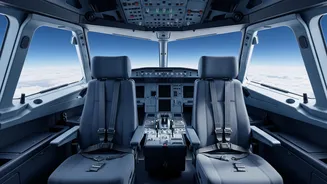
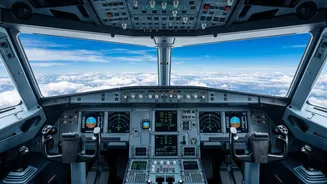
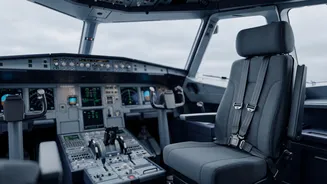
Every commercial flight operates with at least two pilots: a Captain and a First Officer. Both are fully qualified to fly the aircraft from takeoff to landing. They typically share flying duties, with one managing the controls (the 'pilot flying') and the other
handling communications, navigation, and monitoring systems (the 'pilot monitoring'). This two-person system is the first and most critical layer of safety. If one pilot becomes incapacitated, the other is trained and prepared to take full command of the aircraft, declare an emergency, and land at the nearest suitable airport. Pilot incapacitation drills are a regular part of mandatory simulator training.
Official vs. Unofficial Backups
The term 'backup pilot' can mean a few different things. On ultra-long-haul flights (often those exceeding 8-12 hours), airlines schedule additional pilots, known as 'relief pilots'. These are part of the official crew, and they take turns at the controls to allow the primary pilots to get mandated rest, ensuring everyone is alert for critical phases like landing. Then there's the unofficial backup: a 'deadheading' pilot. This is an airline employee, in uniform, who is flying as a passenger to get into position for their next flight assignment. While not part of the active crew, these pilots are a valuable resource who may be called upon in an emergency.
The Call for Help
If a pilot becomes unwell, the remaining pilot's first job is to stabilise the aircraft and communicate the situation to Air Traffic Control (ATC). The next step is to call for assistance from the cabin crew. The Purser or lead flight attendant will come to the cockpit. Their first task is to provide medical aid to the incapacitated pilot and, if necessary, remove them from their seat so they don't interfere with the flight controls. The remaining pilot, now managing a huge workload, may then ask the cabin crew to check if there is a qualified pilot among the passengers. This is when a deadheading pilot can prove invaluable.
More Than Just Flying the Plane
The role of a responding deadhead pilot isn't always to take the controls, especially if they aren't certified for that specific aircraft type. The remaining pilot is already flying the plane. Instead, the assisting pilot provides crucial support by helping manage the immense workload. They can handle radio communications, run through checklists, and act as a second set of eyes and ears for the pilot in command. This frees up the flying pilot to focus on the most critical tasks of navigation and landing. There have been several real-world incidents where deadheading pilots have stepped in to assist, helping to land the aircraft safely without further incident.
The Unsung Heroes: Cabin Crew
It’s vital not to overlook the role of the cabin crew in these emergencies. They are highly trained first responders. Their training goes far beyond customer service; it includes medical aid, coordinating with medical professionals who may be on board, and securing the cockpit. In the event of an incapacitation, they are the first to provide care, using onboard medical kits and an AED (automated external defibrillator). In some procedures, if no other pilot is available, a flight attendant may be asked to sit in the empty pilot's seat to assist with checklists under the pilot's direct instruction, demonstrating their integral role in the aircraft's overall safety system.