





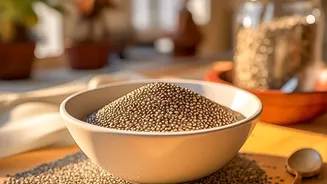
Chia Seeds: The Fibre Powerhouse
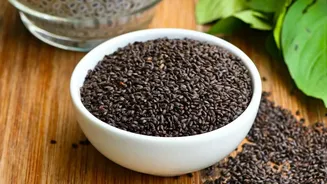
Chia seeds are incredibly rich in soluble fibre, which is a major benefit for blood sugar control. When mixed with liquid, they form a gel-like substance that slows down digestion and the absorption of sugar into the bloodstream, preventing sharp spikes
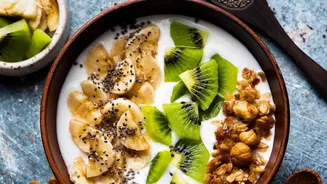
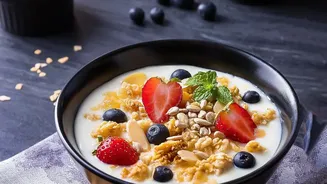
after meals. A two-tablespoon serving packs about 10 grams of fibre. These tiny seeds are also a good source of alpha-linolenic acid (ALA), a plant-based omega-3 fatty acid that supports heart health, which is crucial for individuals with diabetes. Their low glycemic index means they won’t cause rapid fluctuations in blood glucose. For a simple morning boost, soak them overnight for a pudding, blend them into a smoothie, or sprinkle them over yogurt or oatmeal.
Flax Seeds: Rich in Healthy Fats and Lignans
Flax seeds, or 'alsi', are celebrated for their impressive nutritional profile. They are a fantastic source of fibre, ALA omega-3s, and unique compounds called lignans. The high fibre content helps slow digestion, which in turn leads to a more gradual release of glucose into the blood. Lignans are antioxidants that have been studied for their potential to improve insulin sensitivity. Research suggests that regular consumption of flax seeds may help reduce fasting blood sugar levels in people with type 2 diabetes. To get the most benefit, it's best to consume them ground, as whole seeds can pass through the digestive system undigested. Try mixing a tablespoon of ground flaxseed into your morning oatmeal, dosa batter, smoothie, or yogurt for an easy nutritional upgrade.
Pumpkin Seeds: A Boost of Magnesium
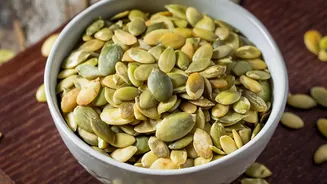
Pumpkin seeds, also known as 'pepitas', are a fantastic snack and a valuable addition to diabetes-friendly cooking. They are one of the best natural sources of magnesium, a mineral that plays a vital role in over 300 bodily processes, including regulating blood sugar levels. Many people with diabetes are deficient in magnesium, making pumpkin seeds an especially useful food. Studies suggest that diets rich in magnesium are associated with a lower risk of type 2 diabetes, and some research indicates pumpkin seeds may help reduce blood sugar after a meal. They also provide healthy fats, fibre, and protein, a combination that promotes satiety and stable energy. Enjoy them roasted as a snack or sprinkle a handful over poha, upma, or salads.
Sunflower Seeds: Packed with Vitamin E and Healthy Fats
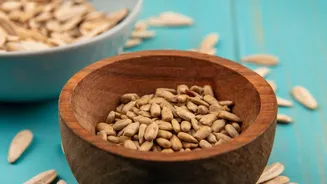
Sunflower seeds are more than just a simple snack; they are a low_carb, nutrient_dense food that fits well into a diabetic diet. They are rich in healthy polyunsaturated fats, protein, and fibre, a trio that helps slow digestion and prevent rapid blood sugar spikes. Sunflower seeds are also an excellent source of vitamin E, an antioxidant that helps reduce inflammation, which is often a concern with chronic conditions like diabetes. Some studies have shown that regular consumption can contribute to better fasting blood sugar levels and improved cholesterol. Their low glycemic index ensures they have a minimal impact on blood glucose. Add unsalted sunflower seeds to trail mixes, sprinkle them on salads, or mix them into yogurt for a satisfying crunch.
Sesame Seeds: The Traditional Choice for Wellness
Sesame seeds, or 'til', are a staple in Indian kitchens and offer significant health benefits for diabetes management. They are a good source of healthy fats, protein, fibre, and magnesium, all of which support blood sugar control. Sesame seeds contain unique plant compounds called lignans and pinoresinol, which may help improve insulin sensitivity and regulate glucose metabolism. Studies have noted that sesame consumption can have a positive effect on glycemic control. Thanks to their low carbohydrate and high protein content, they act as a natural blood sugar regulator. They are incredibly versatile in the kitchen. Use them to make sugar_free til ladoos, sprinkle them on porridges and salads, or blend them into chutneys and dressings.