







Why the Insoles Must Come First
When your shoes get soaked, the insoles act like sponges, trapping a massive amount of moisture deep inside the shoe. Leaving them in is a recipe for disaster. This trapped dampness creates the perfect warm, dark environment for bacteria and fungus to
thrive, leading to unpleasant odours that are hard to remove. Over time, this constant moisture can weaken the adhesives holding your shoe together, degrade the shoe's inner materials, and cause the entire structure to lose its shape. By simply removing the insoles as soon as you get indoors, you allow both the shoe and the insole to get the air circulation they desperately need to dry properly and separately, which is the foundation of all good monsoon shoe care.
The Correct Way to Dry Wet Shoes
After removing the insoles and laces, the next step is to dry everything correctly, and that means avoiding direct heat at all costs. Never place wet shoes near a heater, in direct sunlight, or use a hairdryer, as intense heat can cause materials like leather to crack, synthetics to warp, and shoe glue to melt. The best method is patient air-drying in a well-ventilated spot. To speed things up, stuff the shoes loosely with crumpled newspaper. The paper is excellent at drawing moisture out from the interior. Check and replace the damp newspaper every few hours. You can also place the shoes in front of a table fan to significantly improve airflow and accelerate drying time without risking heat damage.
Material-Specific Care Tips
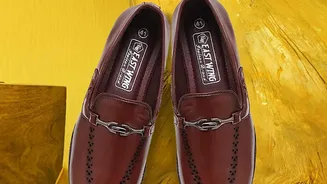
Different shoe materials require different approaches. For leather shoes, wipe off excess water and mud immediately, then allow them to dry naturally after stuffing them with newspaper. Once dry, apply a leather conditioner to restore moisture and prevent cracking. For canvas and fabric shoes, you can often clean them with a mild soap solution and a soft brush before drying. Suede and nubuck are the most delicate; they should be protected with a waterproofing spray before the season starts. If they do get wet, blot them gently and let them air dry completely before brushing the nap back into place with a suede brush.
Fighting Odour and Preventing Fungus
Even with proper drying, humidity can lead to lingering smells. Baking soda is a fantastic natural deodoriser. Once your shoes are completely dry, sprinkle a small amount inside and leave it overnight to absorb any remaining moisture and odours; simply tip it out in the morning. For persistent issues, antifungal powders or sprays can be used on your feet and lightly inside your shoes to keep fungal infections at bay. The key is ensuring your shoes are bone-dry before you wear or store them, as any remaining dampness is what allows fungus to grow.
Build a Smart Monsoon Routine
The best way to make your shoes last is through preventative care. Before the monsoon begins, treat your footwear with a quality water-repellent spray. This creates a protective barrier that helps fend off moisture and stains. It is also crucial to rotate your shoes. Avoid wearing the same pair two days in a row. This gives them a full 24-48 hours to air out and dry completely, which is one of the most effective strategies for extending their life during the wet season. Storing them in a well-ventilated area, rather than a closed, humid cabinet, will also make a significant difference.