






The Power of an IMD Forecast
An official forecast from the India Meteorological Department (IMD) is more than just a weather update; it's a crucial piece of documentation. While an IMD alert for heavy rain doesn't automatically trigger a refund from all providers, it serves as powerful
evidence that your travel plans are affected by circumstances beyond your control. It's the first thing you should reference when contacting airlines, railways, or hotels. The alert establishes that your decision to cancel or change plans is based on a credible, government-issued warning about potentially unsafe conditions, moving the situation beyond a mere change of mind.
Navigating Flight Cancellations
When it comes to air travel, the rules hinge on who cancels first. If the airline cancels your flight due to bad weather, your rights are clear under DGCA regulations. The airline must offer you the choice between a full refund or an alternate flight. They are generally exempt from paying extra financial compensation because severe weather is considered a 'force majeure' event, or an extraordinary circumstance. However, if you are already at the airport when a significant delay or cancellation occurs, the airline is obligated to provide care, such as meals and refreshments, and even hotel accommodation for overnight disruptions. If you decide to cancel your booking based on a forecast before the airline does, you are subject to the ticket's fare rules, which may involve cancellation fees. Always check the airline's policy before acting.
Refunds on Indian Railways
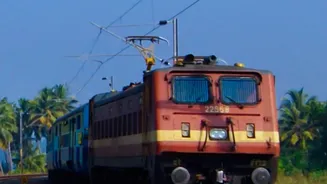
Indian Railways has relatively straightforward policies. If your train is cancelled by the railways due to flooding or other weather-related issues, you are entitled to a full refund. For e-tickets booked via IRCTC, this refund is typically processed automatically. For counter tickets, you must surrender the ticket at a PRS counter to claim the refund. A key rule for passengers is that if a train is running late by more than three hours, you can choose not to travel and file a Ticket Deposit Receipt (TDR) to claim a full refund. This is useful if you can't reach the station due to waterlogging caused by the rain highlighted in the IMD forecast.
Hotels and Booking Platforms
Hotel refund policies are the most varied and often the trickiest. Unlike flights, there's no single regulator setting the rules. The policy is determined by the individual hotel or the online travel agent (OTA) you booked through. Many hotels have strict cancellation windows, often requiring 48 or 72 hours' notice. An IMD alert is your best negotiation tool. Contact the hotel or OTA directly, explain that the official weather warning has made travel unsafe or impossible, and request a waiver of the cancellation fee, a credit for a future stay, or a date change. Some may be accommodating, especially if you booked a 'flexible' rate, but 'non-refundable' bookings are much harder to get refunded. Always read the cancellation policy carefully before booking during monsoon season.
The Role of Travel Insurance
For ultimate protection during monsoon travel, consider travel insurance. A standard policy often won't cover cancellation due to a weather forecast alone, but a comprehensive plan might. Look for policies that specifically cover trip interruptions or cancellations due to severe weather events. If a named weather event like a cyclone or widespread flooding leads to official travel advisories, insurance can be invaluable. It can help recover non-refundable expenses for hotels, tours, and other prepaid costs that the providers themselves won't refund. Always read the policy details to understand what is covered before you buy.
Your Action Plan for Refunds
When disruptions occur, be proactive. First, save screenshots or download the official IMD alerts for your destination and dates. When you contact your airline, hotel, or railway, reference this official warning. Keep a record of all communication, including names of customer service agents and reference numbers. For flights, if the airline is unresponsive, you can file a grievance on the AirSewa portal. For all services, document everything. This paperwork is crucial if you need to escalate the issue or file a consumer complaint.