



The Twin Crisis of Reefs and Fisheries
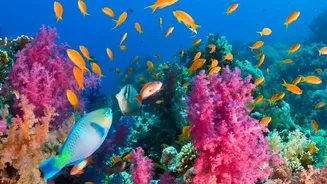
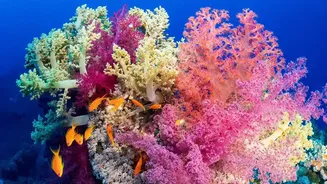
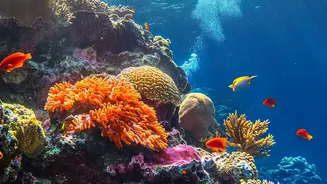
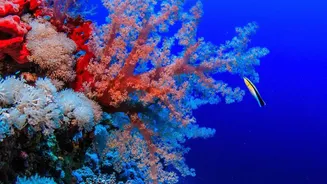
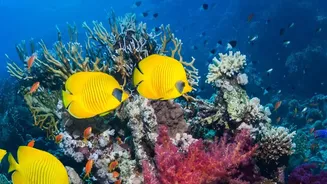
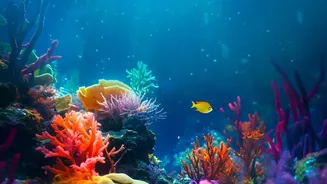
Coral reefs are often called the 'rainforests of the sea', and for good reason. These vibrant underwater cities are hotspots of biodiversity, supporting an estimated 25% of all marine life. For coastal communities across India and the world, this is not
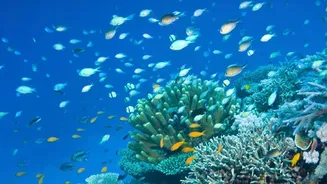
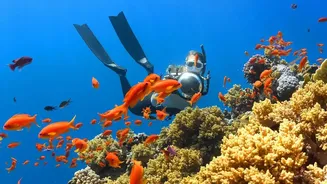
just an ecological fact but a matter of survival. Healthy reefs serve as critical nurseries, breeding grounds, and shelters for countless fish species that form the backbone of local fisheries. However, as climate change warms the oceans, corals are suffering from mass bleaching events, where they expel the vital algae living in their tissues and turn ghostly white. This decline has a direct and devastating impact on fish populations, threatening the food security and economic stability of millions who depend on the sea.
The Search for 'Super Corals'
In the face of this crisis, scientists have observed a glimmer of hope: not all corals succumb to the heat. Some individuals, even within the same species, show a surprising ability to withstand warmer waters. These naturally resilient organisms, often dubbed 'super corals', have become the focus of intense research. Scientists identify these hardy specimens by conducting stress tests, where coral fragments are collected and exposed to elevated water temperatures in controlled aquarium settings. Researchers observe which corals resist bleaching, and then analyze their DNA to pinpoint the genetic markers associated with this valuable heat tolerance. This process allows them to map out which corals have the best chance of surviving and passing on their resilient genes to the next generation.
From Lab to Reef: A New Kind of Gardening
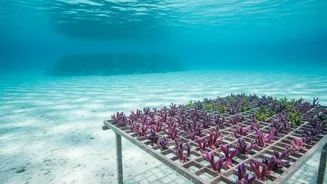
Once identified, these heat-resistant corals become the seed stock for ambitious restoration projects. The primary methods used are 'coral gardening' and 'microfragmentation'. In coral gardening, small fragments are taken from healthy donor colonies and grown in controlled underwater or land-based nurseries. This nursery stage allows the fragments to grow stronger and larger before being transplanted to degraded reefs. Microfragmentation is an even faster technique, where corals are cut into tiny pieces. This process triggers a natural healing response that can accelerate growth rates by up to 50 times faster than normal. These small pieces, when placed next to each other, can fuse together to form a larger colony in a fraction of the time it would take naturally.
Restoring Reefs Across India
These innovative techniques are not just happening in distant labs; they are being actively deployed along India's coastline. Restoration projects of varying scales are underway in the Gulf of Mannar, Palk Bay, the Gulf of Kachchh, Lakshadweep, and the Andaman and Nicobar Islands. For over two decades, the Suganthi Devadason Marine Research Institute has led efforts in the Gulf of Mannar, transplanting thousands of coral fragments onto artificial frames. In Gujarat, the Mithapur Coral Reef Recovery Project, a joint venture between the Wildlife Trust of India, the Gujarat Forest Department, and Tata Chemicals, has been working since 2008 to restore the local reef using artificial structures and coral nurseries. These projects represent a critical effort to rebuild these vital ecosystems.
A Cautious Hope for the Future
Harvesting and planting super corals offers a powerful tool to buy time for our reefs. By restoring bleached areas with more resilient species, we can help maintain the complex structure of the reef that fish and other marine life depend on. This, in turn, helps preserve the coastal fisheries that are essential for food and income. However, scientists are clear that this is not a silver bullet. Restoration efforts can be slow and expensive, and their success is limited if the root causes of climate change are not addressed. For these projects to have a lasting impact, they must be combined with global efforts to reduce carbon emissions and local work to combat pollution and overfishing.