





The End of the ‘Cakey’ Era
For years, the goal of everyday makeup was to create a flawless, uniform canvas. Influenced by social media trends that favoured high-glamour transformations, full-coverage foundations became a staple. The aim was to erase every pore, spot, and hint of texture,
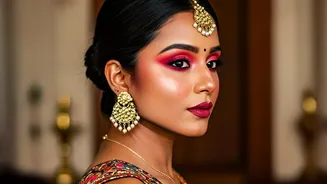
but this often came at a cost. In India's predominantly hot and humid climate, heavy makeup can feel suffocating, melt easily, and lead to clogged pores. The result was often a 'cakey' or mask-like appearance that felt heavy and looked unnatural in daylight. Now, the pendulum is swinging in the opposite direction, moving away from hiding skin to celebrating it. This shift reflects a broader change in attitudes towards authenticity and self-acceptance.
‘Skinimalism’ Takes Root
The new approach has a name: ‘skinimalism’. This trend, which is gaining immense popularity across India, is about using fewer, more effective products to let your natural skin shine through. Rather than covering the entire face with a thick layer of product, the focus is on a skincare-first routine that ensures the skin is healthy, hydrated, and glowing from within. This philosophy is perfectly suited to Indian conditions and lifestyles, where a desire for quick, effective routines and lightweight, non-greasy formulas is paramount. The goal is no longer to look flawless, but to look and feel like the best version of yourself, complete with real skin texture. As celebrity makeup artist Namrata Soni, known for her signature glowing looks, advises, it's about cutting down the number of products and only using what you really need.
The Modern Technique: Sheer Plus Strategic
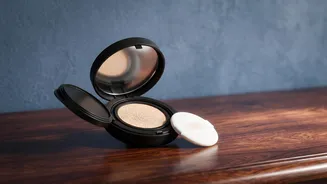
The method is simple yet revolutionary. It starts with a sheer-coverage base product, like a lightweight foundation, skin tint, or even a BB cream. These formulas don't aim to hide everything; instead, they gently even out the skin tone and provide a fresh, dewy finish that looks like real skin. The second part of the duo is a concealer, but it's used strategically. Instead of applying it in large triangles under the eyes, it’s dotted precisely where needed—on blemishes, areas of redness, or dark circles—and then blended seamlessly. This targeted approach ensures that most of the skin remains uncovered and can breathe, resulting in a look that feels comfortable all day. It's a technique that requires less product but more precision, celebrating skin instead of concealing it.
Why It Works for India
This trend isn't just a passing fad; it's a practical solution perfectly aligned with the needs of Indian consumers. The country's diverse and often humid climate demands breathable, sweat-resistant makeup. A lightweight base is far more comfortable and less likely to slide off during a long day. Furthermore, with a growing focus on skincare, people are investing more in the health of their skin and are eager to show it off. Brands have been quick to respond, launching a new generation of serum-infused foundations, hydrating skin tints, and multifunctional products that combine coverage with skincare benefits. This evolution is also championed by Bollywood celebrities like Alia Bhatt and Ananya Panday, who have popularised minimalist, 'no-makeup' makeup looks that feel fresh and authentic.
How to Master the Look
Achieving this modern base is easier than it seems. The first step is non-negotiable: well-prepped skin. Start with a clean, moisturised face, and always use sunscreen. For your base, choose a lightweight formula. Skin tints, serum foundations, and even mousse-textured products are excellent options that feel weightless. Apply a thin layer with your fingers or a damp sponge, focusing on blending it out for a seamless finish. Then, take a high-coverage concealer that matches your skin tone. Apply tiny dots only on the areas that need extra coverage. Use a small brush or your ring finger to gently tap and blend the product until it melts into your skin. The final touch is a light dusting of setting powder on the areas where you tend to get shiny, leaving the rest of the face with a natural, radiant glow.