


The Great Indoors Isn't a Safe Haven
We assume that closing our doors and windows shields us from the toxic outdoor air. The reality is more complex. Outdoor pollutants like PM2.5 seep indoors through every crack and vent, meaning indoor air can quickly become as bad as the air outside.
But it doesn't stop there. Our homes are also filled with their own unique sources of pollution. The US Environmental Protection Agency (EPA) has noted that indoor air can be two to five times more polluted than outdoor air, a sobering thought considering we spend up to 90% of our time indoors. This creates a double-whammy effect where outdoor smog is compounded by pollutants generated right within our living spaces.
Meet the Hidden Pollutants in Your Home
Beyond the smog that gets in, a host of chemicals and particles are released by everyday items. These are known as Volatile Organic Compounds (VOCs), and they 'off-gas' from thousands of products. Common culprits include paints, cleaning agents, air fresheners, cosmetics, and even furniture made from pressed wood. Many of these, like formaldehyde and benzene, can cause everything from headaches and dizziness to long-term organ damage and an increased risk of cancer. Another major source is cooking, especially frying and tadka, which releases fine particulate matter (PM2.5) into the air. Add to this mix dust, mould spores from damp areas, and smoke from incense or diyas, and you have a potent cocktail of indoor pollutants.
Why Winter Makes Everything Worse
Winter's cold weather forces us to seal our homes tight to stay warm. While this keeps the heat in, it also dramatically reduces ventilation. This lack of fresh air circulation means that all the pollutants generated indoors get trapped and accumulate, reaching higher concentrations than they would in summer. Furthermore, a phenomenon called 'temperature inversion' common in Indian winters traps cold, dense, polluted air near the ground, preventing it from dispersing. This makes the outdoor air quality particularly bad, leading to even more pollutants finding their way inside and getting stuck there.
Simple Steps for Cleaner Indoor Air
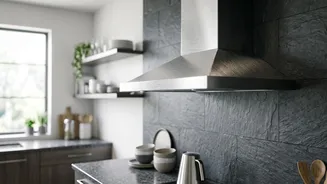
The good news is that you have significant control over your indoor environment. The first and simplest step is strategic ventilation. Open windows for 10-15 minutes a few times a day, preferably when outdoor pollution is at its lowest (often in the afternoon), to flush out stale, polluted indoor air. Use exhaust fans in kitchens while cooking and in bathrooms during showers to expel moisture and combustion particles directly outside. Regular, thorough cleaning with a damp cloth and a vacuum cleaner (ideally one with a HEPA filter) can capture dust, pet dander, and other allergens before they become airborne. Be mindful of the products you bring into your home; opt for low-VOC paints and natural cleaning solutions where possible.
Plants and Purifiers: Your Indoor Air Allies
For an extra layer of defence, consider investing in tools and natural aids. Air purifiers with HEPA filters are highly effective at capturing microscopic particles like PM2.5, viruses, and allergens that float in the air. When choosing one, consider the size of your room to ensure it can clean the air effectively. On the natural front, certain houseplants have been shown to be effective at absorbing common toxins. A landmark NASA study highlighted plants like the Snake Plant, Areca Palm, and Money Plant for their ability to filter out chemicals like formaldehyde and benzene. While they won't single-handedly solve a major pollution problem, they are a helpful, green addition to your clean air strategy.