






The End of the Forced Digital Detox
For years, a trip to Coorg, officially known as Kodagu, often meant a forced digital detox. While the serene landscapes, aromatic spice gardens, and the promise of disconnecting were a major draw, this also made it an impractical destination for anyone
needing to stay connected. Remote workers, digital nomads, and even travelers wanting to upload photos or make video calls often struggled with unreliable mobile data and slow Wi-Fi. This barrier is now being dismantled as a growing number of plantation stays and homestays invest in robust internet infrastructure, transforming the region into a viable and highly attractive destination for 'workcations'. This shift caters to a new wave of professionals who want to combine productivity with the tranquility of nature, without sacrificing efficiency.
From Lagging Connections to Fiber-Fast Speeds
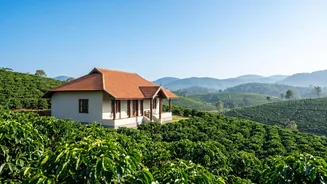
The key to this transformation is the rollout of Fiber-to-the-Home (FTTH) services. Initiatives like the central government's BharatNet project, implemented by providers such as BSNL, are bringing high-speed broadband to rural areas, including the remote estates of Kodagu. This has enabled homestays and resorts to offer stable, high-speed connections that were previously unthinkable. Some properties now advertise speeds of 80 Mbps or more, which is more than sufficient for video conferencing, large file transfers, and other demanding online tasks. While mobile connectivity can still be inconsistent in the hilly terrain, the availability of dedicated fiber lines means guests can now work seamlessly from their rooms or dedicated workspaces, surrounded by acres of coffee plants.
What to Expect at a Connected Plantation
Beyond just a fast Wi-Fi password, many properties are adapting to the needs of the working traveler. Dedicated workspaces, ergonomic seating, and power backup systems are becoming more common amenities. Luxury resorts like Evolve Back and Taj Madikeri have long offered modern facilities, but now even smaller, family-run homestays are recognizing the demand. These stays offer a unique blend of professional convenience and authentic local culture, allowing guests to experience Kodava hospitality and cuisine while staying on top of their work commitments. Some booking platforms now specifically curate lists of 'workation-friendly' stays, verifying internet speeds and the availability of a quiet work environment.
Choosing Your Ideal Work-from-Hills Setup
While many properties now boast high-speed internet, the quality can still vary. It is crucial for travelers to do their due diligence before booking. The term "coffee plantation stay" is used broadly, and not all are located on actual working estates. It's advisable to contact the homestay or resort directly to confirm the type of internet connection (fiber optic is preferable), the typical speeds, and whether they have power backup like a generator—power cuts can still be an issue, particularly during monsoon season. Reading recent reviews from other remote workers can also provide valuable insight. By verifying these details, travelers can ensure their workcation is both productive and peaceful.
The New Era for Coorg Tourism
This technological upgrade marks a significant evolution for Coorg's tourism landscape. Once primarily a destination for weekend getaways and nature lovers seeking to unplug, it is now positioning itself as one of South India's premier destinations for long-term work-from-anywhere stays. The ability to log a full day of work and then immediately step out for a trek through the plantations, a tour of the estate, or simply enjoy a freshly brewed cup of coffee on the veranda offers an unparalleled work-life balance. This fusion of productivity and nature is not just a passing trend but a new, sustainable model for tourism that benefits both travelers and local property owners.