






The Challenge of Urban Pests
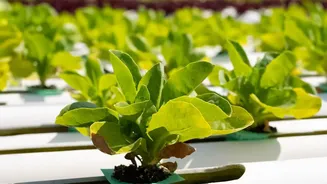
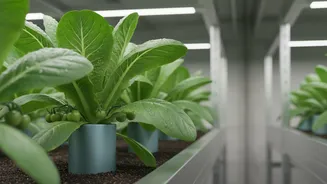
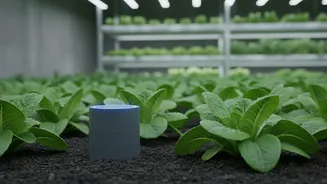
Urban agriculture, from rooftop gardens to high-tech vertical farms, represents a greener future for our food systems. By growing produce closer to consumers, these operations slash transportation costs and provide fresh, local options. But these controlled
environments are also uniquely vulnerable to pests. An infestation of common nuisances like whiteflies or aphids can spread rapidly in an enclosed space, threatening an entire crop. For growers committed to sustainability, traditional chemical pesticides are often a last resort, if they are an option at all. The chemicals can pose risks in contained environments and conflict with the organic, pesticide-free promise that draws many consumers to urban-grown produce. This has created an urgent need for innovative, non-toxic solutions that can protect plants without compromising their integrity.
The Science of Sonic Defense
Enter bio-acoustic technology. The concept isn't entirely new—for decades, researchers have explored using sound to deter pests—but recent advancements are making it a practical reality for agriculture. The technology primarily uses ultrasonic frequencies, which are sound waves above the range of human hearing but well within the sensory spectrum of many insects and other pests. These high-frequency sounds create an inhospitable environment, effectively irritating or confusing pests and disrupting their normal behavior, such as feeding and breeding. Some systems mimic the ultrasonic calls of natural predators, like bats, triggering an instinctual flight response in moths and other nocturnal insects. The goal isn't necessarily to kill the pests, but to make the area so unpleasant that they leave on their own, protecting the crops without using a single drop of poison.
A Greener Way to Grow
The primary appeal of soundwave technology is its environmental footprint—or lack thereof. Unlike chemical pesticides, it produces no harmful runoff that can contaminate soil and water. It poses no risk to human workers or the end consumers, a major selling point for produce grown in dense urban settings. Furthermore, when calibrated correctly, these sonic systems can be highly targeted. This specificity helps protect beneficial insects, such as pollinators like bees, which are often casualties of broad-spectrum chemical sprays. This approach aligns perfectly with the principles of integrated pest management (IPM), which prioritizes sustainable, low-impact methods. By providing a clean line of defense, sound-based systems help preserve the delicate ecosystems that can exist even within a city farm.
From Lab to Lettuce
This technology is moving beyond theory and into practice. Research initiatives, like a collaboration between Japan's National Agriculture and Food Research Organization (NARO) and Pixie Dust Technologies, have demonstrated tangible results. Their studies showed that applying non-contact force via ultrasonic waves successfully dislodged a significant percentage of whiteflies and aphids from plant leaves. Crucially, they also found that prolonged exposure to the sounds cut the number of eggs laid by whiteflies by more than half, disrupting the pest lifecycle. While many commercial devices are still aimed at consumers for yards and gardens, companies are increasingly developing systems powerful and durable enough for agricultural settings. These solutions range from stationary emitters placed around a grow room to more advanced concepts like AI-guided drones that patrol larger areas.
The Sound of the Future
Despite its promise, sonic pest control is not a silver bullet. The effectiveness can vary depending on the specific pest, the size of the space, and environmental factors like background noise. Some pests may also become accustomed to a constant, unchanging sound, a phenomenon known as habituation. To counter this, newer systems often use pulsed or variable frequencies to keep the pests off-balance. The initial investment for professional-grade equipment can also be a consideration for smaller urban farms. However, proponents argue that these upfront costs are offset by long-term savings on chemical treatments and reduced crop loss. As the technology becomes more refined and cost-effective, soundwaves are poised to become an essential tool in the modern farmer's arsenal, helping create a more sustainable and resilient urban food supply.