


Your AI Stylist Will See You Now
The idea of a digital wardrobe assistant isn't new; many still recall the iconic, if clunky, virtual closet from the 90s film 'Clueless'. Today, that concept has evolved into a sophisticated reality. AI-powered stylist apps and features on platforms like
Pinterest and TikTok analyze vast amounts of data—from runway shows and street style to your own saved pins and past purchases—to suggest outfit combinations. These apps can digitize your existing wardrobe, allowing you to mix and match pieces virtually. By processing color theory, patterns, and silhouettes, the algorithm acts as an objective third eye, proposing pairings your brain might have never considered on its own.
Embracing the Unexpected Combo
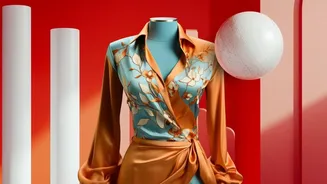
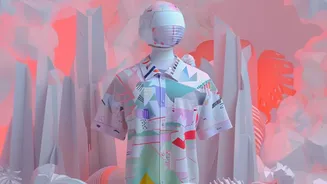
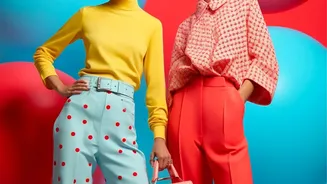
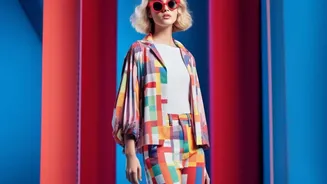
So what do these “unexpected pairings” look like in practice? Forget safe neutrals. AI-driven trends are pushing bolder combinations, often based on what's gaining traction on social media or seen on the runway. Think bubblegum pink paired with army green, or a sharp crimson red set against a soft periwinkle blue. On a more structural level, it could mean adding sporty touches to elegant outfits, like a baseball cap with a tailored suit or a funnel-neck windbreaker over a slip skirt. These algorithms are programmed to identify and amplify emerging trends, like pairing long shorts or knee-length pencil skirts with oversized blazers, encouraging users to step outside their comfort zone. It's about finding harmony in contrast, whether through color or style genre.
The Case For Algorithmic Creativity
Proponents argue that these digital tools democratize style. They provide a 24/7, affordable alternative to a human stylist, offering personalized advice to the masses. For those feeling uninspired, an algorithm can be a powerful tool for rediscovering forgotten items in the back of your closet, suggesting new ways to wear old favorites. This can also promote sustainability by encouraging users to shop their own wardrobe before buying new items. The AI doesn't have personal taste or biases; it simply runs on data and rules of aesthetic harmony, providing a fresh perspective that can unlock a new level of personal expression. It’s a tool to jumpstart creativity, not replace it.
The Risk of a Fashion Echo Chamber
However, critics raise a valid concern: does relying on an algorithm kill true personal style? When everyone receives suggestions based on the same pool of trending data, it can lead to a homogenization of fashion. Personal style, once a unique signature, risks becoming a reflection of what performs well online. The line blurs between what you genuinely like and what you've been subtly influenced to think is fashionable. There is also the argument that AI lacks the emotional intelligence and understanding of a person's life and identity that a human stylist provides. It can suggest an outfit, but it can't understand the confidence—or lack thereof—that comes with wearing it.
Finding a Hybrid Approach
Perhaps the most practical path forward lies not in choosing between human intuition and artificial intelligence, but in blending them. Many of the best styling apps are moving toward hybrid models, using AI for data processing and outfit generation while keeping a human stylist in the loop for curation and feedback. You can use an algorithm as a starting point—an ideation partner to spark a new combination you hadn't considered. But the final decision should always come down to a personal filter. Does this pairing feel authentic to you? Does it fit the story you want to tell with your clothes? The algorithm can show you the options, but you remain the editor.