






Beyond the Familiar 'Desi' Chinese
For years, the Indian experience with Asian food was a comforting but narrow one, dominated by the localised flavours of Indo-Chinese cuisine. Dishes born in the Chinatowns of Kolkata, which cleverly merged Chinese techniques with Indian spices, became
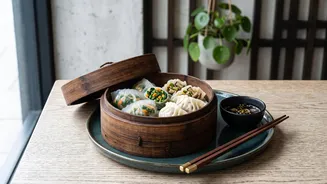
a national staple. But the landscape is changing. A rapid expansion of pan-Asian restaurants signals a fundamental shift in the Indian palate, moving from heavily adapted recipes to more authentic global flavours. Diners, especially in urban centres, are looking beyond the familiar Hakka noodles and are increasingly curious about the distinct culinary identities of Japan, Korea, Vietnam, and Thailand.
The K-Drama and Anime Effect
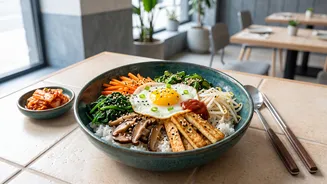
Much of this newfound curiosity is being served on screen. The massive popularity of Korean dramas and Japanese anime in India has had a direct impact on food trends. When characters in a K-drama gather for a meal of bibimbap or share a spicy bowl of tteokbokki, viewers are no longer just watching a story; they are getting a window into Korean dining culture. This has sparked a real-world demand for these dishes, with restaurants and cafes quickly adding them to their menus. Similarly, scenes of characters enjoying ramen or onigiri in anime have made Japanese food more familiar and accessible to a generation of young Indians, turning on-screen curiosity into off-screen orders.
Finding the Vegetarian Option
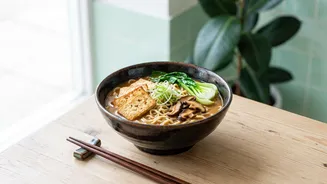
A significant factor enabling this trend is the surprising adaptability of these cuisines to a vegetarian diet. While many assume East Asian food is primarily meat and seafood-based, restaurants are innovating to cater to India's large vegetarian population. Korean restaurants now offer sizzling vegetarian bibimbap bowls with seasoned vegetables and tofu, alongside spicy gochujang-based stews without meat. Japanese cuisine's Buddhist roots have given rise to 'Shojin Ryori', a traditional vegetarian temple cuisine, which inspires many modern dishes. Diners can now easily find vegetable tempura, cucumber and avocado sushi, and hearty vegetarian ramen made with kombu (seaweed) broth instead of fish stock. Even Vietnamese staples like pho and fresh summer rolls are proving popular for their light, herb-driven flavours and easy vegetarian variations.
A Generational Shift in Taste
This culinary expansion is largely driven by Millennials and Gen Z. These generations are more experimental, globally connected through social media, and view food as an experience to be shared and documented. Having grown up with more disposable income and exposure to global trends than their parents, they are actively seeking new and authentic dining options. Food delivery apps have further accelerated this trend, making it easier than ever to explore Korean cloud kitchens or order a Vietnamese noodle salad from the comfort of home. The sweet, spicy, and tangy flavour profiles found in many Korean dishes, for example, align well with the Indian palate, which has always celebrated complexity.