





A New Season of Trips
The traditional, single long holiday during the festive quarter is giving way to a more dynamic approach. For young Indians, the period from October to December is now seen as a season of trips, not just one trip. Recent data indicates a significant shift,
with festive travel bookings for 2026 already running about 50% ahead of last year. A report from backpacker hostel chain Zostel highlights this trend, noting that nearly one in four of their travellers booked more than one festive trip last year. This reflects a broader desire for more experiences, a break from routine, and the flexibility to explore multiple places without committing to a long period of leave. The average trip lasts just two nights, making it easier to fit into a busy schedule.
The Art of Spontaneity
Forget planning your Diwali trip in August. A key characteristic of this new travel style is spontaneity. Data shows that many young travellers are booking their trips at the last minute. Around three in ten book on the day they check in, while a majority—six in ten—make reservations within just three days of their arrival. This last-minute approach is driven by a desire for flexibility and is made possible by a digitally native generation comfortable with booking flights and accommodation on the go. This trend suits those who want to escape the grind of city life, with major hubs like Delhi NCR, Mumbai, and Bengaluru being the leading source cities for these spontaneous travellers.
Strategic Budgeting for Multiple Breaks
Fitting multiple trips into a budget requires savvy financial planning. The key isn't necessarily having more money, but using it smarter. Young travellers are masters of budget travel hacks. They opt for hostels or group vacation rentals over expensive hotels, significantly cutting down accommodation costs. Food expenses are managed by exploring local markets and eateries instead of pricey restaurants. When it comes to flights, flexibility is crucial. Flying mid-week is a popular strategy to save money compared to expensive weekend fares. Many also sign up for fare alerts from travel apps and websites, allowing them to snag deals as soon as they become available.
Choosing Destinations Wisely
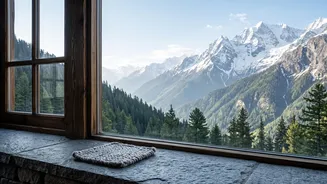
The destination choice is critical for a successful mini-break. Proximity and accessibility are key. Travellers are increasingly exploring off-beat and emerging destinations to avoid the festive rush and inflated prices of traditional hotspots. For the 2026 festive season, destinations like Hampi, Gokarna, Varkala, and Rishikesh have been popular choices. There is also a significant surge in interest for Himalayan destinations such as Sangla, Kalpa, and Chitkul, which have seen bookings grow by nearly three times compared to the previous year. These locations offer unique experiences, from spiritual retreats in Rishikesh to beach vibes in Gokarna, all within a short travel duration. By venturing off the beaten path, travellers find richer experiences and better value.
Leveraging a Modern Work Life
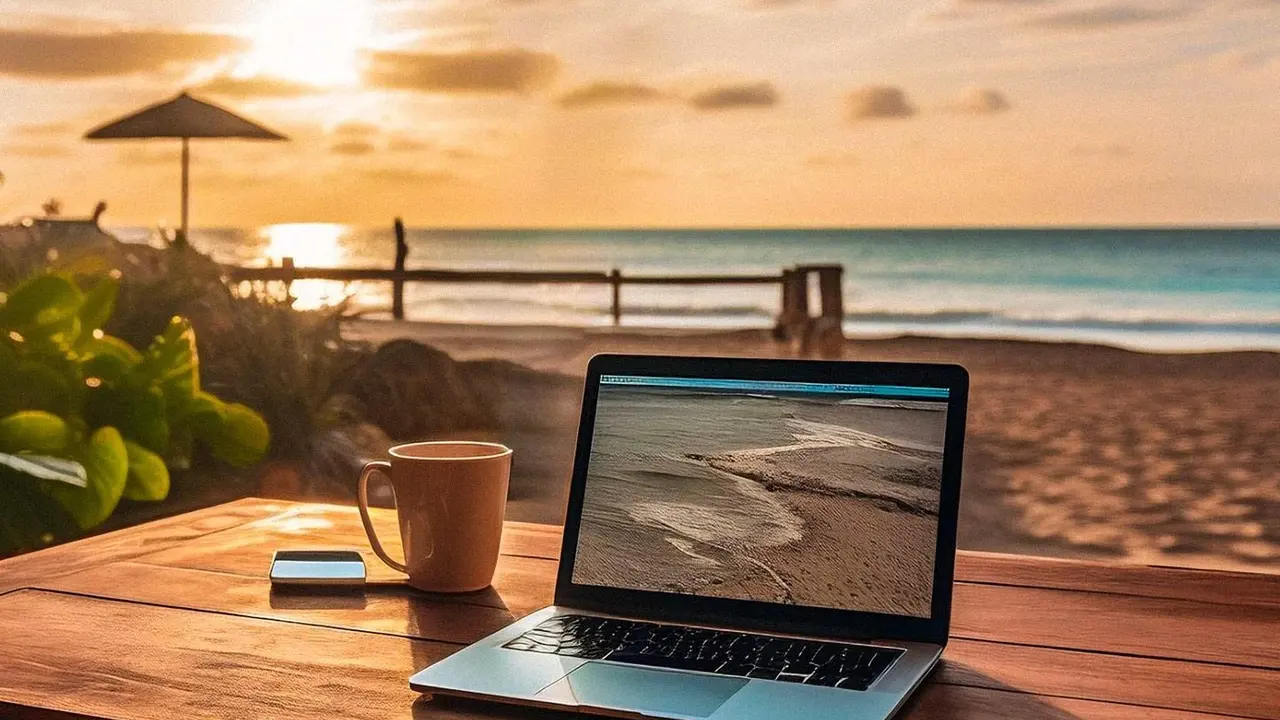
The rise of remote work and 'work-from-anywhere' policies has been a major enabler of this trend. Many young professionals can now blend work and travel, extending a weekend trip by working from a cafe in the mountains or a homestay by the beach. This allows them to travel without dipping into their limited annual leave. They strategically plan trips around long weekends, turning a three-day break into a four or five-day escape with minimal days off. This combination of smart scheduling and workplace flexibility is fundamental to packing the festive calendar with enriching travel experiences.