




Rethink Your Watering Schedule
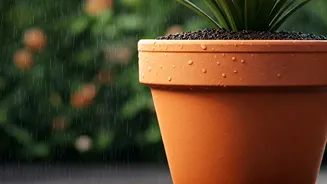
The single biggest mistake in monsoon plant care is overwatering. [1, 5] With high humidity in the air, the soil in your pots will stay wet for much longer. [5] Plants need significantly less water than they do in dry, hot weather. Before reaching for the watering can,
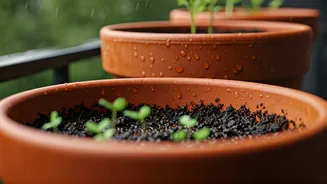
always perform the 'finger test': stick your finger about an inch into the soil. [3, 5] If it feels damp, wait a few more days before watering. [3, 5] A fixed schedule doesn't work during the rainy season; you must water based on the plant's actual needs. [12] When you do water, do so lightly. The goal is to keep the soil from becoming waterlogged, which suffocates the roots and leads to root rot, one of the most common plant killers during this season. [3, 11] Yellowing leaves and a foul smell from the soil are classic signs of overwatering. [5]
Improve Drainage and Aeration
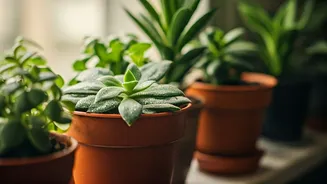
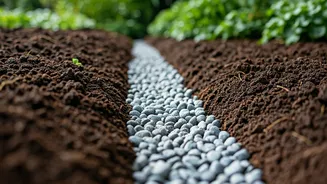
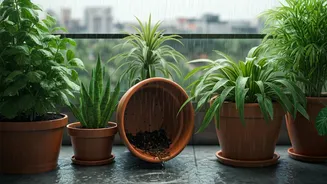
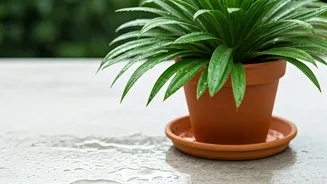
Good drainage is non-negotiable during the monsoon. [3] Ensure every pot has drainage holes at the bottom and that they aren't clogged. [6] If you love a decorative pot that lacks holes, use it as a cachepot—place a smaller nursery pot with drainage inside it, and be sure to empty any excess water from the outer pot after watering. [13] The right soil mix also makes a huge difference. Heavy garden soil can become compacted and retain too much water. A well-draining potting mix is essential. [4] You can improve your existing soil's aeration by adding materials like perlite, coco coir, or sand. [3, 4, 9] These create air pockets, allowing roots to breathe and helping the soil dry out more evenly, which is critical in a humid home. [4, 10]
Adjust Light and Location
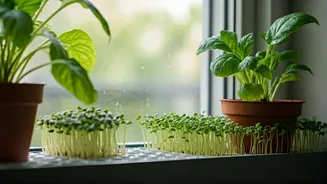
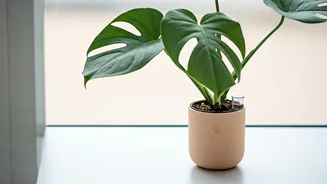
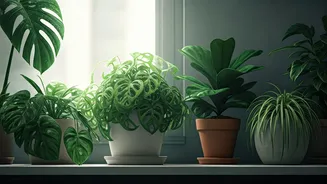
Monsoon skies are often overcast, significantly reducing the amount of natural sunlight entering your home. [2] Plants that are usually happy in a corner might need to be moved closer to a window to get enough light for photosynthesis. [8, 23] South or west-facing windows that might be too harsh in the summer are often ideal during the cloudy monsoon months. [25] However, avoid placing plants directly in heavy rain or strong winds if they are on a balcony. [2] Rotating your plants every few days will also ensure that all sides get some light exposure, preventing lopsided or 'leggy' growth. [21] If you have plants that require high light, such as succulents, consider supplementing with a grow light on particularly dark days. [2, 24]
Watch for Pests and Fungal Infections
High humidity creates the perfect breeding ground for pests and fungal diseases. [2, 14] Common monsoon issues include powdery mildew, fungal leaf spots, and pests like mealybugs, aphids, and fungus gnats. [14, 20] Fungus gnats, those tiny black flies buzzing around your pots, are a sign that the soil is staying too wet. [19] Inspect your plants regularly, paying close attention to the undersides of leaves and the joints of stems. [15] Wiping leaves with a damp cloth not only keeps them clean for better light absorption but also helps you spot pests early. For many common pests, a spray of neem oil solution every 10-15 days can act as an effective and natural preventative measure. [5, 6] Improving air circulation by not overcrowding plants can also help prevent fungal growth. [2, 14]
Prune and Manage Growth
The monsoon can trigger a growth spurt in many tropical plants. [2] This is an excellent time for pruning. Trimming away dead, yellowing, or excess foliage helps maintain the plant's shape and improves air circulation through its leaves. [2, 6] Pruning also encourages healthier and bushier growth. [6] For plants with fragile stems, the added weight of water from high humidity or accidental rain exposure can cause them to bend or break. Provide support with small stakes if needed. [3] It’s generally advised to reduce fertilizing during this time. With reduced sunlight, plants' growth slows down, and adding fertilizer to already moist soil can lead to root burn. [3] If you must fertilize, do so sparingly and only during a dry spell.