


The Shift to Greener Gardening
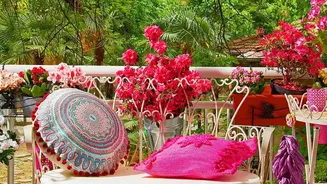
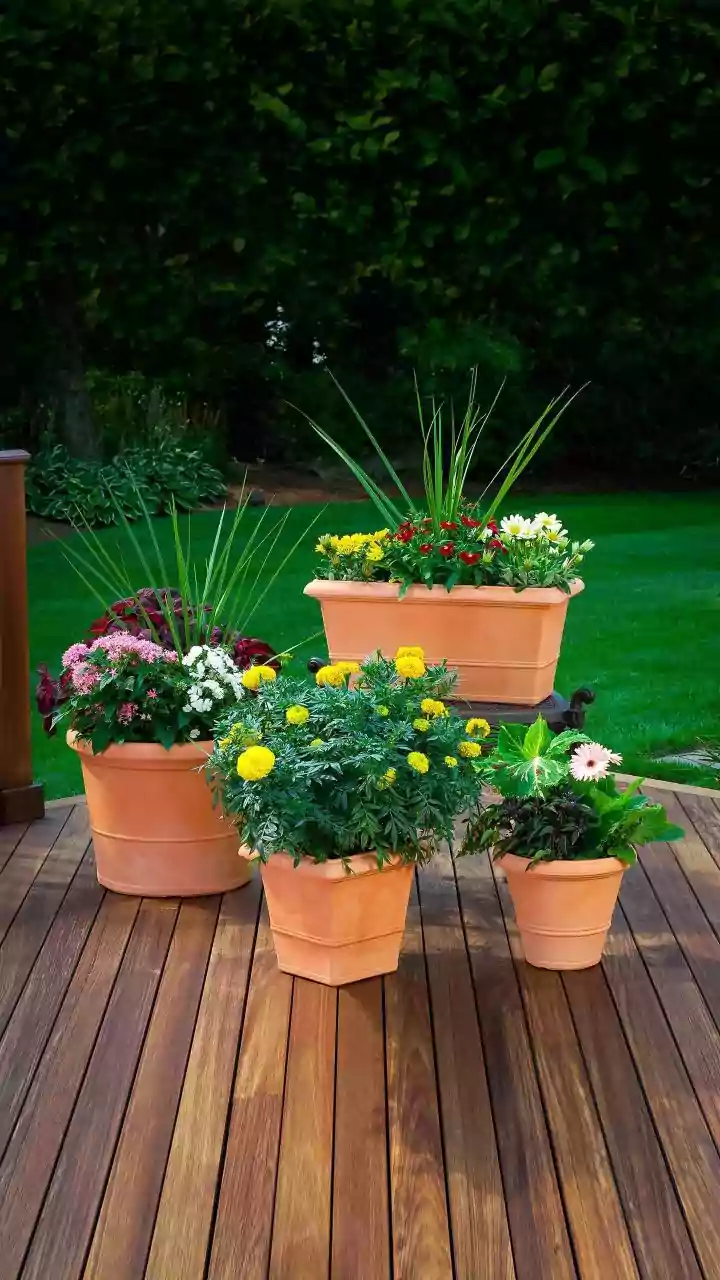
In urban homes across India, the balcony garden is a cherished escape. It’s a small patch of nature that brings life and tranquillity to bustling city environments. However, these green havens are often susceptible to pests like aphids, mealybugs, spider
mites, and whiteflies. While traditional chemical pesticides offer a quick fix, eco-conscious gardeners are increasingly seeking gentler alternatives. The desire to avoid toxic residues, protect beneficial insects like bees, and ensure a safe environment for families and pets is driving a return to trusted, nature-based solutions. This is where neem oil and simple soapy water have emerged as frontrunners, providing an effective first line of defence.
Neem Oil: Nature's Potent Protector
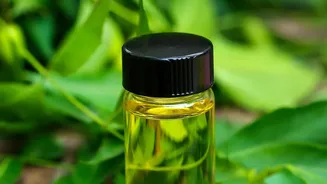
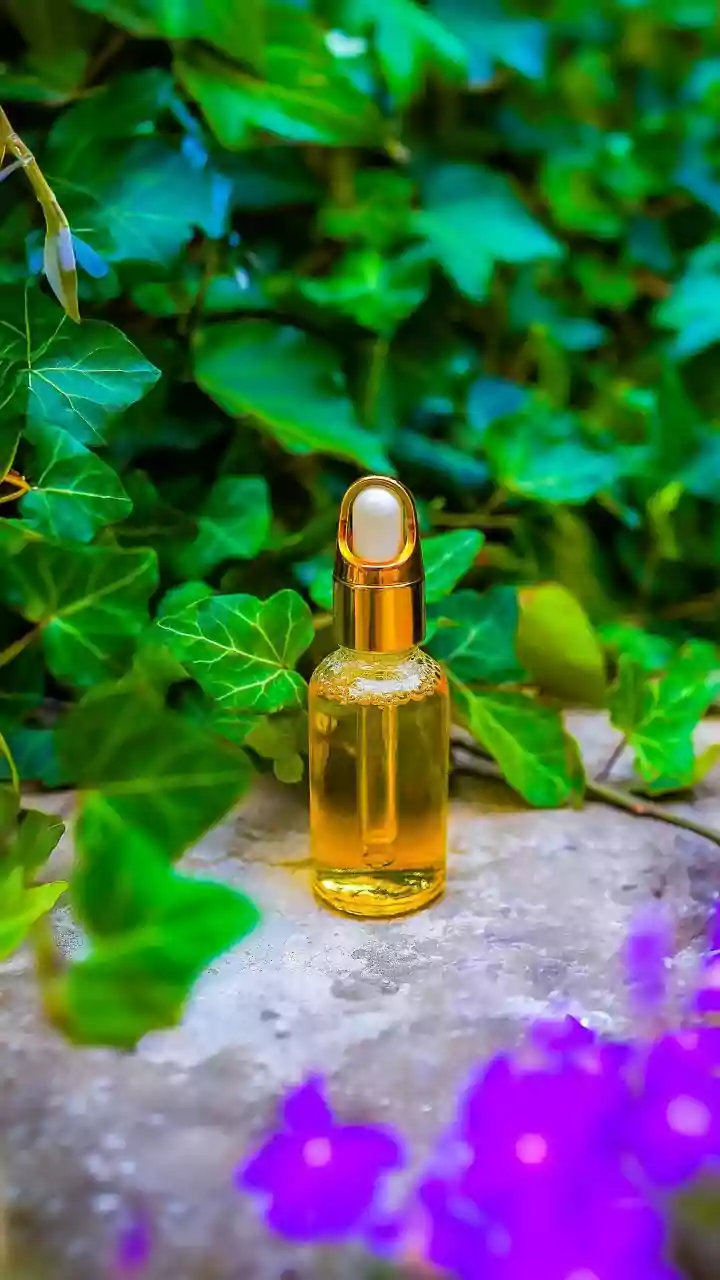
Neem oil is a vegetable oil extracted from the seeds of the neem tree (Azadirachta indica), a plant deeply rooted in Indian tradition for its medicinal properties. Its power as a pesticide comes from a compound called azadirachtin, which works in multiple ways. Instead of killing pests on contact, it disrupts their hormonal systems, making it difficult for them to feed, grow, and reproduce. This breaks the lifecycle of pests and prevents future infestations. Furthermore, the oil can suffocate smaller, soft-bodied insects like aphids and mites. Neem oil also has antifungal properties, helping to prevent common issues like powdery mildew and black spot by stopping fungal spores from germinating.
Soapy Water: The Simple Dehydrator
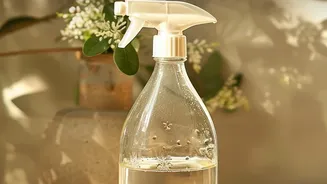
The humble soapy water spray is another remarkably effective tool. It works on a simple mechanical principle. The soap dissolves the waxy outer layer that protects soft-bodied insects, causing them to dehydrate and die. This method is particularly useful for tackling active infestations of aphids, mealybugs, and spider mites. The key is to use the right kind of soap. Harsh detergents or dish soaps with degreasers can strip a plant's natural protective oils and damage its leaves. Instead, opt for a mild, pure liquid soap, such as castile soap, which is plant-based and gentle. This simple solution is easy to prepare and provides an immediate response to visible pest problems.
How to Prepare Your Natural Sprays
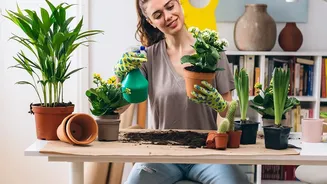
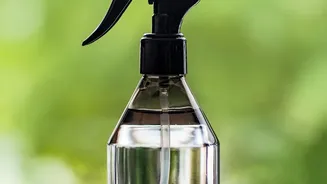
Creating these sprays at home is both simple and cost-effective. For a basic neem oil spray, mix 1 teaspoon of cold-pressed neem oil with 1 litre of warm water. Add about half a teaspoon of mild liquid soap, which acts as an emulsifier to help the oil and water mix properly. Shake the solution well in a spray bottle before use. For a simple soapy water spray, mix 1-2 teaspoons of mild liquid soap into 1 litre of water. It is crucial to make fresh batches of these sprays before each use, as neem oil in particular can break down quickly in water.
Best Practices for Safe Application
To ensure you help your plants without harming them, follow a few key guidelines. Always perform a 'patch test' by spraying a small leaf and waiting 24 hours to check for signs of stress or burning before treating the entire plant. Apply these sprays in the early morning or late evening, as spraying in direct, harsh sunlight can cause the oil to burn the leaves. Pests often hide on the undersides of leaves, so be sure to coat all surfaces of the plant thoroughly. For preventative care, a weekly or bi-weekly spray is often sufficient. For an active infestation, you may need to apply the spray every few days until the pests are gone.
Truly Eco-Conscious and Effective
The reason these methods are favoured by eco-conscious gardeners goes beyond just avoiding chemicals. Neem oil is biodegradable and breaks down quickly in the environment, leaving no harmful residue in the soil or water. When used correctly, it is generally safe for beneficial pollinators like bees and earthworms that aren't targeted directly. It is also considered safe to use in homes with pets and children, provided it is not ingested. Soapy water is similarly low-impact. By choosing these natural solutions, plant owners are not just treating pests; they are nurturing a healthier, more balanced micro-ecosystem on their balconies.