




The High Price of Immobility
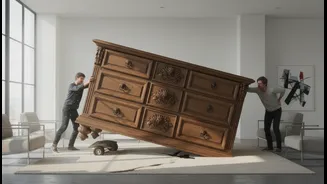
The initial cost of a large piece of furniture is just the beginning. The real expenses pile up over time. Heavy or oversized items often require professional movers, who may charge premium fees for handling bulky pieces. If the item needs to be navigated
through tight hallways, stairwells, or small elevators, the costs can escalate further due to the extra time and labour involved. There is also a significant risk of damage—not just to the furniture itself, but to your home. Scraped walls, dented door frames, and scratched floors are common casualties when moving large items, leading to repair costs you may not have anticipated. Some apartment buildings even have strict rules about moving, with potential fines for causing damage or failing to book a service elevator.
When Your Home Becomes a Prison
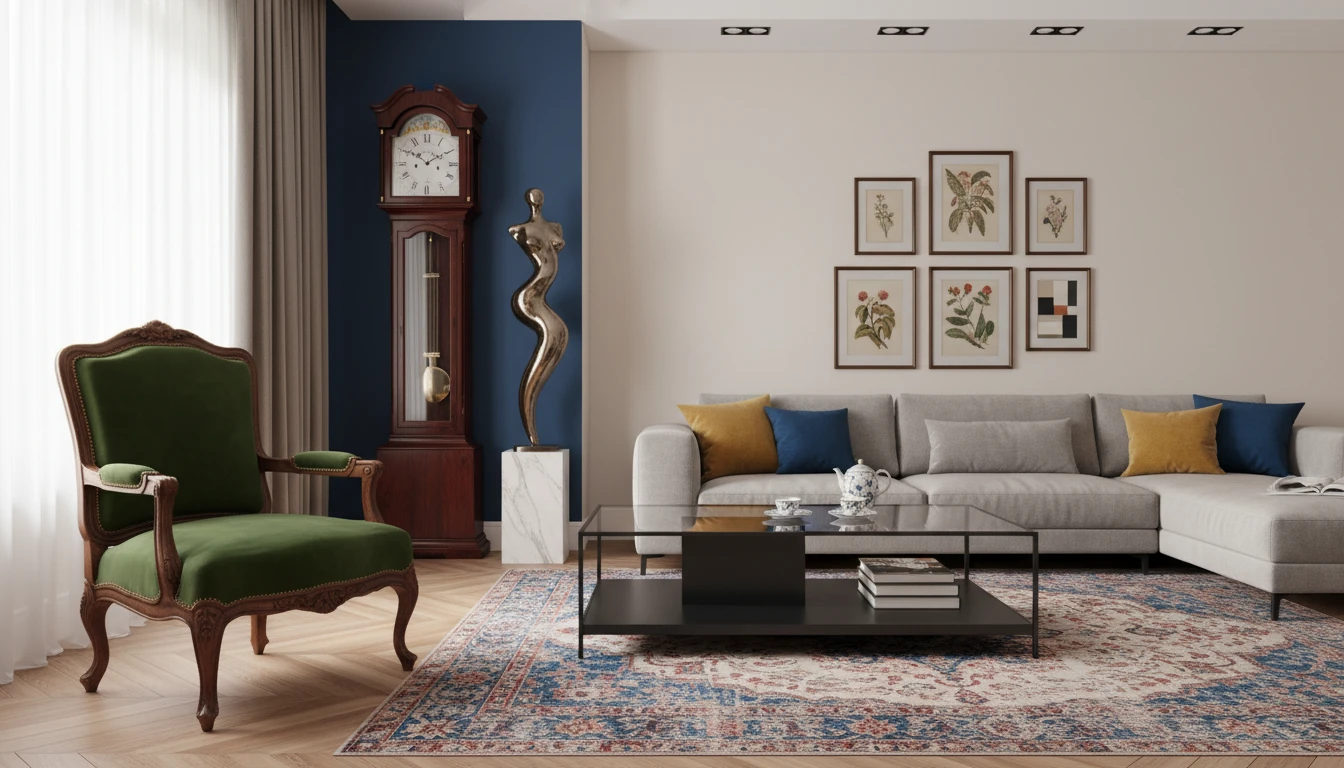
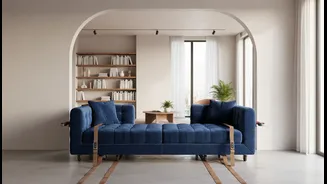
One of the greatest joys of decorating a home is the ability to refresh the space by rearranging the layout. However, a massive, immovable piece of furniture can turn your living room into a static display. You lose all flexibility to adapt the room for social gatherings, change the flow of traffic, or simply get a new look. This lack of adaptability is especially problematic in smaller homes or apartments, where every square foot matters. An oversized sofa can make a room feel cramped and block walkways, while a heavy wardrobe can dominate a bedroom, making it feel less restful. The piece you once loved can start to feel like an anchor, holding your home's potential hostage.
The Resale and Downsizing Dilemma
Life changes. You might move to a new city, downsize to a smaller home, or simply want to update your style. This is where heavy, large, or highly-customised furniture presents its biggest challenge. The resale market for such items can be extremely limited. Most buyers are looking for pieces that are easy to transport and will fit in a variety of spaces. Large items often mean "pickup only," which drastically shrinks your pool of potential buyers. Consequently, oversized furniture can lose 50-80% of its value simply due to the logistical challenges of selling it. While high-quality, solid wood pieces from well-known brands tend to hold their value better, mass-market items depreciate almost immediately.
Choosing Wisely: A Guide to Flexible Furnishing
Avoiding the heavy furniture trap doesn't mean sacrificing style or quality. It’s about making smarter, more flexible choices. Before buying any large item, measure everything: your doorways, hallways, stairwells, and the room itself. Opt for modular furniture, like sectional sofas that can be reconfigured or separated into smaller pieces. Consider pieces with a lighter visual weight—those with visible legs make a room feel more open. Instead of one massive bookshelf, consider two or three smaller, matching ones that can be arranged together or used in different rooms. Investing in high-quality, timeless designs made from durable materials will serve you better in the long run than a trendy but cumbersome piece.