





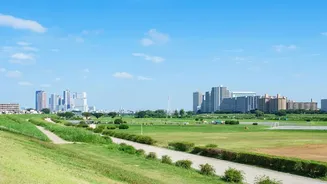

The persistent haze, the constant noise, the feeling of being drained by city life. For a growing number of Indians, the solution isn't just a vacation, but a specific type of escape: the 'urban recovery holiday'.
The Rise of the Recovery Getaway
The term ‘urban recovery holiday’ describes
a travel trend born out of necessity. It’s a short break taken not for sightseeing, but for the simple, vital purpose of escaping polluted urban environments. Residents of cities like Delhi, Mumbai, and Bengaluru are increasingly planning trips based on air quality forecasts rather than long weekends. The goals are fundamental: to breathe clean air, sleep without a cough, and let children play outside safely. This isn't about luxury; it's about reclaiming basic well-being. During peak pollution weeks, travel agencies have noted a significant uptick in bookings from smog-affected regions, with many trips being last-minute decisions made by families and remote workers desperate for a respite.
More Than a Vacation, It's a Health Reset
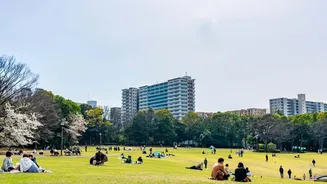
Life in a megacity takes a physical and mental toll. Prolonged exposure to high levels of particulate matter is linked to a host of health issues, including respiratory diseases, cardiovascular problems, and overall reduced quality of life. An urban recovery holiday acts as a powerful antidote. The most immediate benefit is respiratory relief. Swapping city smog for the crisp, clean air of the mountains or the fresh sea breeze can have a profound effect. But the benefits go deeper. Studies have shown that spending time in nature reduces stress, lowers blood pressure, and improves focus. The Japanese practice of 'Shinrin-yoku', or forest bathing, is a key part of this. It involves slowly immersing yourself in a forest environment, engaging all your senses. This isn't about strenuous hiking; it's about mindful presence, which has been shown to calm the nervous system and improve emotional well-being.
Finding Your Clean Air Sanctuary
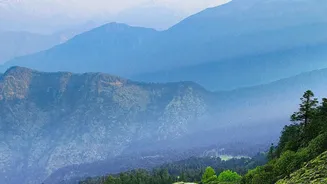
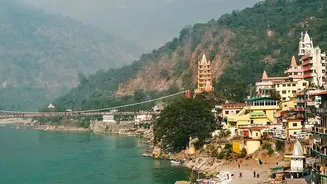
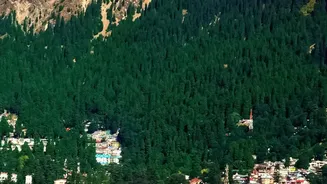
Fortunately, India offers a diverse range of destinations perfect for a restorative break. For those in North India, the Himalayas are a natural choice. Hill stations like Shimla have become popular refuges for people fleeing hazardous air quality in Delhi, Punjab, and Haryana. Destinations in Uttarakhand such as Rishikesh, Nainital, and the area around Jim Corbett National Park offer a mix of clean air and wellness experiences. Kasauli and the Tirthan Valley in Himachal Pradesh are other excellent options. In the south, the Western Ghats provide a lush, green escape. Coorg and Chikmagalur in Karnataka, known for their coffee plantations and dense forests, are ideal for reconnecting with nature. The coastal towns of Gokarna in Karnataka and Varkala in Kerala offer the dual benefit of sea breezes and serene, natural settings. For those willing to travel further, states like Sikkim and Mizoram consistently report some of the country's lowest pollution levels.
The Art of Mindful Disconnection
To make the most of an urban recovery holiday, the key is intention. This is a time to detox not just from polluted air, but also from the digital noise that dominates city life. Many wellness retreats now incorporate forest bathing, yoga, and meditation into their programs, guiding guests to slow down and reconnect with their surroundings. At places like Aahana Resort in Corbett or SwaSwara in Gokarna, the experience is structured around nature walks, mindfulness sessions, and simply being present. Even without a formal retreat, you can practice the principles yourself. Choose accommodations away from busy market areas. Dedicate time to walk without a destination, listen to the sounds of the forest, and breathe deeply. A Stanford-led study even found that spending stationary, quiet time in green spaces can be more effective at reducing depression and anxiety than active pursuits. The goal is to allow your body and mind the space to heal and reset.