


Understanding the 'Wet-Coat Cascade'
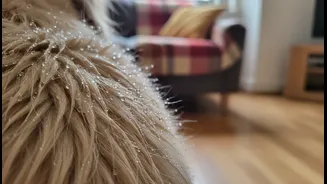
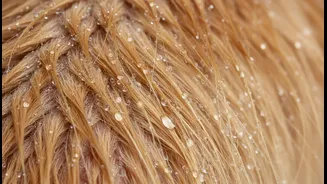
The term “wet-coat skin pathology sequence” sounds alarming, but it simply describes a chain reaction that begins with trapped moisture. For a Golden Retriever, the dense, water-resistant double coat that keeps them warm can also lock in dampness right
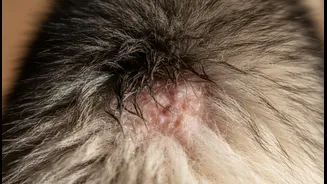
against the skin. This creates a humid microclimate perfect for bacteria and yeast to multiply. Similarly, a Shih Tzu's long, silky hair can mat easily, trapping water and preventing air circulation. This lingering moisture compromises the skin's natural barrier, leading to irritation. Your dog's instinct is to lick or scratch the spot, causing self-trauma that opens the door to painful conditions like acute moist dermatitis, better known as “hot spots”. These are rapidly developing, inflamed, and oozing lesions that can be very painful. This cycle of moisture, irritation, scratching, and infection is the sequence every owner wants to avoid.
The Art of the Thorough Dry
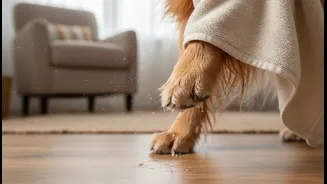
Prevention starts the moment your dog gets wet, whether from a bath, a swim, or a walk in the monsoon rains. A simple towel-dry is often not enough for these breeds. For both Goldens and Shih Tzus, start by gently squeezing out excess water and then using multiple absorbent towels to pat them down. Avoid vigorous rubbing, which can cause tangles in a Shih Tzu's coat. The real game-changer is a high-velocity pet dryer. Used on a cool or low-heat setting, it has the power to separate the fur and dry the dense undercoat of a Golden or the thick hair of a Shih Tzu right down to the skin. Always keep the dryer moving to avoid concentrating heat in one spot, and work in sections from the rear of the dog forward to be systematic. Making sure the skin itself is dry, not just the top layer of fur, is the single most effective step you can take.
Proactive Grooming for Healthy Skin
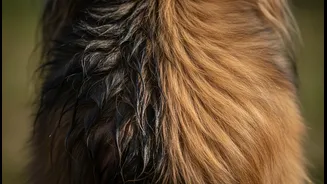
Regular grooming is non-negotiable for preventing moisture-related skin issues. For Golden Retrievers, daily brushing with a slicker brush and an undercoat rake is essential. This removes dead hair, prevents the undercoat from becoming impacted (which traps moisture), and allows air to circulate. For Shih Tzus, daily brushing is vital to prevent mats from forming. Mats act like tight sponges against the skin, holding dirt and moisture, which inevitably leads to irritation and infection. Keeping the hair trimmed short in a 'puppy cut' can make maintenance significantly easier and reduce the risk of trapped moisture. Regular professional grooming every 4-8 weeks can help manage the coat and allows a trained eye to spot any emerging skin problems.
Spotting the Early Warning Signs
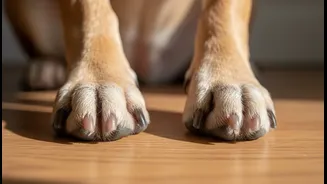
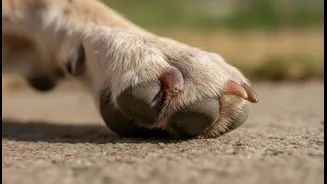
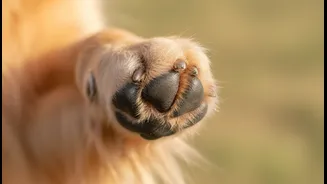
Catching a skin problem early can prevent weeks of discomfort for your dog and complex treatment for you. Be vigilant and check your dog's skin and coat daily, especially after they've been wet. Look for any of the following early warning signs: persistent scratching, licking, or chewing at a specific spot; redness or inflammation of the skin; a musty or foul odour that wasn't there before; a greasy feel to the coat; small bumps, pimples, or scabs. On a Golden, you might find these on the hips, neck, or base of the tail. On a Shih Tzu, pay close attention to skin folds, ears, and paws. If you notice any of these symptoms, it's time to act before a small issue becomes a major infection.
When to Involve Your Veterinarian
While good drying and grooming habits can prevent most issues, some situations require professional medical help. You should consult your veterinarian if a hot spot appears and grows rapidly, if there are open sores or pus, or if the skin is very red and painful to the touch. Likewise, if the itching is severe and you can't comfort your dog, or if the problem keeps coming back despite your best efforts, a vet visit is essential. Your veterinarian can accurately diagnose the issue, whether it's a bacterial infection, a yeast overgrowth like Malassezia dermatitis, or an underlying allergy. They can prescribe the necessary treatments, which may include medicated shampoos, topical creams, oral antibiotics, or anti-inflammatory medication to break the itch-scratch cycle and heal the skin from within.