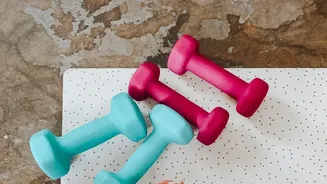








What Exactly Is an 'Exercise Snack'?
Forget protein bars. The term 'exercise snack' refers to very short periods of physical activity spread throughout your day. Instead of one long 30-minute workout, you might do several one- to five-minute bursts of movement. The idea is to break up long periods of sitting
with brief, accessible activities. Think of it as grazing on movement rather than committing to a full-course fitness meal. This approach makes exercise less daunting and easier to fit into a busy schedule, whether you're at home or in the office.
The Science of Post-Meal Spikes
When you eat, especially a meal rich in carbohydrates, your body breaks it down into glucose (sugar), which enters your bloodstream. This causes your blood sugar to rise. In response, your pancreas releases insulin, a hormone that helps shuttle glucose out of the blood and into your cells for energy. However, large, rapid spikes in blood sugar can, over time, contribute to health issues. Many people experience these spikes as a 'sugar crash' or sudden fatigue 60 to 90 minutes after eating. Moderating these spikes is a key strategy for better energy levels and long-term metabolic health.
How Movement Blunts the Spike
This is where exercise snacks come in. When your muscles contract during physical activity, they need fuel. They get this by pulling glucose directly from your bloodstream. This process happens quickly and can even work independently of insulin, making it a powerful tool for lowering blood sugar. By strategically timing a short bout of movement after a meal, you essentially create a demand for the glucose that's just entering your system. Your working muscles soak it up, which helps to lower the overall peak of the blood sugar spike and leads to a more gradual rise and fall.
What the Research Suggests
Multiple studies and meta-analyses confirm that interrupting sitting with short bouts of activity can significantly reduce post-meal glucose levels. Research shows that even two to five minutes of walking after a meal can have a measurable effect. One study review found that advising people to walk for just 10 minutes after each main meal was more effective for blood sugar control than a single 30-minute walk. The benefits appear most pronounced when the activity happens soon after eating, ideally within the first 60 to 90 minutes when blood sugar levels are peaking. While even standing helps, light-intensity walking seems to be significantly more effective.
Easy Exercise Snacks to Try Today
The best part about exercise snacks is their flexibility; no gym or special equipment is required. The goal is to choose an activity that elevates your heart rate for a few minutes. You could try: - A brisk two- to five-minute walk around the office or your home after lunch. - Climbing a few flights of stairs instead of taking the lift. - Doing 15-20 bodyweight squats or lunges while waiting for your coffee to brew. - A minute of jumping jacks or marching in place during a commercial break. - Simple wall push-ups before you sit back down at your desk. The key is finding something you can do consistently. Even a single minute of vigorous movement can be beneficial.