






The Unforgiving Nature of Roads
Running is a high-impact activity, but the surface you run on makes a world of difference. When your foot strikes hard, unyielding surfaces like asphalt or concrete, there’s very little give. A significant amount of that impact force travels back up your leg,
straight into your joints. The knee, being a major hinge joint responsible for absorbing shock, takes the brunt of this repetitive stress. Over thousands of strides, this can contribute to common running ailments like patellofemoral pain syndrome (runner's knee), IT band syndrome, and general joint soreness. While good running shoes and proper form can mitigate some of this, the fundamental physics remain: pavement is not your friend when it comes to impact absorption.
Why Dirt and Grass are Different
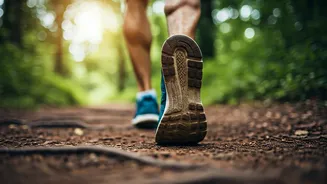
Now, picture running on a forest trail. The surface is a mix of packed dirt, leaves, and maybe a little mud. This is where the magic happens. Earthen paths are naturally softer and more compliant. When your foot lands, the ground itself deforms slightly, absorbing a portion of the impact force before it ever reaches your body. Think of it like the difference between dropping a glass on a tile floor versus a plush carpet. Studies on ground reaction forces confirm that running on softer surfaces significantly reduces the peak impact that travels through the lower limbs. This simple change can lessen the cumulative load on your knee cartilage and surrounding tissues over the course of a run, making it a fundamentally gentler experience for your joints.
The Hidden Benefit of Uneven Ground
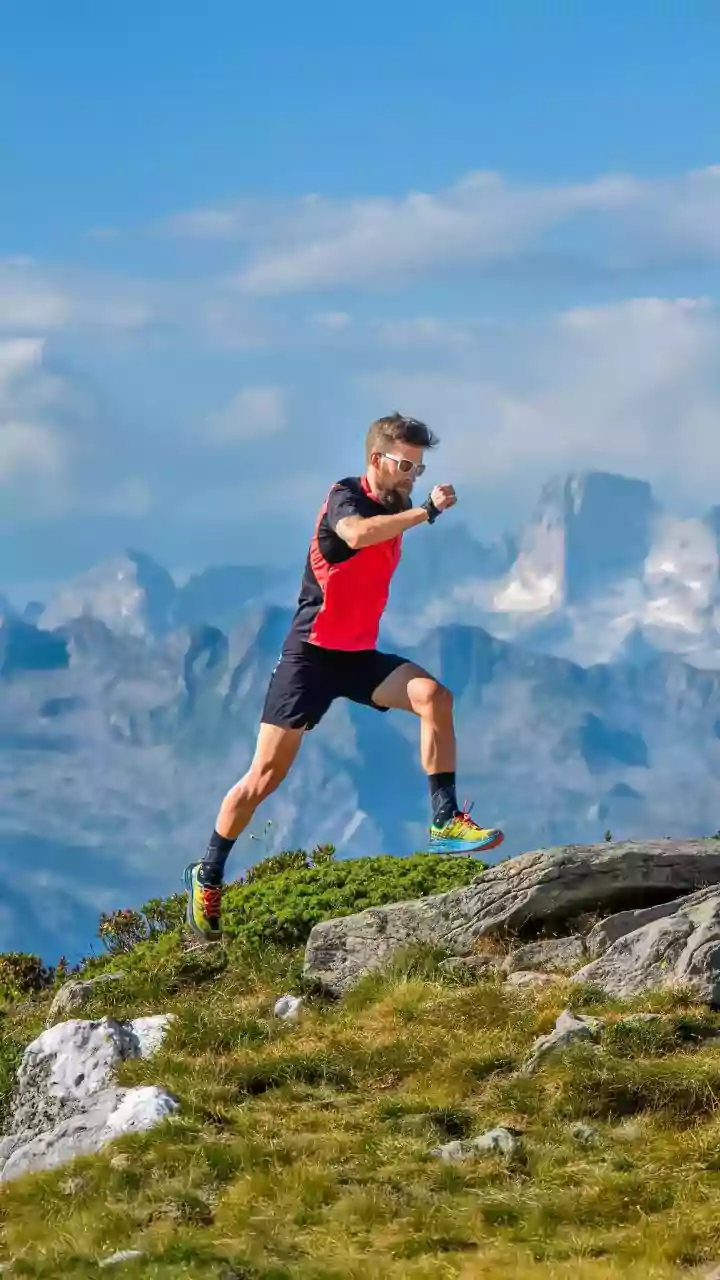
The benefits of trail running go far beyond a softer landing. The varied and unpredictable nature of a trail is, paradoxically, one of its greatest strengths. Unlike the monotonous, flat surface of a road, a trail forces your body to constantly adapt. Your feet land at slightly different angles with every step, and you have to navigate small rocks, roots, and changes in elevation. This constant, subtle challenge engages a wider array of muscles in your feet, ankles, and hips. It enhances your proprioception—your body's innate sense of its position in space. This essentially trains the small stabiliser muscles around your knee and ankle to fire more effectively, creating a stronger, more responsive support system for the joints themselves. A road runner might have strong forward-propulsion muscles, but a trail runner builds 360-degree stability.
Building a Stronger Running Body
Because trail running demands more from your body in terms of balance and stabilisation, it promotes more holistic strength. Navigating ascents and descents engages your glutes and core more profoundly than running on a flat road. Side-stepping obstacles brings your hip adductors and abductors into play. This full-body engagement helps correct muscular imbalances that often contribute to running injuries. When your glutes and core are strong, they help control the movement of your femur (thigh bone), preventing the inward knee collapse that is a common cause of knee pain. In this way, trail running doesn't just reduce impact; it actively builds a more resilient, injury-proof body.
Making the Switch Safely
While trails are kinder on the knees in terms of impact, they introduce new challenges, primarily the risk of twisted ankles or falls. If you’re used to road running, make the transition gradually. Start with well-groomed, relatively flat trails before tackling more technical terrain. Invest in a pair of trail-specific running shoes, which offer better grip, stability, and underfoot protection. Most importantly, change your mindset. Slow down. Forget about your road pace. Pay attention to the ground in front of you, lift your feet a little higher, and focus on nimble, quick steps rather than long, powerful strides. Let your body adapt to the new demands and enjoy the mental benefits of being immersed in nature.