





Embrace the Art of Layering
The single most effective strategy for multi-climate packing is layering. Instead of packing bulky sweaters and heavy coats, think in terms of three distinct layers that work together to keep you comfortable. The concept is simple: a base layer to manage
moisture, a middle layer for insulation, and an outer layer to protect you from wind and rain. In hot, humid weather, you might only wear your base layer. As you ascend into colder mountain air, you can add the mid-layer, and if it gets windy or wet, the shell goes on top. This system gives you multiple outfit combinations and precise temperature control without the weight of single-purpose items.
Choose Your Fabrics Wisely
The right materials are crucial for both comfort and a light suitcase. For your base layer—the clothes closest to your skin—choose fabrics that wick moisture. Merino wool is a top performer; it's breathable, helps regulate body temperature in both heat and cold, and is naturally odour-resistant, meaning you can wear it more and wash it less. Synthetics like polyester and nylon are also excellent choices, especially for active pursuits, as they dry very quickly. For your insulating mid-layer, think lightweight fleece, a thin cashmere or merino sweater, or a packable down or synthetic-fill jacket. These provide impressive warmth for their weight and can be compressed to save space.
Curate a Versatile Wardrobe
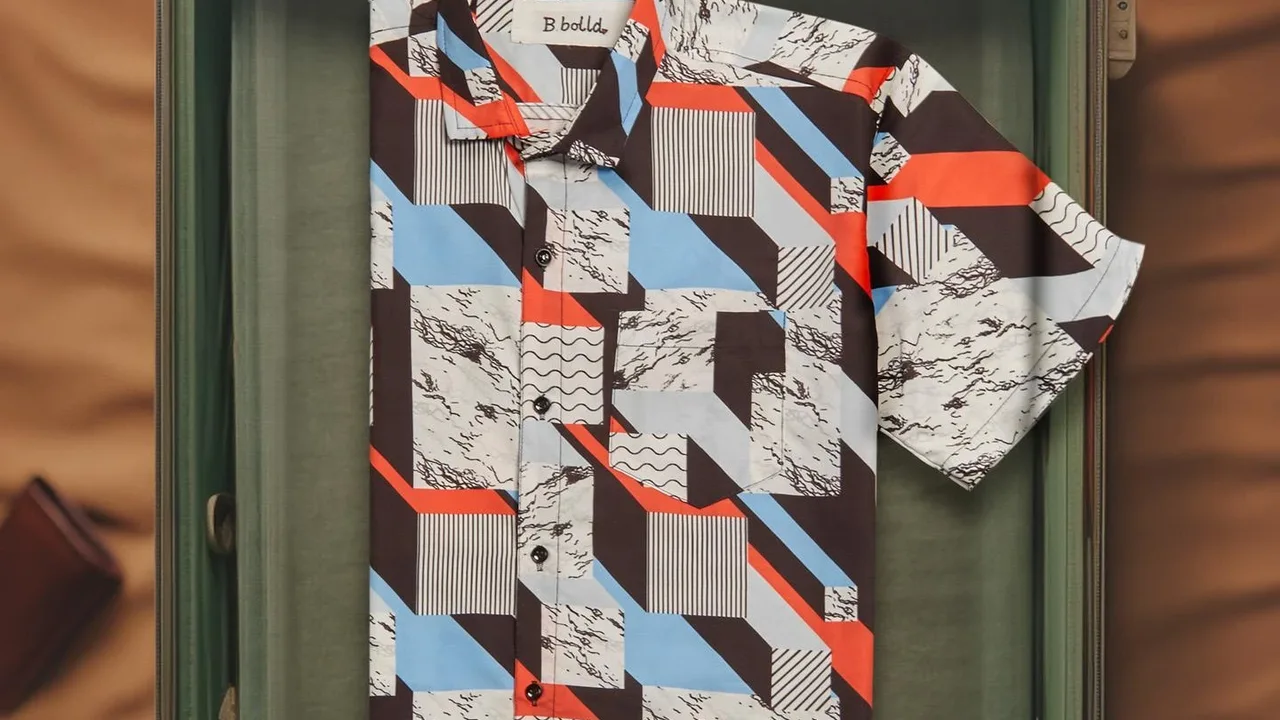
Every item in your bag should earn its spot by serving multiple purposes. Choose neutral colours like black, grey, navy, and tan for your main pieces, which makes mixing and matching effortless. A pair of comfortable, well-fitting trousers can work for a city walk, a light hike, and a casual dinner. A chambray or linen shirt can be worn alone in the heat, or as a light layer over a t-shirt in the evening. Consider convertible pants that zip off into shorts for maximum flexibility. For outerwear, a high-quality, lightweight waterproof and windproof shell jacket is non-negotiable. It can be worn on its own during a tropical downpour or layered over your insulating jacket in the mountains.
Solve the Footwear Puzzle
Shoes are often the bulkiest items in a suitcase, so limiting yourself to two, or at most three, pairs is key. Your choices depend on your itinerary, but a good strategy is one pair for walking and one for everything else. Consider a comfortable, water-resistant trail runner or walking shoe that can handle city streets and moderate mountain paths. For your second pair, choose something that complements your other activities. This could be a pair of sandals or flip-flops for the beach or a pair of simple flats or loafers that can be dressed up for evenings out. Always wear your heaviest pair of shoes on the plane to save valuable luggage space and weight.
Smart Accessories Are Key
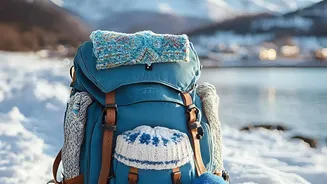
Accessories are a lightweight packer's best friend. They take up minimal space but can dramatically increase your comfort and the versatility of your wardrobe. A large scarf or a Buff can protect your neck from the sun, add a layer of warmth in the cold, or serve as a stylish accessory for dinner. A warm beanie and a pair of lightweight gloves are essential for mountain climates and weigh next to nothing. Sunglasses are a must for both sunny beaches and snow-glare at altitude. By choosing these small but mighty items, you can adapt to changing conditions without adding bulk.