








Beyond the Creative Fields
Digital portfolios are no longer just for artists and designers. [7] For professionals in finance, marketing, project management, and technology, a portfolio is a powerful tool to visually demonstrate your capabilities. [5, 15] While a resume summarises
your experience, a portfolio provides tangible proof. It allows you to present case studies, project outcomes, reports, and presentations that show exactly what you can accomplish for a potential employer, giving them a firsthand look at your value. [9, 16] This moves the conversation beyond what you say you can do to what you have already done.
Crafting Your Digital Showcase
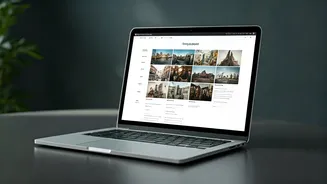
Your digital portfolio should be a curated collection of your best work, not an exhaustive list of every task you've ever completed. [5, 11] Quality over quantity is the rule. [19] Start by selecting four to ten strong, relevant projects that align with the roles you are targeting. [19] For each project, include a brief description of the challenge, the actions you took, the skills you applied, and, most importantly, the measurable results or outcomes. [16, 19] This could be data on sales growth, cost savings from a project you managed, or testimonials from previous clients or managers. [15] The goal is to build a narrative around your accomplishments. [5]
Choosing the Right Platform
You don't need to be a web developer to create a polished online portfolio. Many platforms offer user-friendly templates. [8, 12] A personal website built on a platform like Squarespace or Wix offers maximum control and a professional look. [13, 14] For those in tech, a well-organized GitHub profile can serve as a portfolio. Even a detailed LinkedIn profile, complete with media and project descriptions in the 'Featured' section, can work as a starting point. [17, 18] The key is to choose a platform that is easy to navigate, mobile-friendly, and allows your work to shine without distraction. [23]
Strategic Link Placement
Once your portfolio is ready, you need to make sure recruiters see it. The most effective place to put your portfolio link is in the contact information section at the top of your resume, alongside your email and LinkedIn profile. [2, 3, 4] This ensures it's one of the first things a hiring manager notices. [4] Use a clear and professional URL, such as yourname.com or yourname.dev/portfolio. [6] You can also include the link in your email signature, on your social media profiles, and within the body of your resume by hyperlinking specific projects mentioned in your experience section. [2, 3] Always ensure your links are clickable and tested before sending your application. [3, 23]