



Beyond the Everyday Chai
For many Indians, tea is a daily ritual, a comforting start to the day or a welcome afternoon pause. But a growing movement is transforming tea from a simple habit into a conscious experience. Discerning drinkers are looking beyond mass-produced tea bags,
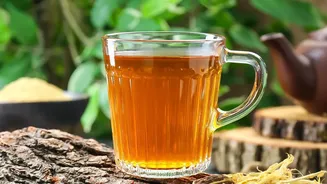
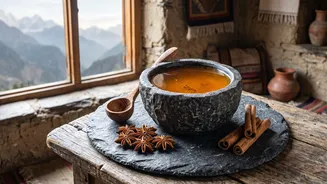
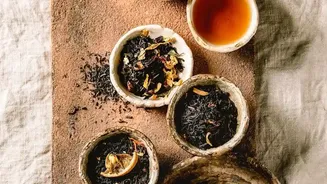
seeking ethically sourced, artisanal blends that offer a deeper connection to their origins. In this search, a fascinating category is emerging: smoked herbal decoctions from Sikkim. These are not your typical masala chai or even orthodox black teas. They are complex, aromatic infusions made from a blend of wild mountain herbs, prepared using age-old techniques that are as much a part of the landscape as the Himalayas themselves.
A Tradition Forged in Mountain Air
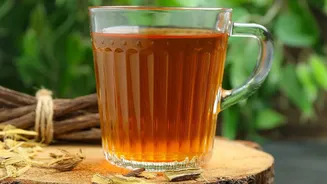
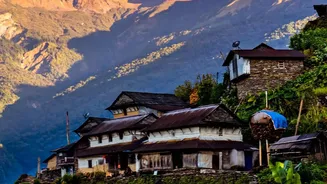
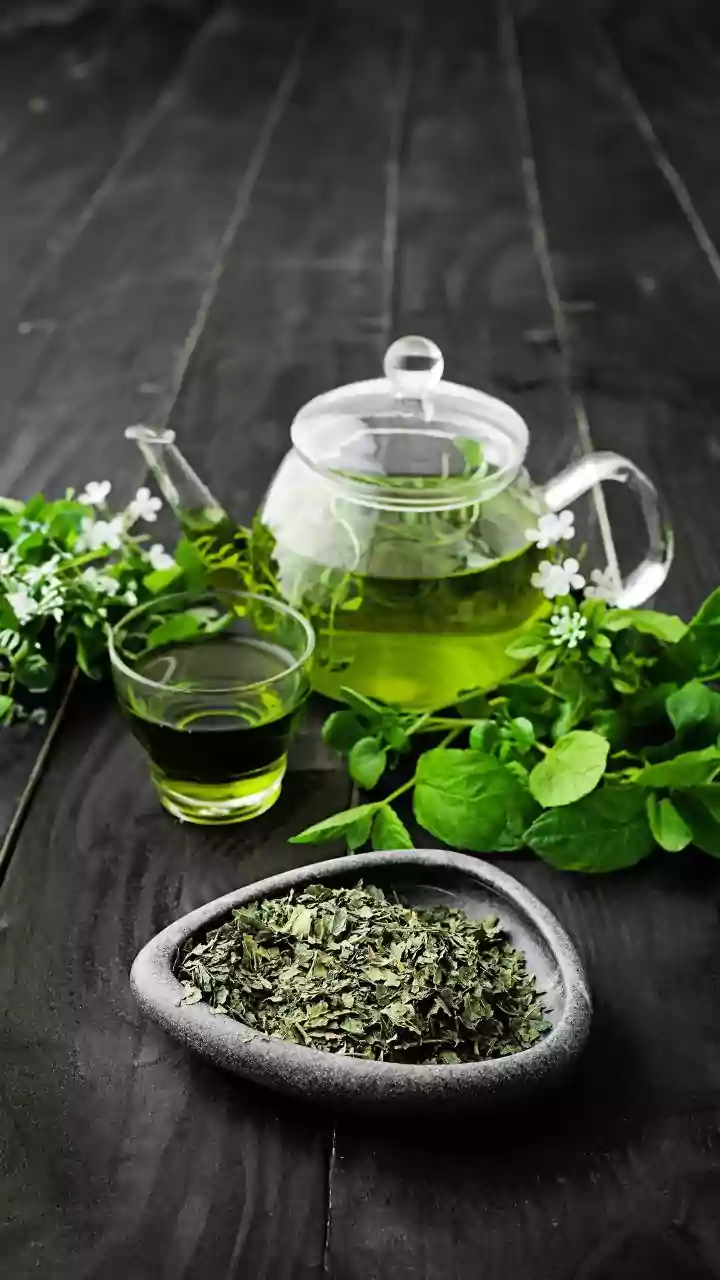
Sikkim's clean air, cool climate, and rich biodiversity have made it a natural pharmacy for centuries. Local Lepcha, Bhutia, and Nepali communities have long relied on a vast array of medicinal plants for health and wellness. This knowledge, passed down through generations, is deeply woven into daily life, where herbs are used in everything from soups and chutneys to healing balms and ritual drinks. A 'decoction' is a traditional method of extraction, where tough plant parts like roots and barks are simmered in water to release their beneficial compounds. This practice forms the basis of many local remedies for common ailments like fever, digestive issues, or fatigue.
The Unique Art of Smoking
What truly sets these Sikkimese preparations apart is the element of smoke. While smoked black teas like Lapsang Souchong from China are well-known, the practice in Sikkim is rooted in local tradition, often involving different botanicals and methods. Historically, smoking was a preservation technique. Today, it imparts a unique, complex flavour profile that can range from subtly earthy to richly savoury, depending on the herbs and wood used. The process is an art form, with artisans carefully controlling the exposure to smoke to enhance, not overpower, the natural character of the herbs. This technique adds a layer of warmth and depth that is both intriguing and deeply comforting, offering a sensory experience that is completely distinct from other teas.
The Mindfulness Connection
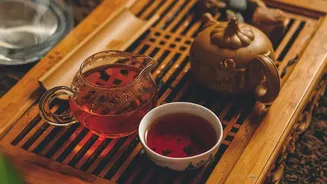
So, why the growing appeal among 'mindful' tea lovers? The answer lies in the ritual. In our fast-paced, screen-dominated lives, there's a growing desire for purposeful pauses. The act of preparing and drinking tea is becoming an accessible form of mindfulness, a chance to slow down and engage the senses. A smoked herbal decoction, with its complex aroma and layered taste, demands this kind of attention. It encourages you to notice the subtle notes, the warmth, the evolving flavour with each sip. It’s an experience that anchors you in the present moment. Furthermore, these teas represent a connection to something real and rooted—a specific place, an ancient culture, and a natural way of life that feels increasingly distant for many urban dwellers.
From Village Hearth to Urban Cup
This shift towards wellness and conscious consumption has not gone unnoticed. While you may not find these specific smoked decoctions in your average supermarket, a growing number of artisanal brands and online tea boutiques are championing niche Indian teas. They focus on traceability, telling the story behind each blend and highlighting the communities that produce them. Consumers are increasingly willing to seek out these unique offerings, drawn by the promise of quality, authenticity, and a taste that tells a story. As more people explore the world of specialty teas, these smoky, herbaceous brews from the Himalayan villages of Sikkim are finding a well-deserved place in the cups of those who seek more than just a beverage, but an experience.