

Plan Your Menu Like a Pro
A successful feast begins long before the stove is lit. Start by finalising your guest list to get an accurate headcount, making sure to ask about any dietary restrictions or allergies. Planning your menu at least a week in advance is crucial. Aim for a balanced
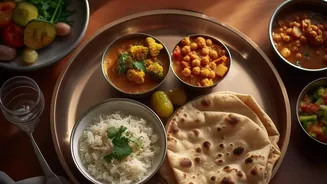
spread that includes a mix of textures and flavours, but don't overcomplicate it. A good rule of thumb is to choose one or two star non-vegetarian dishes (if applicable), a popular paneer dish, a versatile dal or lentil curry, a vegetable side dish (sabzi), a rice preparation like a pulao, and a raita. Sticking to tried-and-tested recipes you are comfortable with is much wiser than attempting a complex new dish for the first time. Don't be afraid to mix homemade dishes with a few high-quality store-bought items to save time.
The Magic of Make-Ahead Prep
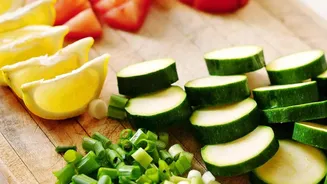
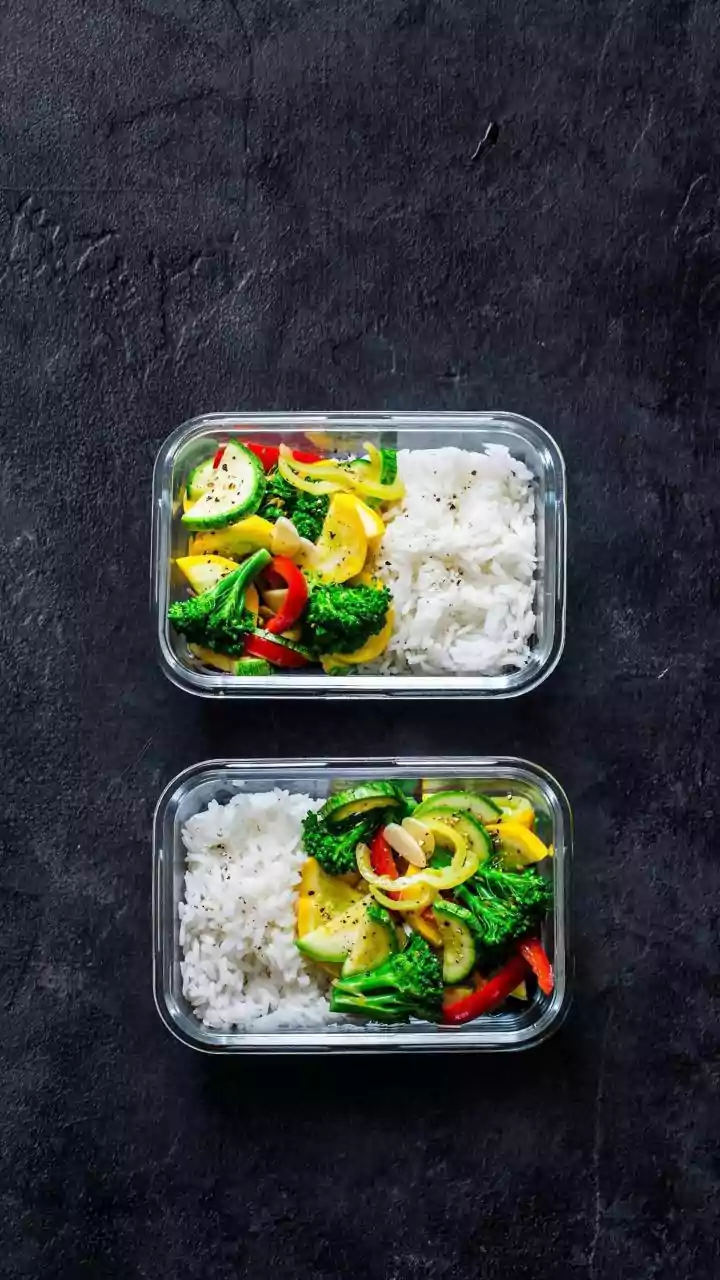
Your best friend during festive cooking is your refrigerator and freezer. Spreading the workload over several days is the key to staying calm. Many Indian dishes can be partially or fully prepared in advance. Curries and dals often taste even better the next day as the flavours meld together. You can cook base gravies, chop vegetables, and prepare marinades one or two days before the event. Appetizers like samosas or kababs can be prepped and frozen, ready to be fried or baked on the day. Even desserts like kheer or gulab jamun can be made a day ahead. By getting these tasks out of the way, you free up valuable time and energy for the main event.
Smart Cooking Day Strategies
On the day of the gathering, the goal is to assemble and finish, not start from scratch. Begin by taking out any refrigerated dishes a few hours before serving to bring them to room temperature. Use a written schedule to time your cooking, ensuring everything is hot and ready at the same time. Embrace appliances that can work in the background, like a slow cooker for dal or a pressure cooker for rice and chickpeas. Don’t hesitate to delegate. Most guests are happy to help, so if someone offers, let them warm up the naans, toss a salad, or help set the table. This not only eases your burden but also makes guests feel more involved and welcome.
Dishes That Delight a Crowd
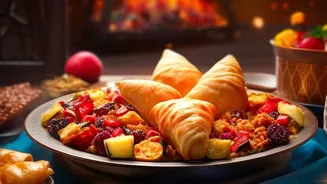
When cooking for many, choose dishes that are easy to scale and serve. Biryani, whether vegetable, chicken, or mutton, is a classic one-pot meal that is perfect for large gatherings. A Panchratna Dal, which uses a blend of five lentils, is a nutritious and universally loved option. For appetizers, chaat items like Bhel Puri or Dahi Puri can be easily assembled and cater to a love for tangy, spicy flavours. Paneer Tikka is another crowd-pleaser that can be prepared in advance. For dessert, consider something simple like a fruit chaat or a large bowl of kheer, which can be served easily and pleases all age groups.
Serving with Style and Sanity
Presentation can elevate a simple meal into a feast. However, this doesn't need to be complicated. A buffet-style arrangement is often the most practical solution for a large group, as it allows guests to serve themselves and choose their own portions. Before your guests arrive, lay out all your serving dishes, platters, and cutlery. Using disposable plates and cutlery, especially for children, can significantly reduce your post-party cleanup load. Finally, instead of playing bartender, prepare a large batch of a signature drink, like a festive punch or lemonade, and let guests help themselves. This keeps things simple and allows you to enjoy the company of your loved ones.