








The Great Indian Home Office Squeeze
When work-from-home became the norm, many of us made do with temporary setups. Laptops on dining tables, files stacked on side tables, and conference calls from the corner of a bedroom became commonplace. But as hybrid work solidifies into a long-term
strategy for many Indian companies, employees are seeking permanent, more ergonomic solutions that don’t require an entire room. This is especially true in urban apartments where every square foot is precious. The need to create a functional, dedicated workspace without sacrificing living area is driving the surge in demand for furniture that is clever, compact, and adaptable. Enter the modular desk, a category that has seen a significant uptick in interest from consumers looking to professionalise their home setup.
What Exactly Is a Modular Desk?
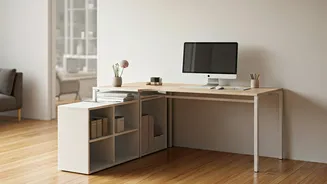
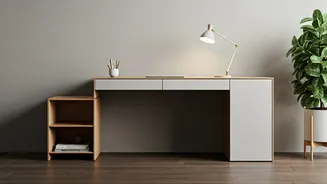
The term ‘modular’ simply means something is made of independent, standardised units that can be arranged in various ways. A modular desk isn't just one piece of furniture; it's a system. Think of it like building blocks for your workspace. It might be a simple desk that can be expanded with attachable shelves, drawers, or cabinets as your needs grow. Some of the most popular space-saving designs include wall-mounted desks that fold away when not in use, ladder desks that use vertical space for storage, and corner units designed to fit snugly into unused nooks. The core idea is flexibility. You get to configure the desk to fit your specific space and workflow, rather than forcing a traditional, bulky table into a room that can’t handle it.
Key Benefits of Going Modular
The primary advantage is, of course, space efficiency. A foldable or wall-mounted desk can give you back your living room or bedroom at the end of the workday, helping create a crucial mental separation between work and personal life. The second major benefit is versatility. A simple writing desk today can become a more complex workstation tomorrow by adding a hutch for monitors or a side unit for a printer. This adaptability means your investment lasts longer. Finally, these desks excel at organisation. With integrated storage solutions like built-in shelves, drawers, and cable management systems, they help you maintain a clutter-free environment, which is proven to boost focus and productivity. A tidy desk leads to a tidy mind.
Features to Look For Before You Buy
When shopping for a modular desk, consider these essential features. First, look at the mechanism. If it’s a foldable desk, is the hinge sturdy and easy to operate? For wall-mounted units, ensure the mounting hardware is robust and suitable for your wall type (brick, concrete, or drywall). Second, assess the storage options. Do you need open shelves for easy access to books and files, or closed drawers to hide away clutter? Many modular systems offer both. Third, don't forget cable management. Look for desks with built-in grommets, trays, or clips to keep your charger cables, and monitor cords tidy and out of sight. Finally, consider the material and finish. It should not only be durable enough for daily use but also match the existing aesthetic of your home.
How to Choose the Right Fit for You
Before you start browsing, take a moment to assess your needs. Start by measuring the space you have available. Remember to account for the chair and room to move around. Next, think about your work style. Are you a minimalist who just needs a surface for a laptop? Or do you require a multi-monitor setup with space for documents and peripherals? Your answer will determine the surface area and load-bearing capacity you need. Also, consider ergonomics. The desk height should allow you to sit with your feet flat on the floor and your elbows at a 90-degree angle. Some modular desks even come with adjustable height options. By matching the desk's features to your specific spatial constraints and work habits, you’ll find a solution that feels custom-made for your home.