



Why 'In Season' Is a Smarter Choice
Before we dive into the delicious specifics, it's worth understanding why 'seasonal' is more than just a buzzword. When fruits are picked at their natural peak, they offer a host of benefits that out-of-season produce just can't match. First, there's
flavor. A strawberry picked in June tastes worlds apart from one grown in a hothouse in January. The sun and soil impart a depth and sweetness that artificial conditions can’t replicate. Nutritionally, fruits harvested in their prime often contain more vitamins and antioxidants. The longer produce has to travel from a distant farm and sit in storage, the more its nutritional value can degrade. Eating seasonally often means eating more locally, which supports your community's farmers and reduces the carbon footprint associated with shipping food across the country or the world. Finally, it’s easier on your wallet. When a fruit is abundant, its price naturally drops. Aligning your shopping list with nature's supply and demand is a simple way to save money while eating better.
Spring: A Time for Renewal
After a long winter, spring brings delicate, vibrant fruits that taste like a fresh start. This is the season for berries and tender stone fruits that signal warmer days ahead. Look for bright red strawberries, which are packed with Vitamin C and manganese. Unlike their winter counterparts, spring strawberries are often smaller, juicier, and bursting with flavor. Apricots also begin to appear, offering a good source of vitamins A and E. Their soft, velvety skin and sweet-tart flesh are perfect for snacking or adding to yogurt. Rhubarb, while technically a vegetable, is treated like a fruit in the kitchen and makes its classic appearance in pies and crisps, often paired with early-season strawberries.
Summer: The Peak of Sweetness
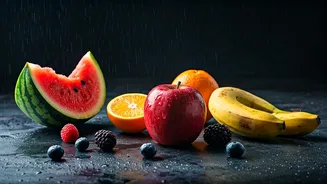
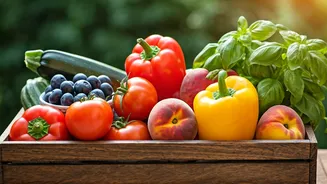
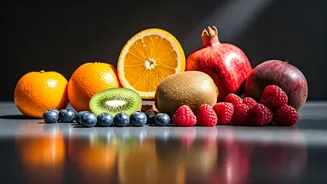
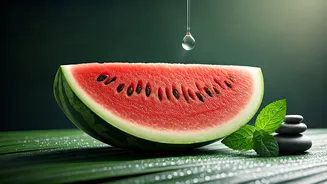
Summer is the undisputed king of fruit seasons, a time of abundance and peak sweetness. This is when you’ll find the market overflowing with nature's candy. Juicy watermelons, cantaloupes, and honeydews are incredibly hydrating and refreshing on a hot day. Peaches, plums, and nectarines are at their absolute best, dripping with juice and flavor—a far cry from the hard, mealy versions found off-season. And of course, there are berries galore. Blueberries, raspberries, and blackberries are antioxidant powerhouses. Their deep colors are a clue to their rich phytonutrient content. Summer is the time to eat fruit with abandon, enjoying it fresh, in salads, on the grill, or blended into smoothies.
Fall: The Crisp, Comforting Harvest
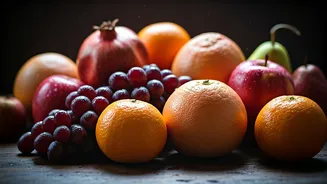
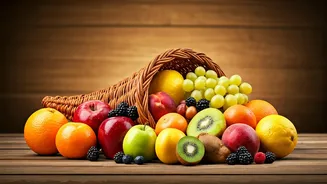
As the air turns crisp, the fruit selection shifts from delicate and juicy to sturdy and comforting. Fall is apple season, and the sheer variety is staggering. From tart Granny Smiths perfect for baking to sweet Honeycrisps ideal for snacking, there's an apple for every palate. Pears also come into their own, with varieties like Bartlett and Bosc offering a smooth, buttery texture. Grapes are another fall highlight, providing natural energy and hydration. This is also the season for figs, with their unique texture and honey-like sweetness, and the first appearance of pomegranates, whose jewel-like seeds are loaded with antioxidants and add a bright, tangy crunch to salads and desserts.
Winter: Bright Citrus and Hardy Gems
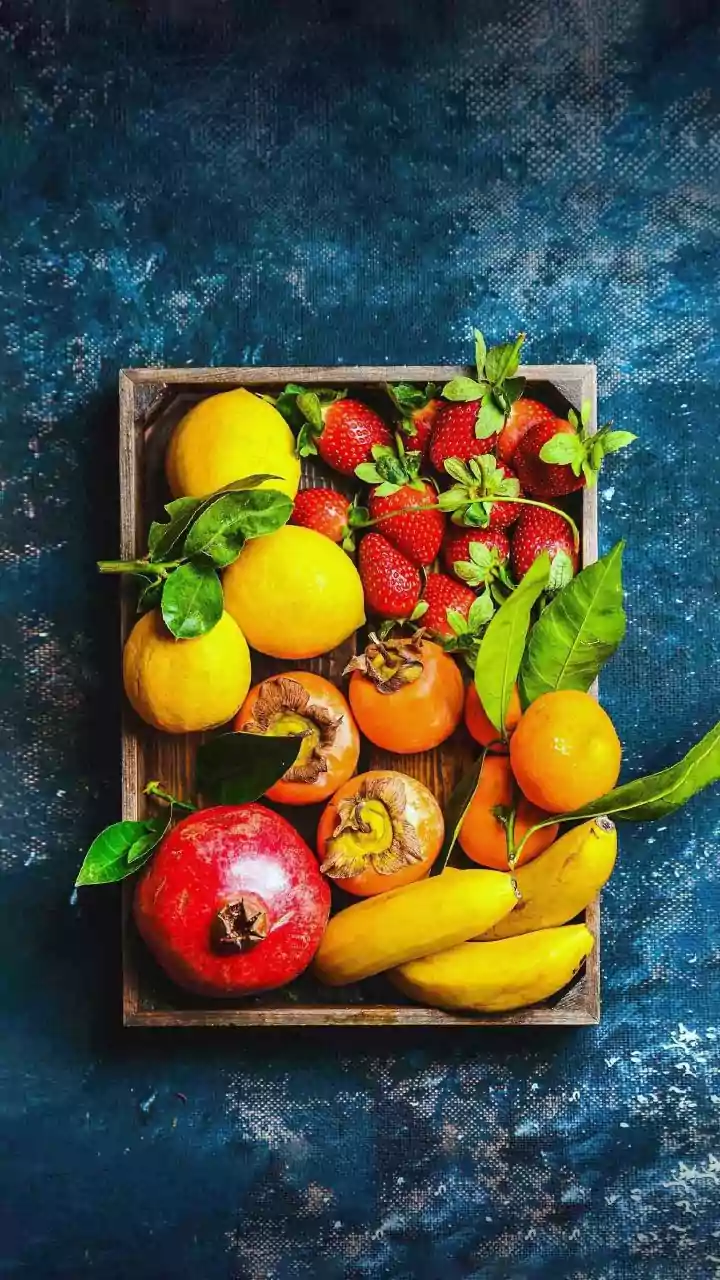
Just when you think fresh fruit is a distant memory, winter delivers a burst of sunshine in the form of citrus. Oranges, grapefruits, clementines, and lemons are at their peak during the colder months, providing a much-needed dose of Vitamin C to help support the immune system. These fruits traveled to us from warmer climates like Florida and California, where they are in their prime season. Beyond citrus, you can still find late-season pomegranates and persimmons, a sweet, custardy fruit that’s delicious on its own or in baked goods. Stored apples and pears from the fall harvest also remain excellent choices, proving that eating well through the winter is easier than you might think.