






1. Ragi (Finger Millet): The Calming Choice
Ragi is a nutritional powerhouse, especially when it comes to late-night nourishment. It is rich in the amino acid tryptophan, which helps in the production of serotonin and melatonin, the hormones that regulate mood and sleep cycles. This makes a warm
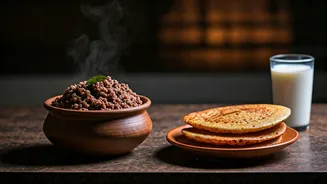
ragi-based drink a perfect choice to help you wind down before bed. Furthermore, ragi's high content of dietary fibre and complex carbohydrates ensures a slow and steady release of energy, keeping you full and preventing hunger pangs that might disrupt your sleep. Being naturally gluten-free and loaded with calcium, it also supports bone health and is gentle on the digestive system. A simple warm ragi malt, made with ragi flour and milk or water, can be a comforting and sleep-promoting beverage. However, experts advise consuming it in a light form like a porridge or malt rather than a heavy meal, and at least two hours before sleeping.
2. Jowar (Sorghum): The Digestive Aid
If late-night eating often leads to digestive discomfort, Jowar might be the ideal millet for you. Known for its high dietary fibre content, Jowar promotes healthy digestion and regular bowel movements, helping to prevent issues like bloating and constipation. Its complex carbohydrates are digested slowly, ensuring you feel full and satisfied for longer, which is crucial for weight management. Jowar is also gluten-free, making it a safe and soothing option for those with sensitivities. Additionally, it is packed with essential nutrients like iron, magnesium, and B vitamins, which support everything from blood circulation to energy metabolism. A small, soft jowar roti with a dollop of ghee or a simple, warm bowl of jowar porridge can be a light yet fulfilling late-night snack that supports gut health.
3. Foxtail Millet (Kangni): The Blood Sugar Balancer
For those conscious of blood sugar levels, foxtail millet is an excellent choice. It has a low glycemic index, which means it releases glucose into the bloodstream slowly, preventing the sharp spikes and subsequent crashes associated with sugary snacks. This steady energy release is beneficial for night-time, supporting your body’s repair processes without disturbing your metabolic balance. Rich in protein and iron, foxtail millet is also easy to digest. Its high fibre content contributes to a feeling of fullness, curbing the desire for unhealthy snacking before bed. A small portion of steamed foxtail millet, perhaps prepared as a light upma or khichdi with vegetables, can be a smart, diabetes-friendly way to address evening hunger.
4. Barnyard Millet (Sanwa): The Lightest Grain
Often recommended as a fasting grain, barnyard millet is incredibly light and easy on the stomach, making it a perfect candidate for a late-night meal. It boasts a low carbohydrate content and a low glycemic index, making it another great option for blood sugar management. Despite being light, it is a good source of dietary fibre and highly digestible protein, which helps in promoting satiety. For a simple late-night option, a barnyard millet khichdi, cooked with a little moong dal and mild spices, is considered an ideal light dinner that won't weigh you down. Its gentleness on the digestive system makes it suitable for almost everyone, including those with sensitive stomachs.
5. Proso Millet (Chena): The Protein-Rich Option
Proso millet stands out for its high protein content, which is notable among millets. Protein is essential for muscle repair and satiety, making this millet a great option to keep you full through the night. It is also rich in essential amino acids and minerals like phosphorus and magnesium. While it is nutrient-dense, it's important to prepare it correctly. Soaking the millet before cooking can help reduce anti-nutrients and improve digestibility. A small bowl of plain, cooked proso millet or a simple porridge can serve as a fulfilling, protein-packed late-night snack. It is gluten-free and acts on the nervous system, which can contribute to a sense of calm before sleep.