





The Rise of the Smart Indoor Garden
The latest trend isn't just about putting a few pots on a windowsill; it's about leveraging technology to create thriving indoor ecosystems. This new wave is defined by smart hydroponic and aeroponic systems that automate the most challenging parts of
gardening: light and water. Companies like Gardyn, Click & Grow, and Rise Gardens have developed self-contained units that range from small countertop herb gardens to large vertical towers capable of growing over 30 plants at once. These systems use built-in, full-spectrum LED lights that mimic the sun and automated watering cycles that deliver nutrient-rich water directly to the roots. Some even come with AI-powered apps that monitor your plants and give you tips, making it nearly effortless to grow produce year-round, regardless of the season outside.
Hydroponics and Aeroponics Explained
At the heart of this trend are soil-free growing methods. Hydroponics involves growing plants in a water-based nutrient solution instead of soil. This method allows for faster growth and bigger yields in a smaller footprint. Aeroponics, a technique refined by NASA, takes it a step further by misting the plant roots with water and nutrients. One company, Plantaform, is even using an advanced version called 'fogponics', which uses an ultra-fine mist that leads to even more efficient water use. These systems are incredibly water-efficient; some vertical towers use up to 98% less water than traditional soil gardening. By eliminating soil, you also eliminate soil-borne pests and the mess that often comes with indoor planting.
Going Vertical: The Ultimate Space Saver
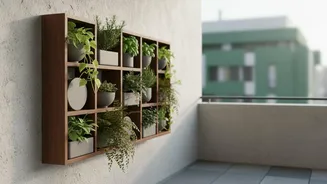
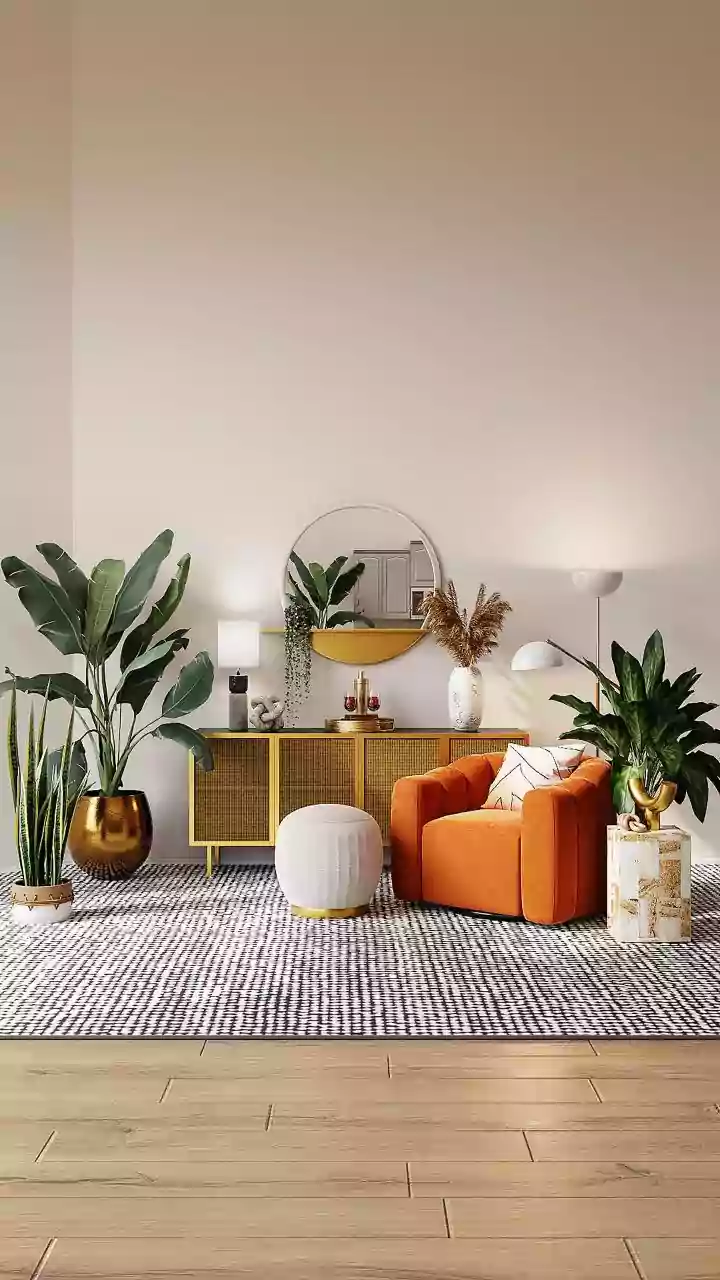
When you can't build out, you build up. Vertical gardening is the other key component making this trend so accessible. By stacking plants upwards, these systems maximize your growing potential on a minimal footprint. A tall, slender unit like a Lettuce Grow Farmstand or Gardyn system can occupy just a few square feet of floor space while producing a surprising amount of food. This vertical approach turns an empty corner or a blank wall into a productive, living green space. It’s a design statement as much as it is a food source, bringing a vibrant, natural element into your home decor.
What Can You Actually Grow?
While you might not be harvesting watermelons, the variety of what you can grow is impressive. These systems are perfect for leafy greens like lettuce, spinach, and kale, which grow quickly and can be harvested continuously. Fresh herbs such as basil, mint, parsley, and chives thrive in countertop units, putting fresh flavours right at your fingertips in the kitchen. Many systems also support fruiting plants like cherry tomatoes, peppers, and strawberries, with specific dwarf or bush varieties being recommended for the best results in contained spaces. The key is choosing plants that are suited for indoor cultivation and don't require massive root systems.
Getting Started Without Breaking the Bank
The initial investment for a high-tech smart garden can seem steep, with larger systems costing several hundred dollars. However, many users find they save money on groceries over time, particularly on organic herbs and greens. For those wanting to dip a toe in without a major commitment, there are more affordable entry points. Smaller countertop kits from brands like iDOO can be found for under $150 and provide a great introduction to hydroponics. You can also take a lower-tech approach. A sunny windowsill is still a fantastic spot for a small herb garden in traditional pots. The crucial elements for any indoor garden remain the same: adequate light (supplemented with a grow light if needed), appropriate watering, and good air circulation.