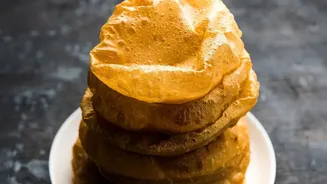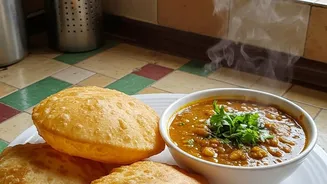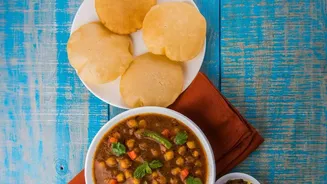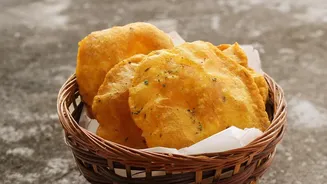



Every Indian household knows the joy of a perfectly puffed, golden-brown puri. But the disappointment of a greasy, oil-laden one is just as familiar. The secret to avoiding that oily finish is simpler than you think: a humble paper towel.
The Science of a Simple Paper Towel
It might seem
like a basic kitchen step, but there’s real science at play when you place a freshly fried puri onto a paper towel. Paper towels are made of cellulose fibres, which are highly porous. These tiny spaces within the paper work through a process called capillary action. This action actively wicks the hot, liquid oil from the surface of the puri, drawing it into the fibres of the towel. Studies have shown that paper towels are significantly effective at reducing the amount of residual oil on fried foods. You’re not just dabbing the oil off; the paper is actively pulling the excess fat away from the puri's surface before it has a chance to cool and create a greasy film.
Prevention Is the Best Strategy
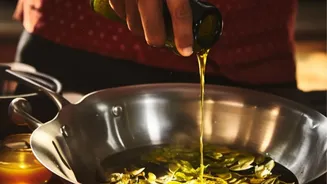
While draining is crucial, the battle against oily puris begins much earlier. The most important factor is the temperature of your oil. If the oil isn't hot enough (ideally between 175°C and 190°C), the puri will linger in the kadai for too long, absorbing oil instead of cooking quickly. Conversely, if the oil is smoking hot, the outside will burn before the inside cooks. The goal is to have the moisture inside the puri turn to steam rapidly, which pushes against the oil and helps the puri puff up, creating a barrier that limits oil absorption. A small piece of dough should rise to the surface sizzle steadily when the oil is ready.
Secrets in the Dough
The perfect puri starts with the perfect dough. A common mistake is making the dough too soft, like chapati dough. For puris, the dough should always be firm and stiff. A softer dough is more prone to soaking up oil. Many experienced cooks add a tablespoon or two of fine semolina (suji) or gram flour (besan) to their whole wheat flour. This simple addition not only helps create a crispier puri but also significantly reduces how much oil it absorbs. Also, it’s best to use freshly kneaded dough; dough that has been resting for too long or stored in the fridge can become too soft and absorb more oil during frying.
Technique Matters in the Kadai
How you handle the puri during rolling and frying makes a big difference. Avoid using dry flour (atta) to dust the puris while rolling them out. The excess flour falls into the oil, burns, and can stick to subsequent puris, potentially increasing oil absorption. Instead, apply a tiny amount of oil to your hands and the rolling surface. Once the puri is in the hot oil, press it down gently with a slotted spoon to encourage it to puff up evenly. After it puffs, flip it just once. Repeatedly flipping the puri can cause it to soak up more oil. Let it cook for a few seconds on the other side until it’s golden, then remove it promptly.
Alternatives to Paper Towels
While paper towels are effective, they aren't the only option. A wire cooling rack placed over a baking sheet is a fantastic alternative used by many professional kitchens. This method allows hot air to circulate all around the puri, preventing the bottom from getting soggy while letting excess oil drip away. For maximum effect, you can combine methods: first place the puri on a wire rack for a minute to let the initial oil drip off, then transfer it to a paper towel to blot any remaining surface oil. In a pinch, other absorbent, food-safe paper products like brown paper bags or even paper egg cartons (not foam or plastic) can also be used to drain excess grease.