







The New Fitness Priority
For years, the gold standard of fitness was often measured in kilos on a barbell. 'How much do you bench?' was the unofficial metric of progress. While strength training remains crucial, a growing chorus of physiotherapists, trainers, and fitness influencers
are championing a different prerequisite for a healthy body: joint mobility. They argue that before you can lift heavy, you must be able to move well. This isn't about abandoning strength; it's about building a better, more resilient foundation for it. The message is clear: chasing personal bests without addressing underlying movement quality is a recipe for injury and burnout. This new wave prioritises longevity and pain-free living over short-term gains.
Mobility vs. Flexibility: What’s the Difference?
These two terms are often used interchangeably, but they describe different things. Think of it this way: flexibility is your muscle's ability to stretch passively. It’s about how far someone else could move your limb. Mobility, on the other hand, is your ability to actively move a joint through its full range of motion with control. It’s flexibility plus strength and coordination. For example, being able to pull your knee to your chest with your hands is flexibility. Being able to lift your knee to your chest using only your leg and core muscles is mobility. The latter is far more functional for everyday life and athletic performance, from picking up groceries to performing a deep squat.
Why Your Joints Are Crying Out for Attention
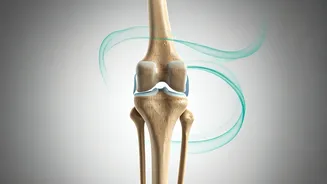
Our modern, sedentary lifestyles are tough on our joints. Hours spent hunched over desks, steering wheels, and phone screens lead to tight hips, stiff shoulders, and a rigid spine. This lack of movement 'lubrication' can lead to chronic pain, poor posture, and an increased risk of injury when you finally do get active. A dedicated mobility practice works to counteract this. By actively moving your joints through their intended paths, you improve synovial fluid circulation (your body's natural joint lubricant), break down adhesions, and teach your nervous system what safe movement feels like. The result is a body that feels less 'creaky,' moves more efficiently, and is better prepared to handle the demands of both daily life and intense exercise.
It’s Not an ‘Either/Or’ Choice
The headline-grabbing nature of this trend might suggest you have to choose between mobility and heavy lifting, but that’s a false dichotomy. The most intelligent approach is to see them as partners. Excellent mobility makes for better lifting. For instance, improved hip and ankle mobility allows you to squat deeper and more safely, engaging the target muscles more effectively and reducing strain on your lower back. Better shoulder and thoracic spine mobility enables a stronger, more stable overhead press. By spending 10-15 minutes on a targeted mobility warm-up before your strength session, you are priming your body for better performance and drastically reducing your risk of injury. Think of mobility as the software update that allows your hardware (your body) to run at its full potential.
Simple Ways to Get Started
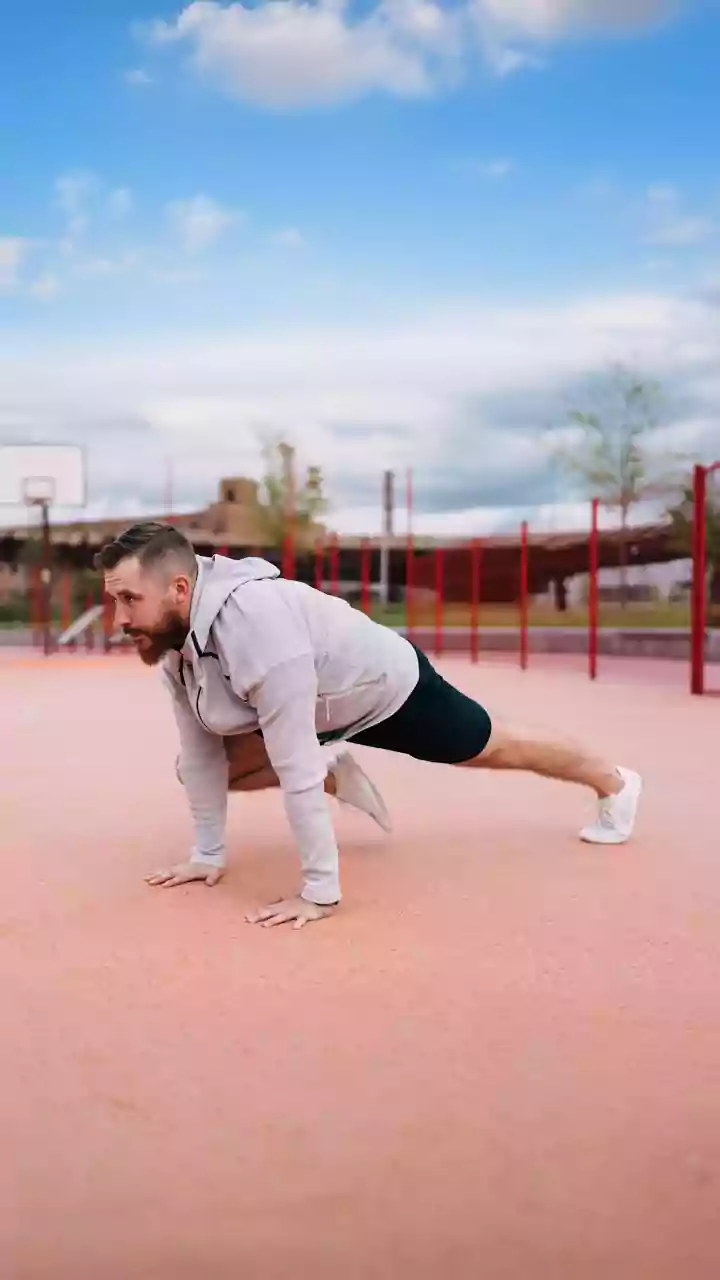
You don't need any fancy equipment to start improving your mobility. Begin by incorporating a few simple movements into your daily routine or as a warm-up. Try 'Cat-Cow' stretches on all fours, arching and rounding your spine to wake it up. Perform 'Hip CARs' (Controlled Articular Rotations) by standing and slowly drawing the biggest possible circle with your knee to improve hip function. For your shoulders, try wall slides: stand with your back against a wall and slide your arms up and down, keeping your elbows and wrists in contact with the surface. The key is to move slowly, with intention, and without pushing into pain. Consistency is more important than intensity.