



The Closed-Loop Challenge
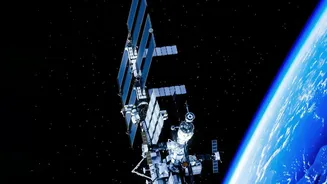
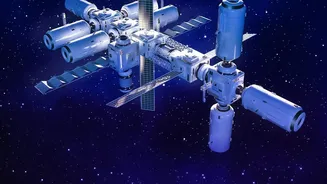
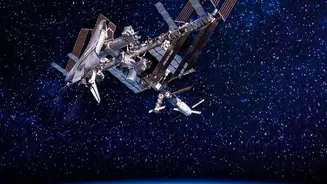
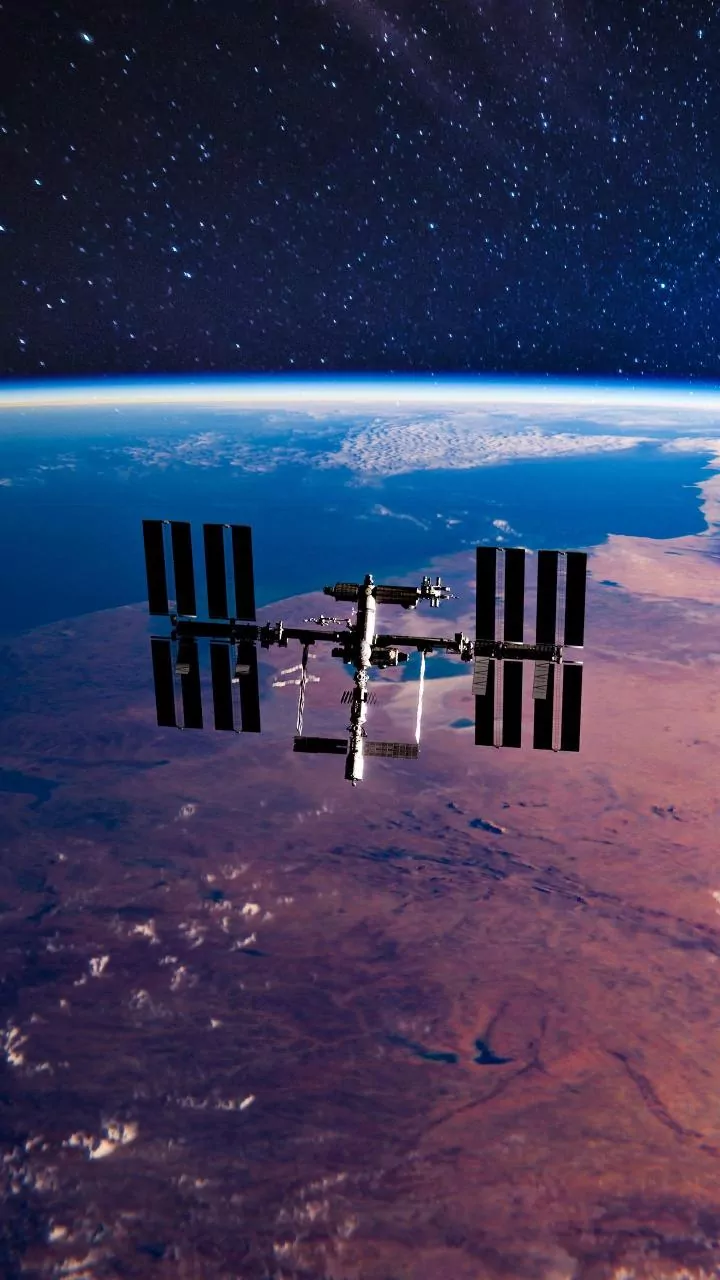
Living in a sealed environment like the International Space Station (ISS) presents a fundamental challenge: what to do with the carbon dioxide (CO2) astronauts exhale? Every crew member produces about a kilogram of CO2 daily, which would quickly become
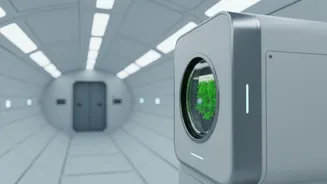
toxic if not managed. While early missions used disposable filters, long-term survival requires a more sustainable, regenerative solution. The goal of the Environmental Control and Life Support System (ECLSS) is to create a closed loop, mimicking Earth's natural cycles by recycling air and water as much as possible. This not only ensures the crew's survival but is essential for reducing the costly and complex resupply missions from Earth.
Step One: Scrubbing the Air
The first step is to remove the CO2 from the cabin atmosphere. On the ISS, this is primarily handled by the Carbon Dioxide Removal Assembly (CDRA). This system works by drawing cabin air through beds of a porous, crystal-like material called zeolite. These materials act as molecular sieves, trapping CO2 molecules while allowing oxygen and nitrogen to pass through. The system operates in cycles; while one set of zeolite beds is absorbing CO2 from the air, another saturated set is heated, causing it to release the captured CO2 into a storage tank, ready for the next stage of recycling. This process is crucial because it isolates the CO2, turning a waste product into a valuable resource.
Step Two: Making Oxygen from Water
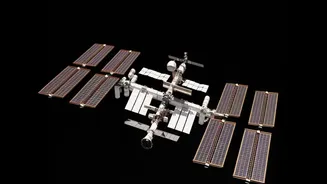
While CO2 is being captured, the station's Oxygen Generation System (OGS) is busy making fresh oxygen. This system uses a process called electrolysis to split water molecules (H2O) into their constituent parts: hydrogen (H2) and oxygen (O2). Using electricity generated by the station's massive solar arrays, the OGS passes a current through water, which can come from Earth or, more impressively, from recycled sources like the crew's perspiration and urine. The resulting oxygen is released into the cabin for the astronauts to breathe. The hydrogen, however, was once considered a mere byproduct and vented into space. But in a truly closed-loop system, nothing is wasted.
The Main Event: The Sabatier Reaction
This is where the real magic happens. The captured CO2 from the CDRA and the waste hydrogen from the OGS are sent to a special reactor to undergo the Sabatier reaction. Named after Nobel Prize-winning chemist Paul Sabatier, this process combines carbon dioxide and hydrogen at high temperatures over a nickel catalyst. The chemical reaction transforms these two waste products into two very useful ones: water (H2O) and methane (CH4). This ingenious step effectively recovers the oxygen that was locked inside the exhaled carbon dioxide, turning it into water.
Closing the Loop
The process comes full circle when the water produced by the Sabatier reaction is fed back into the Oxygen Generation System. There, it is once again split by electrolysis to produce more breathable oxygen for the crew. This elegant loop significantly reduces the amount of water that needs to be shipped from Earth, saving both space and enormous cost on resupply missions. The other byproduct, methane, is currently vented into space, but future systems for missions to Mars may use it as a rocket propellant. By recycling about half of the carbon dioxide, systems like the Advanced Closed Loop System (ACLS) save hundreds of liters of water per year.