




In the hustle of city life, preparing a balanced, home-cooked dinner can feel like a monumental task. Amid busy schedules, many urban households rely on processed foods. But what if the secret to a better meal lies in looking back?
The Modern Urban Diet Dilemma
Life in India's bustling
cities presents a unique paradox. While there is an abundance of food choices, a truly balanced diet is often hard to achieve. Long work hours and daily commutes leave little time or energy for elaborate cooking. As a result, many households turn to convenience foods, which are often high in unhealthy fats, sugar, and salt but poor in essential nutrients. This reliance on energy-dense, nutrient-poor options is a significant challenge for urban families trying to maintain a healthy lifestyle. Studies show a rising trend in lifestyle diseases in urban India, linked directly to these dietary shifts and a more sedentary life. The convenience of fast food and the overwhelming options at supermarkets often lead to a departure from traditional eating habits, leaving many feeling disconnected from the food on their plates.
Wisdom on a Plate
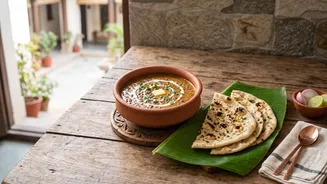
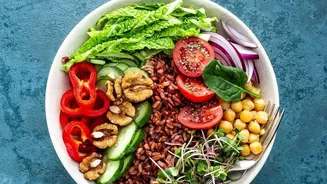
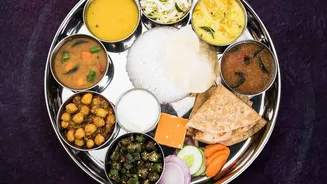
Heritage recipes are more than just old-fashioned instructions; they are a blueprint for balanced eating. Traditional Indian diets are naturally rich in plant-based foods, including a wide variety of vegetables, lentils, and whole grains that provide a complete nutritional profile. A typical traditional meal often includes dal, rice, seasonal vegetables, and perhaps a side of curd or salad, ensuring a mix of carbohydrates, proteins, healthy fats, vitamins, and minerals. This approach focuses on whole, minimally processed ingredients. Cooking methods like steaming, fermenting, and slow-cooking, common in traditional kitchens, also help preserve the nutritional value of the ingredients, unlike many modern cooking techniques.
Forgotten Grains and Local Gems
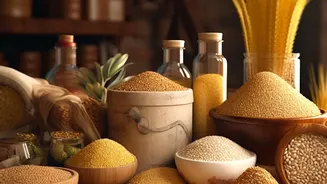
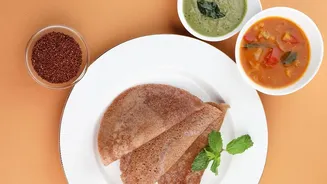
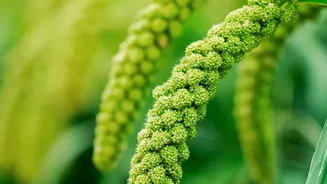
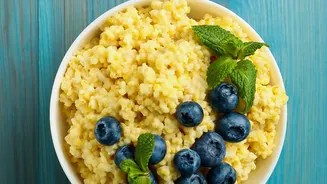
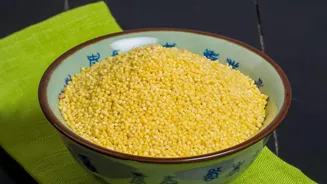
A return to heritage cooking also means rediscovering a wealth of forgotten ingredients. Ancient grains like amaranth (rajgira), finger millet (ragi), and pearl millet (bajra) were once staples but are now often overlooked in favour of refined wheat and rice. These grains are powerhouses of nutrition, rich in fibre, protein, and essential micronutrients. For instance, rajgira is a complete protein, while ragi is an excellent source of calcium. Similarly, local vegetables like moringa (drumstick leaves) and legumes such as horse gram (kulith dal) offer unique health benefits that are often missing from modern diets. Incorporating these ingredients not only diversifies the nutritional intake but also supports agricultural biodiversity and local economies.
More Than Just Food
Embracing heritage recipes is about nourishing the body and the soul. The act of cooking from scratch, using fresh ingredients and aromatic spices, can be a mindful and grounding experience. It fosters a deeper connection to our food and our cultural roots. In an age of digital distraction, the kitchen can become a space for creativity and connection, where family members can bond over shared traditions. This revival is not just happening in homes; a new generation of chefs and culinary experts are unearthing lost recipes and reintroducing them to urban diners, celebrating India's vast culinary diversity. These efforts help preserve cultural identity and ensure that the wisdom of our ancestors is not forgotten.
Making Heritage Accessible
Adopting heritage cooking doesn't have to be complicated. Start small by introducing one traditional meal a week. Many recipes can be adapted for a modern kitchen without losing their essence. For instance, batters for dishes like dosa can be prepared over the weekend, and many dals and vegetable preparations can be made in a pressure cooker to save time. Exploring local markets for seasonal produce can make cooking more exciting and affordable. While some ingredients might seem unfamiliar, many, like millets and traditional greens, are becoming more widely available as interest in healthy, sustainable eating grows. The key is to see these recipes not as rigid rules but as flexible guides to a healthier and more authentic way of eating.