








The Plastic Problem on Our Plates
The boom in India's online food delivery market has brought with it an unwelcome side effect: a mountain of plastic waste. India generates over 3.5 million tonnes of plastic waste every year, with a significant portion coming from single-use items in the
food service industry. Estimates suggest that food delivery aggregators can generate nearly 22,000 metric tonnes of single-use plastic waste every month. These plastic containers, cutlery, and films clog landfills and pollute waterways, taking hundreds of years to decompose while potentially releasing harmful chemicals. This environmental pressure, combined with growing consumer awareness and government regulations against single-use plastics, is forcing the industry to find better solutions.
A Sweet Solution from Sugarcane
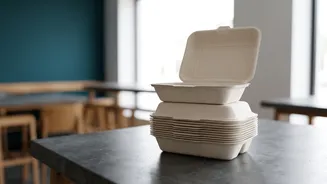
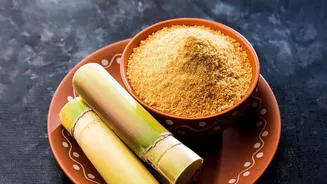
Enter bagasse, the fibrous residue left over after juice is extracted from sugarcane. Traditionally burned as fuel in sugar mills, this agricultural byproduct is now being recognised as a valuable resource for creating sustainable packaging. The process involves pulping the bagasse fibre, moulding it with heat and pressure, and then drying it into sturdy, food-safe containers, plates, and bowls. As the world's second-largest producer of sugarcane, India generates an enormous 100 to 135 million tonnes of bagasse annually, creating a massive, locally available raw material source for a greener packaging industry.
The Benefits Beyond Being Green
The appeal of sugarcane packaging goes beyond its impressive environmental credentials. These products are fully compostable, breaking down in a few months under the right conditions, unlike plastic which persists for centuries. For restaurants, bagasse containers are a practical choice. They are sturdy, microwave-safe, and can handle hot, oily, and gravy-based Indian dishes without leaking or losing shape. Furthermore, using these products helps brands build a positive, eco-conscious image. With a majority of urban consumers willing to pay a little more for food in sustainable packaging, the switch is becoming a smart business decision, not just an ethical one.
Who Is Making the Switch?
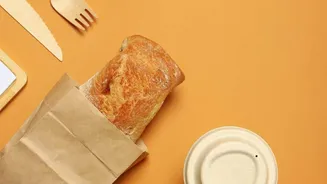
The shift is being led by both large aggregators and individual food brands. Zomato has actively encouraged the transition through its 'Plastic-Free Future Program', which recognizes restaurants that adopt sustainable alternatives. By August 2026, over 10,000 restaurants had joined the program. The company also launched PackSwitch, a tool to help its restaurant partners find and source non-plastic packaging options like bagasse. Beyond the big platforms, numerous food chains and independent eateries are making the change. Brands like Haldiram's and Chai Point have been noted for using compostable tableware made from sugarcane residue. This adoption is visible across quick-service restaurants, premium dining outlets, and large-scale event caterers who see it as a way to enhance customer experience.
Hurdles on the Path to Plastic-Free
Despite its advantages, the transition to sugarcane packaging is not without challenges. The primary obstacle is cost. Bagasse products can cost two to three times more than their conventional plastic counterparts. While this price gap is narrowing as production scales up and plastic prices rise, it remains a significant barrier for smaller, price-sensitive businesses. Another major hurdle is the lack of widespread industrial composting infrastructure in many Indian cities. For bagasse packaging to fully deliver on its environmental promise, it needs to be composted, not just sent to a landfill where its breakdown process is much slower. Supply chain logistics and ensuring consistent quality also remain key challenges for manufacturers.