







The Digestive Power of Pears
Pears are a fantastic source of dietary fibre, which is crucial for a healthy digestive system. A single medium-sized pear contains about 6 grams of fibre, which is a significant portion of your daily needs. This fibre comes in two forms: soluble and
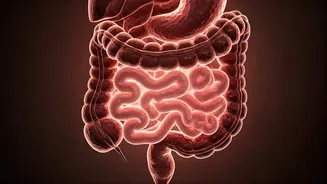
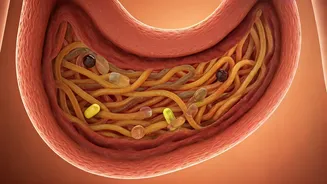
insoluble. Insoluble fibre helps add bulk to stool, promoting regular bowel movements and preventing constipation, a common cause of bloating. Soluble fibre, particularly a type called pectin, forms a gel-like substance in your digestive tract. This not only helps you feel fuller for longer but also acts as a prebiotic, feeding the beneficial bacteria in your gut. A healthy gut microbiome is essential for proper digestion and can help reduce inflammation and gas. Pears are also high in water content, which works with fibre to keep stools soft and help flush the digestive system.
A Word of Caution: When Pears Can Cause Bloating
Despite their benefits, pears aren't a universal cure for everyone. The very things that make them helpful for some can cause issues for others. Pears contain fructose and a sugar alcohol called sorbitol. For people with certain digestive sensitivities, such as Irritable Bowel Syndrome (IBS) or an intolerance to FODMAPs (Fermentable Oligosaccharides, Disaccharides, Monosaccharides, and Polyols), these compounds can be difficult to digest. When fructose and sorbitol are not properly absorbed in the small intestine, they travel to the large intestine where they ferment, producing gas, cramps, and, ironically, more bloating. If you know you are sensitive to FODMAPs, you may need to limit or avoid pears. For some, cooking or stewing pears can make them easier to digest.
Your Simple Pear Snacking Routine
If you don't have a known sensitivity, incorporating a pear into your daily diet could offer significant relief. The key is consistency and mindfulness. Start by eating one pear a day. The best time is often between meals, as eating fruit on its own can prevent it from fermenting on top of slower-digesting foods. Make sure to eat the skin, as it contains a large amount of the pear's beneficial fibre and antioxidants. Pair your pear with a large glass of water. The high fibre content needs adequate fluid to do its job properly; without enough water, it can actually worsen constipation. Choose a ripe pear, as it will be sweeter and generally easier to digest. Pay attention to how your body responds. If you feel good, this simple addition could be a game-changer for your digestive comfort.
Beyond the Pear: Other Habits for a Happy Gut
While a pear snacking routine can be a great step, it works best as part of a broader approach to digestive health. To maximize your efforts to beat the bloat, consider these other habits. Chewing your food thoroughly is one of the most important yet overlooked aspects of good digestion; eating too quickly can cause you to swallow air, leading to gas. Staying well-hydrated throughout the day is also crucial for keeping your digestive system moving smoothly. Try to identify and reduce other potential trigger foods in your diet, which can commonly include beans, carbonated drinks, and certain artificial sweeteners. Gentle physical activity, like a daily walk, can also stimulate digestion and help relieve gas and bloating. Think of the pear routine not as an isolated fix, but as a cornerstone of a more gut-friendly lifestyle.