


Early September: Planets in the Morning Sky
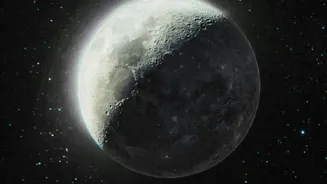
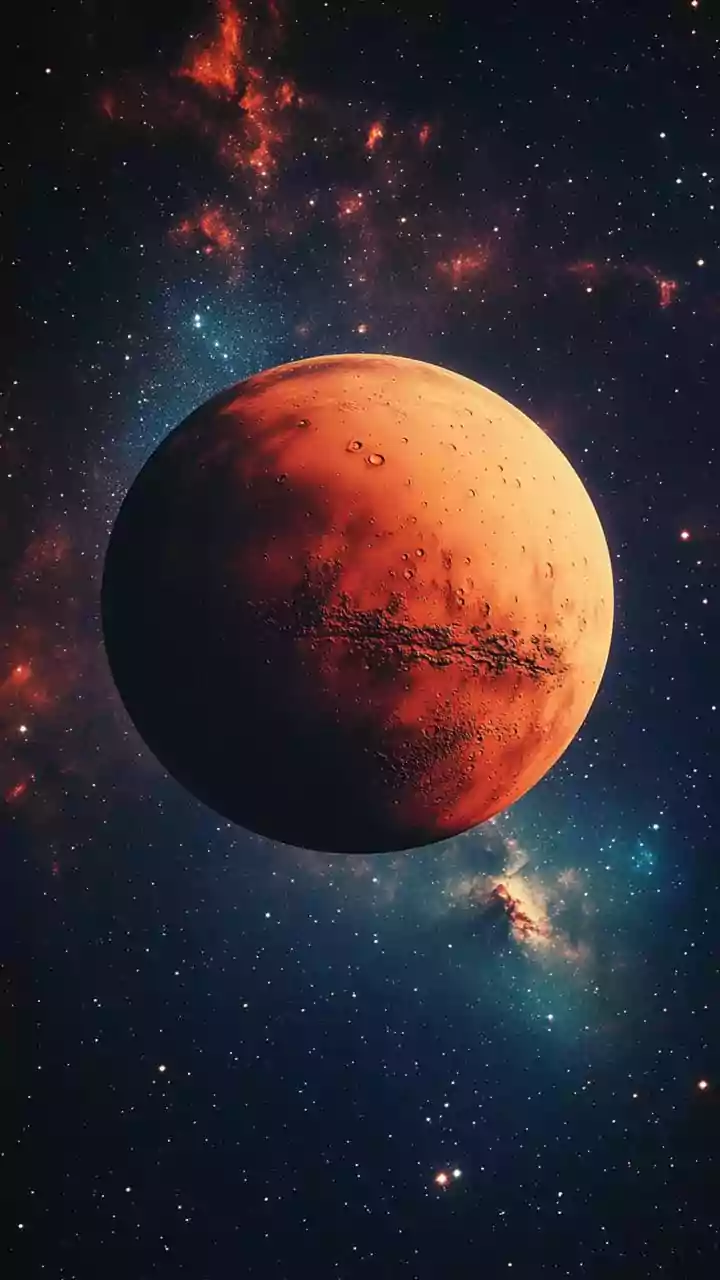
The first week of September is a treat for early risers. Before the sun rises, look to the pre-dawn eastern sky to see a parade of planets. On September 6, the waning crescent Moon will pass near reddish Mars. Two days later, on the morning of September 8,
the very thin crescent Moon will have a beautiful close encounter with the brilliant planet Jupiter. Jupiter will be unmistakable as the brightest point of light in that part of the sky. Mars will be fainter but still clearly visible with its distinct amber hue. This is a fantastic opportunity for photographers and anyone wanting to start their day with a cosmic line-up.
September 9: Epsilon Perseid Meteor Shower Peak
While not as famous as its August counterpart, the September Epsilon Perseid meteor shower offers a chance to see some shooting stars. This minor shower is active from early to late September, with its peak expected on the night of September 9. Under ideal conditions, you might spot around five to eight meteors per hour. The great news for 2026 is that the shower's peak coincides with the days leading up to the New Moon on September 11, meaning the sky will be dark and free of moonlight, providing excellent viewing conditions. For your best chance, find a location away from city lights, let your eyes adjust to the darkness for at least 20 minutes, and look towards the constellation Perseus in the northeastern sky.
September 11: New Moon for Optimal Stargazing
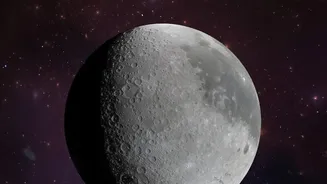
The New Moon on September 11 marks the darkest night of the month, making it the perfect time for deep-sky observation. With the Moon's light completely absent, the faint glow of the Milky Way, distant star clusters, and even other galaxies become more visible. This is the ideal window for astrophotographers or anyone with a telescope to hunt for fainter celestial treasures. It's also one of the last chances in the year for observers in the Northern Hemisphere to get a clear view of the Milky Way's core before it sinks below the horizon for the season. If you have clear skies, this is the night to head out to a dark-sky location and simply marvel at the star-filled expanse above.
September 26: Neptune at Opposition
On September 26, the most distant planet in our solar system, Neptune, will be at opposition. This means that Earth will be directly between Neptune and the Sun, placing the ice giant at its closest and brightest for the year. Due to its immense distance, Neptune is never visible to the naked eye. However, at opposition, it will reach a magnitude of 7.7, making it visible with a good pair of binoculars or a small telescope. Look for it in the constellation of Pisces, where it will appear as a tiny, bluish, star-like point of light. Throughout the night, it will rise in the east around sunset and remain visible all night long, reaching its highest point around midnight.
September 26: The Full Harvest Moon
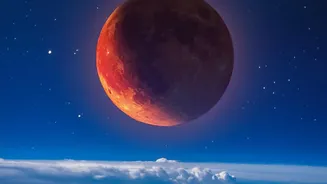
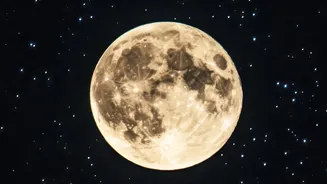
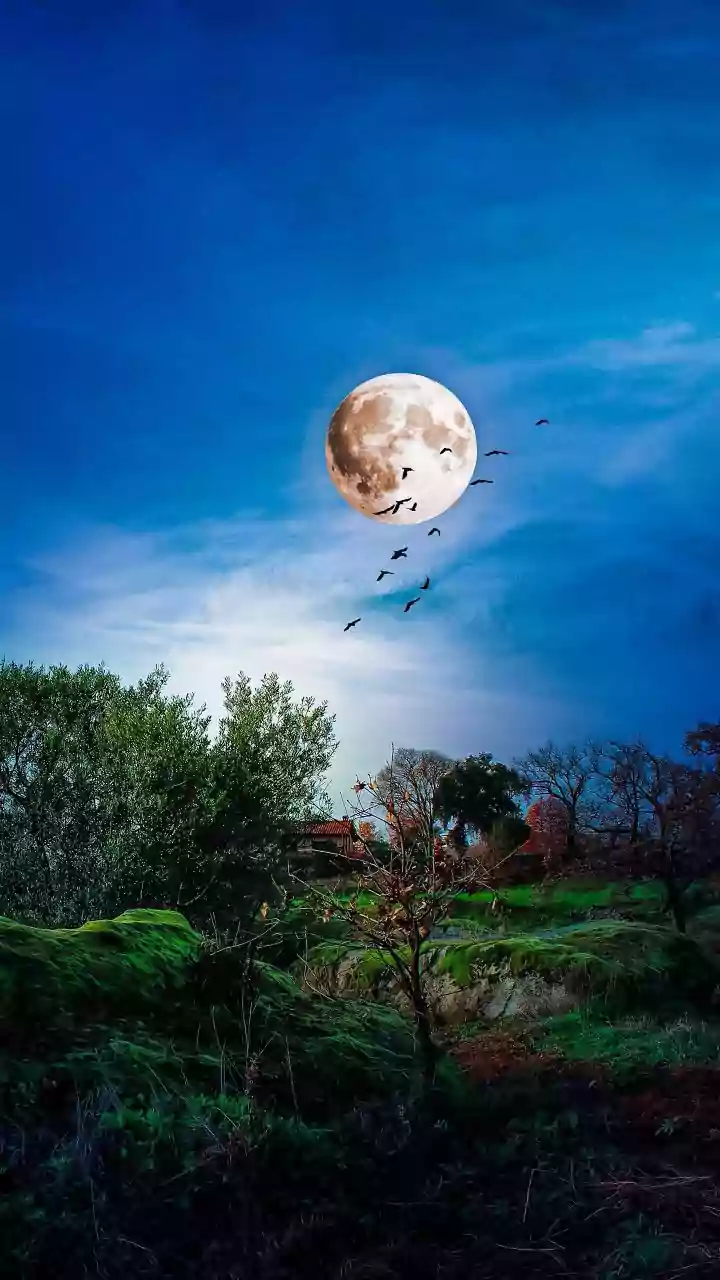
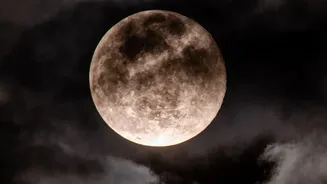
Coinciding with Neptune's opposition, the night of September 26 also brings the Full Harvest Moon. This is the full moon that falls closest to the autumnal equinox (September 23), an event that historically provided farmers with extra light to bring in their crops. In India, the full moon will reach its peak illumination at 10:19 pm IST. As the Moon rises in the east shortly after sunset, it may appear unusually large and take on a beautiful golden or orange hue. This is known as the Moon illusion, an optical effect caused by viewing it near the horizon. On this night, you can also spot the planet Saturn shining brightly near the Moon.