






What Are Fermented Condiments?
Before they were a wellness trend, fermented foods were a household staple across India. Fermentation is a natural process where microorganisms like bacteria and yeast break down sugars and starches in food. This process not only preserves the food but
also transforms its flavour and boosts its nutritional profile. Think of the classic 'achaar' (pickle) sitting on a sunny windowsill, the tang in a bowl of 'dahi' (curd), or the sour kick in a bottle of 'kanji'. These aren't just flavour enhancers; they are live foods, teeming with beneficial microbes created through a tradition that spans centuries. India has a vast and diverse history of fermentation, with over 200 documented traditional fermented foods, many of which are condiments used daily.
The Gut Health Connection
The primary reason for this resurgence is the growing awareness of the gut microbiome. Health-conscious individuals now understand that a healthy gut is linked to overall well-being, from digestion and immunity to mental health. Fermented condiments are rich in probiotics, which are beneficial live bacteria that support a healthy balance of microorganisms in your gut. Regular consumption of these foods may help improve digestion, enhance nutrient absorption, and even reduce inflammation. This shift represents a move from simply counting calories to focusing on nutrient quality and how food makes us feel, aligning perfectly with the benefits that fermentation offers.
Flavour, Complexity, and Umami
While health benefits are a major driver, the appeal of fermented condiments is also deeply rooted in taste. The fermentation process creates incredible depth and complexity of flavour. It breaks down proteins into amino acids like glutamic acid, which our taste buds register as 'umami'—the savoury, rich, and satisfying fifth taste. This is the deep, satisfying flavour you find in foods like soy sauce, aged cheese, and, of course, many traditional Indian ferments. Condiments like 'gundruk' from the Northeast, a fermented leafy vegetable, or 'kashundi', the pungent Bengali mustard sauce, add a tangy, savoury dimension to meals that processed sauces simply cannot replicate. This makes them a favourite for modern cooks looking to elevate their dishes with natural, complex flavours.
A Modern Twist on Tradition
For today's health-conscious meal planners, fermented condiments bridge the gap between tradition and modern wellness science. As consumers become more wary of ultra-processed foods with long ingredient lists, the appeal of natural, homemade, or artisanally produced condiments is growing. There's a renewed respect for the wisdom of our grandmothers' kitchens, where fermentation was used for preservation and flavour long before 'probiotic' became a buzzword. This trend also aligns with a desire for convenience and sustainability. Fermented condiments have a long shelf life, reducing food waste, and offer a simple way to add a punch of both flavour and nutrition to quick weekday meals. Young, health-aware consumers are particularly drawn to this blend of cultural heritage and data-backed health benefits.
Exploring the World of Indian Ferments
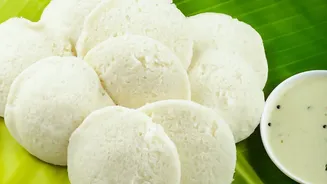
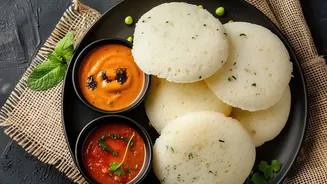
The world of Indian fermented condiments goes far beyond the common mango pickle. Each region has its own unique specialities. In the North, you might find 'kanji', a tangy drink made from fermented black carrots. The Northeast offers treasures like 'kinema' (fermented soybean) and fermented bamboo shoots. Even common dishes like 'idli' and 'dosa' start with a fermented batter that enhances their nutritional value. This revival is also sparking innovation, with home-fermenters and artisanal brands creating new combinations, using local Indian produce with traditional Asian fermentation techniques to craft exciting new sauces and relishes.