





Start with an Eco-Friendly Idol
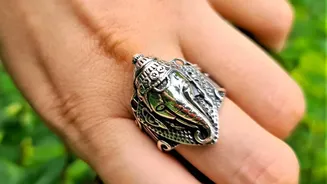
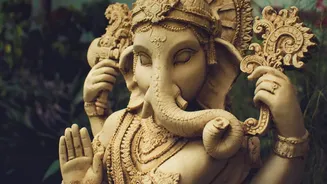
The centrepiece of the festival, the Ganesha idol, is the most impactful choice you can make. Traditionally, many idols were made from Plaster of Paris (PoP), which does not dissolve easily and releases harmful chemicals into water bodies during visarjan.
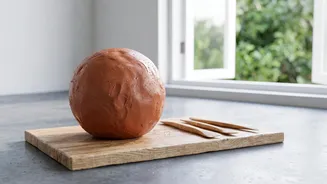
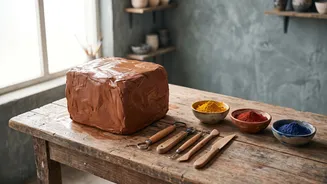
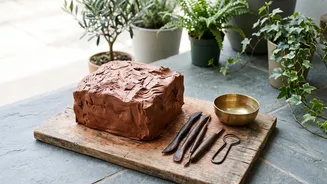
Today, there are many beautiful and sustainable alternatives. Opt for an idol made from natural clay or 'shadu mati', which dissolves harmlessly in water. These are often handcrafted by local artisans, supporting community traditions. Some innovative options even include seeds within the clay; after immersion in a pot at home, the idol grows into a plant, beautifully symbolising the cycle of life. You can also find idols made from materials like turmeric, rice flour, or even chocolate, which can be immersed in milk and distributed as prasad.
Embrace Natural and Reusable Decorations
Decorating the mandap or pandal sets a festive mood, but often relies on thermocol and plastic, which create immense non-biodegradable waste. This year, look to nature for inspiration. Use fresh flowers like marigolds and jasmine, along with mango and banana leaves, to create fragrant, compostable backdrops and garlands. Instead of plastic lighting, use traditional earthen diyas or terracotta lamps for a warm, authentic glow. For a backdrop, consider using a colourful saree or dupatta from your own closet, which can be easily reused. You can also get creative with paper fans, jute torans, and rangoli made from rice flour and flower petals instead of synthetic colours. These simple swaps not only reduce waste but also add a richer, more personal touch to your celebrations.
Rethink the Visarjan (Immersion)
The final act of the festival, the visarjan, traditionally involves immersing the idol in a nearby river, lake, or the sea. However, this has become a major source of water pollution, especially with PoP idols. A more sustainable approach is a symbolic immersion at home. You can perform the visarjan in a bucket, tub, or a temporary tank in your community. If you've used a natural clay idol, the clay-infused water can then be poured into your garden or potted plants, completing a beautiful cycle of returning to nature. This practice avoids contributing to the pollution of public water bodies and traffic congestion, making the farewell to Bappa a peaceful and respectful ceremony. For those with metal or permanent idols, a symbolic immersion can be performed by sprinkling water and then safely storing the idol for the next year.
Serve Prasad Mindfully
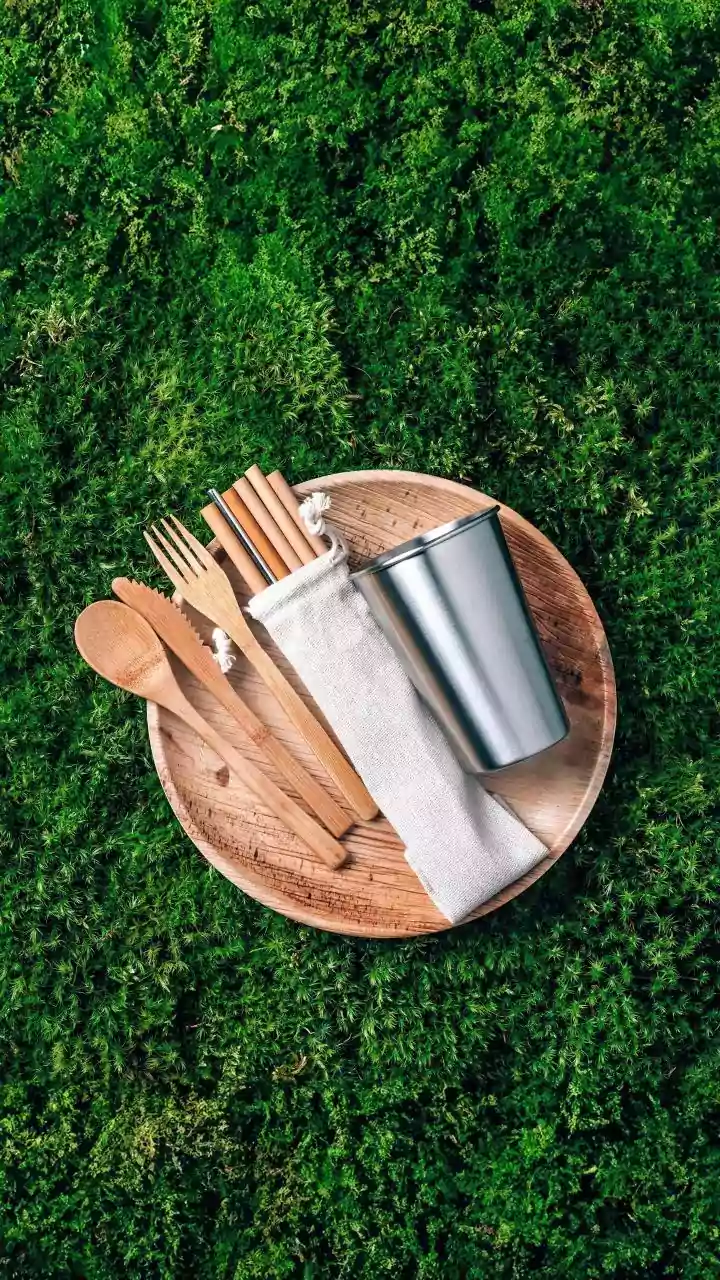
Festivals are a time of feasting and sharing, but they can also generate significant waste from disposable plates and cutlery. When serving prasad and meals to guests, try to avoid single-use plastics. Instead, use traditional steel plates and cups, or opt for biodegradable alternatives like plates made from banana leaves or areca palm leaf. Plan your food preparation to minimise waste, and consider donating any excess sweets or uncooked food to local shelters. Leftover organic materials like flowers, fruits, and other offerings can be composted instead of being thrown away. These small efforts in managing waste can make a big difference, ensuring the blessings of the festival extend to the environment as well.