



The Foundation of a Balanced Plate
The traditional Indian thali, with its core components of dal, roti, and sabzi, was never broken. In fact, it has long been an example of intuitive nutritional wisdom. The combination of lentils (dal) and a whole grain (roti) creates a complete protein
profile, providing all the essential amino acids the body needs. Paired with a vegetable dish (sabzi) for fibre and micronutrients, and often a side of curd for probiotics, the meal is inherently well-rounded. The current trend isn't about fixing a flawed system, but rather enhancing this time-tested formula with a modern understanding of macronutrients, portion control, and ingredient quality. It's an evolution driven by a desire to optimize health without sacrificing heritage.
Rethinking the Roti
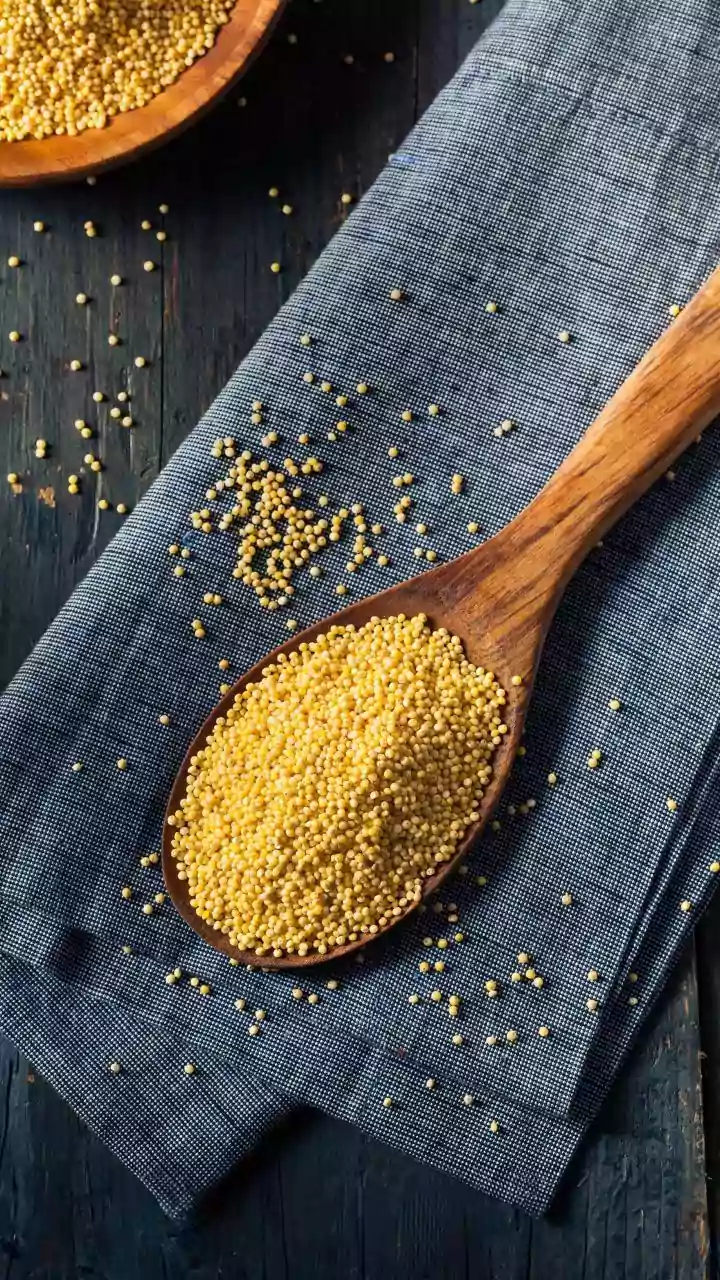
The humble roti is at the forefront of this nutritional makeover. While whole wheat is a healthy staple, the focus is shifting towards diversity to boost fibre and lower the glycemic index. Multigrain atta is becoming increasingly popular, blending wheat with millets like jowar (sorghum), bajra (pearl millet), and ragi (finger millet). These millets not only add a richer, earthier flavour but also offer a broader range of minerals like iron and calcium and are particularly beneficial for managing blood sugar levels. Another simple yet effective upgrade is adding besan (gram flour) or soy flour to the wheat dough, which significantly increases the protein content of each roti. This small tweak helps in creating a more satiating meal that keeps you fuller for longer.
Supercharging the Dal
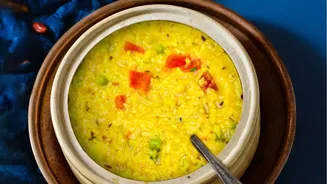
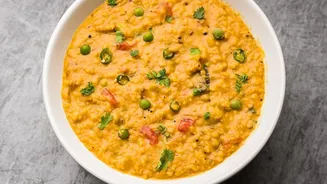
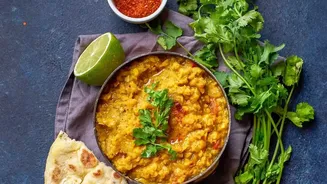
Dal has always been the protein anchor of the vegetarian Indian meal. The new approach seeks to maximize its nutritional punch. One popular method is to incorporate a wider variety of lentils, moving beyond just toor or moong dal to create blends that offer a more complex amino acid profile. Another key change is boosting the fibre and vitamin content by adding finely chopped vegetables like carrots, beans, or spinach directly into the dal as it cooks, a practice common in dishes like sambar. Furthermore, there is a conscious shift in the 'tadka' or tempering. While a touch of ghee is still valued for its ability to help absorb fat-soluble vitamins, many are moving away from refined oils and towards healthier, cold-pressed options used in moderation.
A New Strategy for Sabzi
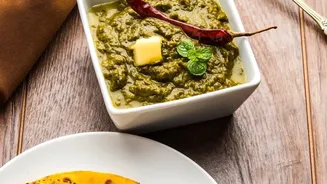
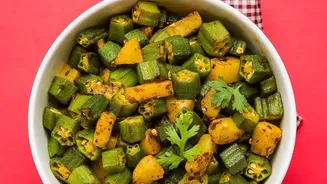
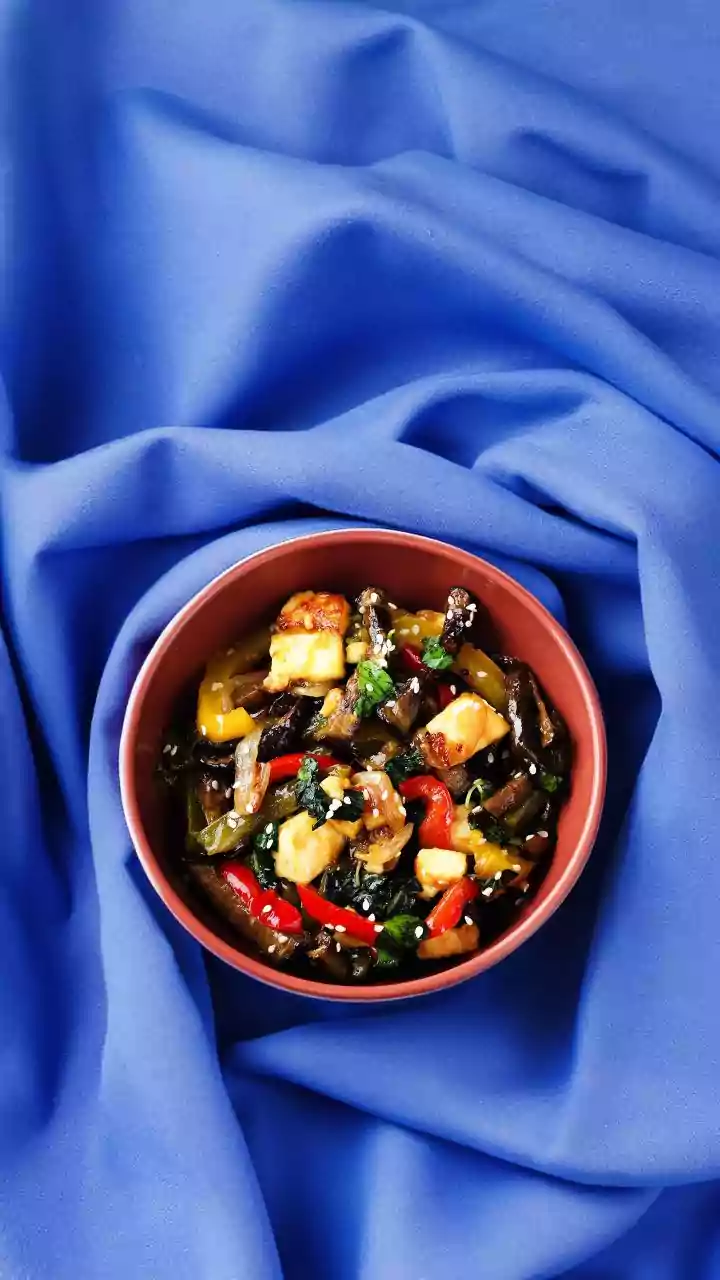
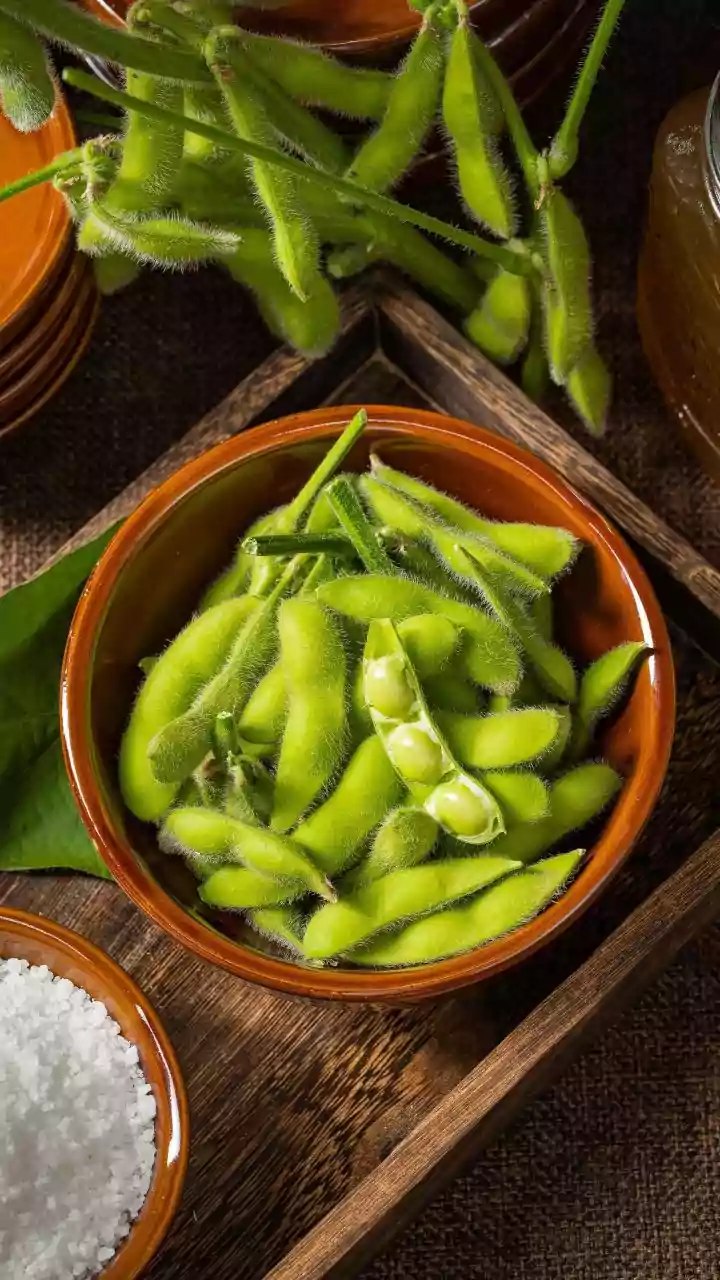
The sabzi component is being reimagined with two goals in mind: maximizing nutrient retention and increasing protein. Cooking methods are being diversified, with a move towards steaming, stir-frying, and roasting over traditional methods that may involve deeper frying or excessive oil. This helps preserve the vitamins and minerals in the vegetables. To elevate the sabzi from a simple side to a more substantial part of the meal, nutrition-conscious cooks are adding protein-rich ingredients like paneer, tofu, soya chunks, or sprouted legumes directly into the vegetable preparations. This not only balances the meal but also makes the sabzi a filling dish in its own right, reducing the reliance on a large quantity of grains.
The Modern Thali Blueprint
The reimagined Indian plate is guided by a simple visual rule championed by many nutritionists: the 50-25-25 model. This involves filling half your plate with non-starchy vegetables, which can be a combination of your sabzi and a fresh salad (kachumber). One quarter of the plate is reserved for your protein source, which would be a generous portion of dal, paneer, or legumes. The final quarter is for complex carbohydrates, like one or two multigrain rotis or a small bowl of brown rice or millets. This approach ensures a plate that is high in fibre and protein and moderate in carbohydrates, promoting stable energy levels and better overall health without complex calorie counting.