


Why the Monsoon is Magic
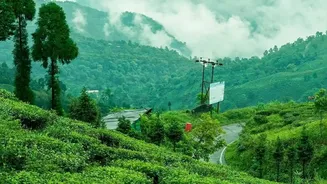
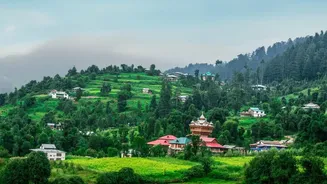
For years, the conventional wisdom was to avoid Northeast India during the monsoon, from roughly June to September. But a growing number of travellers are discovering that this is when the region is at its most spectacular. The rain transforms the landscape
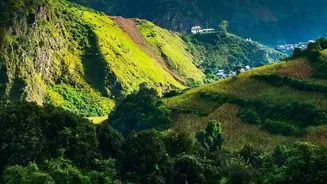
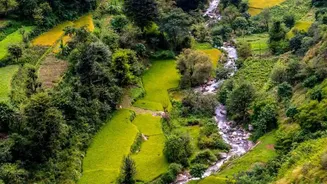
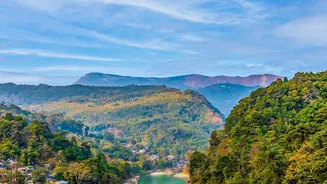
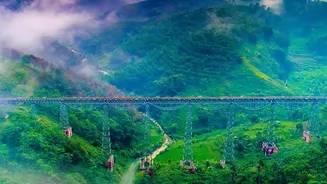
into a paradise of unparalleled greenery. Waterfalls like Nohkalikai and the Seven Sisters in Meghalaya, which are modest trickles in the dry season, become roaring spectacles of nature's power. The air is crisp and clean, the valleys are shrouded in a romantic mist, and the tourist crowds of peak season are nowhere to be found. This creates a more peaceful and intimate atmosphere, allowing for a slower, more deliberate pace of travel. Beyond the aesthetics, temperatures are often pleasant and cool, offering a welcome respite from the heat and humidity plaguing other parts of the country.
The Rise of Conscious Travel
The trend isn't just about chasing waterfalls; it's rooted in a shift towards more responsible and sustainable tourism. Eco-conscious travellers are looking for experiences that go beyond sightseeing to actively support local communities and minimise their environmental impact. Northeast India, with its strong emphasis on community-based tourism, is perfectly positioned to meet this demand. Instead of large, impersonal hotels, the focus is on homestays run by local families. This model ensures that tourist spending directly benefits the local economy, creates employment, and helps preserve indigenous cultures and traditions. States like Meghalaya are actively promoting this model, providing financial assistance to families to set up or upgrade homestays, placing local communities at the heart of their tourism strategy.
Meghalaya: In the Abode of Clouds
Meghalaya, which translates to "Abode of Clouds," is the epicentre of this monsoon travel movement. It's home to Cherrapunji and Mawsynram, two of the wettest places on Earth, where the rain is not a hindrance but the main attraction. Here, travellers can witness the ingenious living root bridges, a remarkable example of sustainable bio-engineering by the local Khasi tribes. These bridges, especially the famous Double Decker bridge in Nongriat, become even more magical when surrounded by the lush, rain-fed forest. Another highlight is Mawlynnong, known as one of Asia's cleanest villages. The village is a testament to community-led conservation efforts and offers a powerful lesson in sustainable living.
Sikkim: A Pioneer in Green Policy
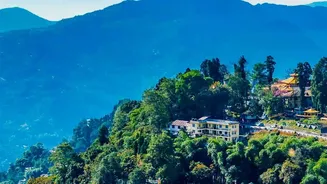
Sikkim has long been a leader in environmental policy in India, being one of the first states to ban plastic bags and become fully organic. This deep-rooted respect for nature is reflected in its tourism offerings. During the monsoon, the state's hills and valleys are exceptionally green. While heavy rains can make some high-altitude treks challenging, the lower-elevation trails, monastery circuits, and village walks are perfect. Eco-friendly homestays, often situated on organic farms, offer guests a chance to experience authentic Sikkimese hospitality, enjoy farm-to-table meals, and learn about the local way of life. Places like Ravangla and Pelling offer serene retreats with stunning views of the mist-covered Himalayas.
The Authentic Homestay Experience
The backbone of this eco-conscious travel movement is the homestay. Staying with a local family provides an unparalleled cultural immersion that you simply cannot get from a hotel. Guests can share home-cooked meals featuring regional delicacies, listen to family stories, and gain a genuine understanding of the local culture, be it of the Khasi in Meghalaya, the Apatani in Ziro Valley, or the Angami in Nagaland. These homestays are often built using traditional methods and materials, further reducing their environmental footprint. By choosing a homestay, travellers contribute directly to the family's livelihood and empower communities to preserve their heritage while welcoming visitors.