



1. Interlaken: The Great Transit Funnel
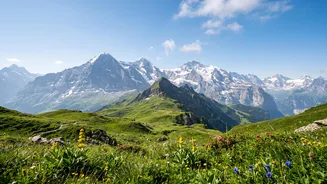
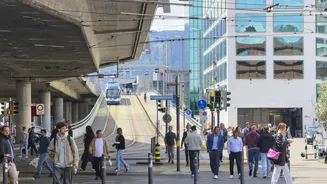
Interlaken’s primary role is not so much a destination as it is a gateway. Nestled between Lake Thun and Lake Brienz, its real function is to serve as the main transit hub for the entire Jungfrau region. The town’s two train stations, Interlaken Ost and West,
are relentless funnels, channeling thousands of daily visitors towards mountain excursions like the famous Jungfraujoch. This constant flow defines the town's character. The main promenade, Höheweg, is lined with souvenir shops and international restaurants, but its primary energy comes from the river of tourists moving from train to bus to hotel. The streets are often congested with tour buses, and the train platforms can be a chaotic scene of luggage and tour groups. While the views of the surrounding mountains are spectacular, the experience on the ground is one of perpetual motion and commercial buzz, a necessary but often overwhelming stop on the way to the 'real' Alps.
2. Zermatt: The Matterhorn’s Popular Shadow
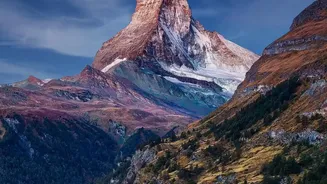
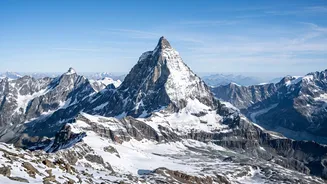
Zermatt is famous for two things: the magnificent Matterhorn and being car-free. The latter is a charming idea, but the reality is a village bustling with electric taxis and service vehicles zipping through streets packed with visitors. The town of 6,000 residents can swell to over 35,000 people on peak days, straining local infrastructure. The main draw, of course, is the iconic peak, but getting a clear view or the perfect photo often involves joining a crowd. The queues for the Gornergrat railway and the Matterhorn Glacier Paradise cable car are notoriously long, especially during peak summer and ski seasons. While Zermatt offers some of the most dramatic scenery in the world, visitors should be prepared for an experience that is more bustling resort than quiet mountain retreat.
3. Lucerne: A Medieval Bridge, Modern Crowds
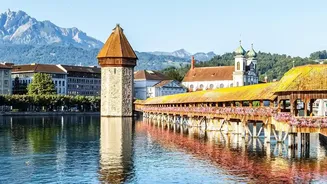
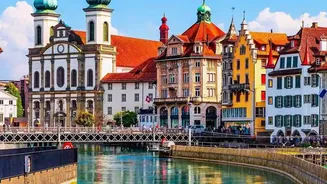
Lucerne’s beauty is undeniable, centered around its pristine lake and the iconic Chapel Bridge (Kapellbrücke). This 14th-century wooden footbridge is the city’s heart, but it is also a significant bottleneck. On a typical summer day, thousands of people cross the bridge, making a leisurely stroll nearly impossible amidst the dense flow of tour groups and selfie-takers. The crowds, often arriving from river cruises and tour buses, concentrate heavily in the Old Town around the bridge and the nearby Lion Monument. Local authorities have even considered measures to cap visitor numbers from tour buses. To truly appreciate Lucerne's charm, an early morning or late evening visit to its key sights is essential, before the daily deluge of day-trippers begins.
4. Grindelwald: The Instagram Hotspot
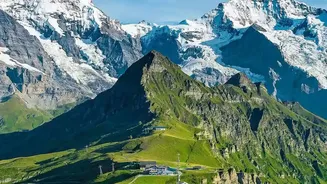
Grindelwald, and specifically the Grindelwald-First mountain station, is a prime example of social media-driven tourism. The main attraction, the First Cliff Walk, is a metal walkway bolted to the side of a cliff, offering dramatic views of the Eiger. It is also famously clogged with visitors waiting in line for the perfect photo. The popularity of this and other 'adventure' activities means that during peak times (typically 10 am to 2 pm in July and August), queues for the gondola from the village can be one to two hours long. The village itself, a key access point for hiking and skiing, feels the pressure. While Grindelwald provides access to incredible scenery, including the serene Bachalpsee lake, the most popular attractions require strategic timing or a healthy dose of patience.
5. Jungfraujoch: Top of Europe, Peak Crowds
Marketed as the 'Top of Europe', the Jungfraujoch railway station is the highest in Europe and a bucket-list item for many visitors to Switzerland. The journey via cogwheel train is an engineering marvel, but the destination itself can feel less like a mountain peak and more like a high-altitude shopping mall and observation complex. The train is often sold out, and the station at 3,454 meters is packed with hundreds of people navigating through tunnels, ice palaces, and souvenir shops. The experience is highly commercialized and extremely popular, especially with large tour groups. While the view of the Aletsch Glacier on a clear day is breathtaking, the overall experience is one of managed, high-volume tourism where finding a quiet moment to yourself can be the biggest challenge.